ISI may strike India on Independence Day, security on high alert
Synopsis
With Independence Day hours away, Indian security agencies are responding to specific intelligence that the ISI plans to exploit the celebrations — targeting not just J&K and Delhi but also smaller two-tier cities where security is thinner. The BSF has launched Operation Alert and the Centre is rapidly expanding its intelligence footprint on the Bangladesh border with 40 new SIB units.
Key Takeaways
Intelligence inputs warn that Pakistan's ISI may attempt a major strike on or before 15 August , targeting India's Independence Day celebrations.
The BSF launched Operation Alert on 10 August , running through 17 August , covering the western border with Pakistan .
The ISI is reportedly eyeing two-tier cities with lower security density, alongside traditional targets in Delhi and Jammu and Kashmir .
The Centre is setting up nearly 40 Subsidiary Intelligence Bureau (SIB) units in West Bengal's bordering districts to secure the Bangladesh border .
Officials warn the ISI may also plant false alarms in Delhi and Kashmir to divert agency attention from the actual target location.
Internal unrest in PoK and Balochistan is reportedly driving the ISI to seek a high-profile diversion through a strike on India.
Indian security agencies are on high alert ahead of Independence Day on 15 August, following credible intelligence inputs warning that elements backed by Pakistan's Inter-Services Intelligence (ISI) could attempt a major strike — either along border areas or inside the country. The threat assessment, shared by officials in New Delhi, points to a deliberate ISI strategy timed to exploit security focus on the national celebrations.
The Intelligence Warning
An Intelligence Bureau official said the ISI believes that security agencies — particularly in Delhi and Jammu and Kashmir — will be heavily occupied with Independence Day arrangements, creating a window for action.
'The ISI is trying to exploit this and will attempt something major either on Independence Day or ahead of it,' the official warned.
According to officials, the ISI is also under domestic pressure, with unrest in Pakistan-occupied Kashmir (PoK) and Balochistan putting the Pakistani establishment on the back foot. A high-profile strike on India's Independence Day, officials say, would serve as a significant diversion.
Infiltration and Two-Tier City Threats
Intelligence inputs indicate that the ISI's first line of action would be to push terrorists across the Jammu and Kashmir border. Infiltration attempts through the Bangladesh border are also being anticipated.
Notably, officials flagged that the ISI is reportedly targeting two-tier cities — locations where security infrastructure is generally thinner than in metros and major urban centres. This represents a tactical shift from the agency's traditional focus areas.
Officials also cautioned that the ISI may deliberately plant false alarms in Delhi or Kashmir to divert agency attention while planning an actual strike elsewhere. 'Many such intelligence inputs are generally not actionable in nature. This is a deliberate strategy to divert attention,' an official said.
BSF Launches Operation Alert
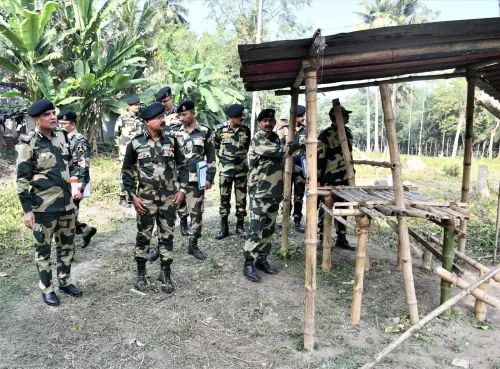
At the western border with Pakistan, the Border Security Force (BSF) has launched Operation Alert, which began on 10 August and runs through 17 August. All senior BSF officers are participating in the exercise, which follows specific information about a possible ISI misadventure.
'There is also credible information about possible infiltration and smuggling attempts. Surveillance and patrolling have been increased significantly in these areas,' an official said. A large force has been deployed to monitor every activity along the border during this period.
40 New Intelligence Units on Bangladesh Border
On the eastern front, the Centre has decided to establish nearly 40 Subsidiary Intelligence Bureau (SIB) units across bordering districts in West Bengal to bolster surveillance along the Bangladesh border.
Officials described this as one of the largest expansions of the Intelligence Bureau's field structure. The move is aimed at establishing a permanent operational presence in an area where smuggling, infiltration, and extremist activity are regularly reported.
'Securing the border requires constant surveillance and continuous intelligence gathering. Given the persistent nature of these attempts, it is crucial to have real-time intelligence to detect and thwart any nefarious activity,' the official said.
Security Focus: Punjab, J&K, and Delhi
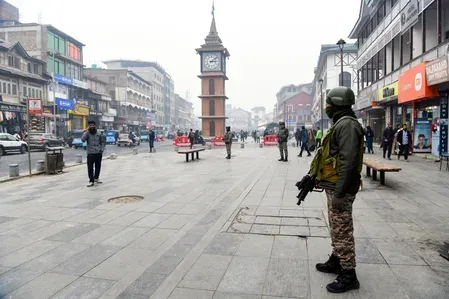
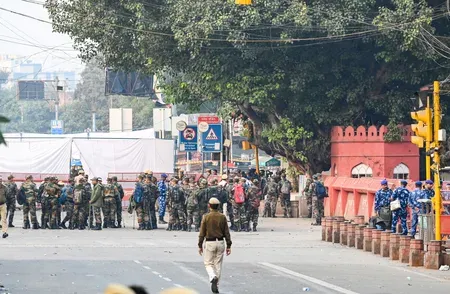
Security agencies are currently maintaining heightened vigilance across Punjab, Jammu and Kashmir, and Delhi — areas that have historically been primary targets of the ISI. Officials acknowledged that while an attack in any of these locations would carry symbolic weight, the tight security arrangements in place make execution significantly more difficult for the agency.
With Independence Day days away, the security establishment faces the dual challenge of managing a high-profile national event while neutralising a multi-pronged threat that spans both western and eastern borders.
Point of View
New SIB units — represent a durable upgrade or a temporary surge that recedes after August 17.
NationPress
25 Sept 2026
Frequently Asked Questions
What is the ISI threat to India ahead of Independence Day 2025?
Intelligence inputs warn that elements backed by Pakistan's ISI may attempt a major strike on or before 15 August, targeting India's Independence Day. The threat includes possible terrorist infiltration through the Jammu and Kashmir border, attacks through the Bangladesh border, and strikes in two-tier cities with lower security presence.
What is BSF's Operation Alert?
Operation Alert is a heightened security exercise launched by the Border Security Force on 10 August, running until 17 August, along India's western border with Pakistan. All senior BSF officers are participating, with significantly increased surveillance and patrolling in response to credible information about a possible ISI misadventure.
Why is the ISI reportedly targeting India around Independence Day?
According to officials, the ISI believes Indian security agencies will be preoccupied with Independence Day arrangements, creating an exploitable window. Officials also say the Pakistani establishment is under pressure due to unrest in PoK and Balochistan, and a strike on India's national day would serve as a major domestic diversion.
What steps are being taken to secure the Bangladesh border?
The Centre has decided to establish nearly 40 Subsidiary Intelligence Bureau (SIB) units across bordering districts in West Bengal. Officials describe this as one of the largest-ever expansions of the Intelligence Bureau's field structure, aimed at creating a permanent intelligence presence along a border where infiltration and smuggling are regularly reported.
Which areas in India are on the highest alert?
Security agencies are maintaining heightened vigilance in Punjab, Jammu and Kashmir, and Delhi — historically the ISI's primary targets. However, officials have specifically flagged two-tier cities as a new area of concern, warning that the ISI may shift focus to locations with thinner security cover.