Amarnath Yatra 2025 on ISI radar amid PoK crisis, intel agencies on high alert
Synopsis
Indian intelligence agencies have warned that the ISI is eyeing the Amarnath Yatra — beginning 3 July — as a high-value target to divert Pakistani public attention from a simultaneous crisis in PoK, KP, and Balochistan. Intercepts suggest the ISI is racing to activate dormant terror modules in J&K and Punjab, with security forces responding with AI-enabled surveillance and reinforced anti-terror networks.
Key Takeaways
Indian intelligence agencies warned on 30 June that the ISI is planning an attack during the Amarnath Yatra , set to begin on 3 July .
The alleged motive: divert Pakistani public attention from simultaneous crises in PoK , Khyber Pakhtunkhwa , and Balochistan .
Intelligence intercepts indicate the ISI is trying to contact terrorists hiding in forest areas of Jammu and Kashmir to orchestrate an attack on the scale of the Pahalgam attack .
The ISI is also reportedly attempting to revive dormant modules in Punjab , though J&K remains the primary target.
Security forces have deployed AI-enabled cameras and digital scanning systems along the Yatra route with reinforced anti-terror networks.
An anti-terror operation in Rajouri district has entered its 39th day , with combing operations ongoing in Dorimal forests.
Indian intelligence agencies have issued a sharp warning that Pakistan's Inter-Services Intelligence (ISI) is actively plotting an attack during the Amarnath Yatra, scheduled to commence on 3 July, as Islamabad seeks to divert domestic attention from a deepening crisis across Khyber Pakhtunkhwa (KP), Balochistan, and Pakistan-occupied Kashmir (PoK). The alert, issued on 30 June, follows intercepts picked up by Indian agencies indicating that the ISI is trying to activate sleeper modules inside Jammu and Kashmir and Punjab.
Why Pakistan Needs a Diversion
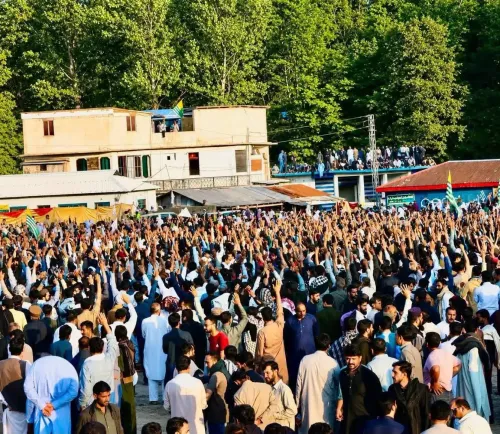
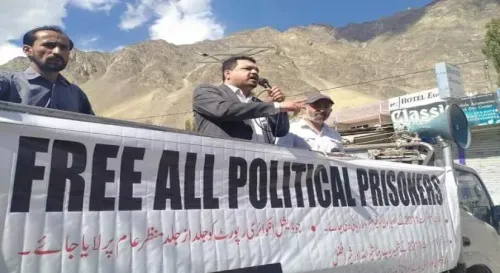
All three restive regions — KP, Balochistan, and PoK — are in turmoil, and developments in Pakistan-occupied Kashmir have proved particularly damaging for the Pakistan establishment. Protesters in PoK have sustained their agitation despite attempts by Pakistani security forces to suppress dissent, and their calls for international attention have amplified the embarrassment for Islamabad.
Within Pakistan itself, according to officials, a growing number of citizens are questioning how the establishment is treating the people of PoK. The problem, officials note, is that the crisis is no longer localised — it has reached the international community's radar.
Pakistan's desperation, officials say, was already visible when it carried out strikes inside Afghanistan that reportedly claimed 35 lives — a move Indian intelligence views as a diversionary tactic rather than a counter-terror operation.
ISI's Alleged Plan: Target the Yatra
According to an Intelligence Bureau official, the ISI is planning major operations in Jammu and Kashmir, with a large-scale strike on Indian soil seen internally as an effective tool to shift public focus away from the PoK unrest. Intelligence intercepts suggest the agency is desperately trying to re-establish contact with a handful of terrorists believed to be hiding in forest areas of Jammu and Kashmir.
Security officials say Pakistan is attempting to direct these operatives to carry out an attack on the scale of the Pahalgam attack. The ISI has also been working to revive dormant modules in Punjab, though officials indicate that a strike in Jammu and Kashmir remains the preferred target — a high-visibility attack there would, in the ISI's calculation, automatically redirect Pakistani public attention from PoK.
Security Measures for the Yatra
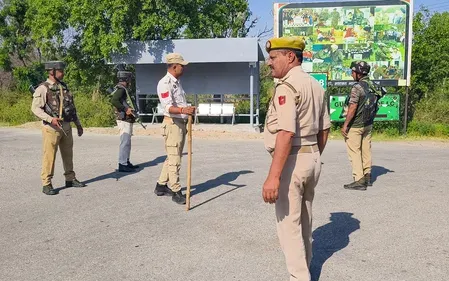
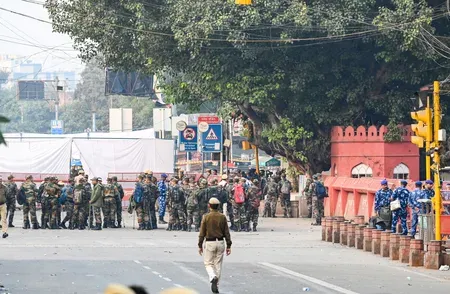
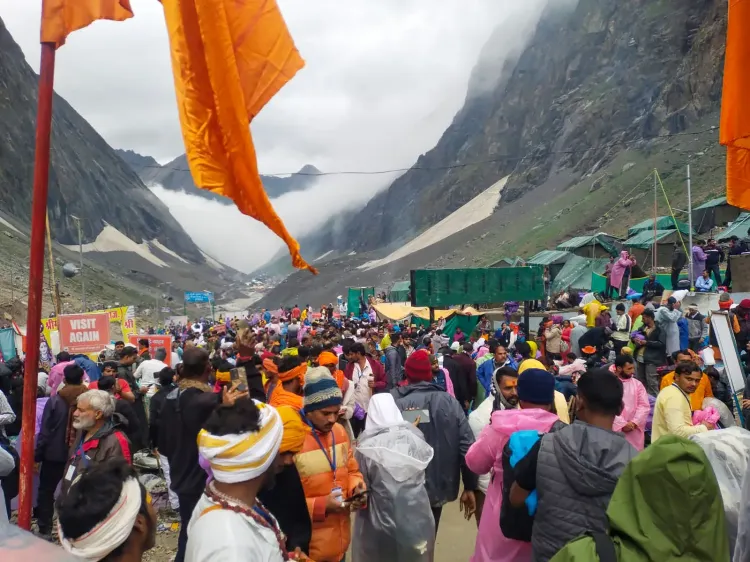
Indian security agencies have responded with what officials describe as unprecedented preparedness along the Amarnath Yatra route. Police have reinforced anti-terror networks, and agencies have deployed AI-enabled cameras and digital scanning systems to monitor the pilgrimage corridor. Officials say no stone is being left unturned to ensure the safety of pilgrims.
Notably, Operation Sindoor is said to have exposed weaknesses in the Pakistan military, and the simultaneous crises in KP, Balochistan, and PoK have further eroded the establishment's credibility — factors that, according to officials, are driving the ISI's urgency.
Ongoing Anti-Terror Operation in Rajouri
The intelligence alert coincides with an active anti-terror operation in Jammu and Kashmir's Rajouri district, which has entered its 39th day. Indian security forces are continuing combing operations in the dense forest areas of Dorimal. The prolonged operation underlines the persistent threat environment in the region even before the Yatra begins.
With the pilgrimage set to draw large numbers of devotees and global attention, security planners are treating the ISI threat assessment as a high-priority operational concern in the days ahead.
Point of View
Not an anomaly — cross-border provocation has historically spiked when Islamabad faces internal legitimacy crises. What is different this time is the scale of simultaneous pressure points: PoK protesters reaching out to the international community, Balochistan's insurgency intensifying, and KP in turmoil. The intelligence warning is credible precisely because the political incentive for a diversion has never been higher. India's deployment of AI surveillance is a meaningful operational upgrade, but the deeper question is whether the 39-day Rajouri operation will neutralise the specific modules the ISI is reportedly trying to activate before 3 July.
NationPress
29 Sept 2026
Frequently Asked Questions
Why is the ISI allegedly targeting the Amarnath Yatra 2025?
According to Indian intelligence officials, the ISI is seeking to orchestrate an attack during the Amarnath Yatra — beginning 3 July — to divert Pakistani public attention from deepening crises in PoK, Khyber Pakhtunkhwa, and Balochistan. A high-profile strike on Indian soil is seen internally by the ISI as a tool to shift the domestic narrative away from unrest in Pakistan-occupied Kashmir.
What security measures are in place for Amarnath Yatra 2025?
Indian security agencies have deployed AI-enabled cameras and digital scanning systems along the Amarnath Yatra route, alongside reinforced anti-terror networks. Officials say the security arrangements are unprecedented in scale and are designed to counter any attempt by ISI-linked operatives to target pilgrims.
What is the current situation in Pakistan-occupied Kashmir (PoK)?
PoK is experiencing sustained protests, with demonstrators resisting crackdowns by Pakistani security forces and appealing to the international community for attention. According to Indian officials, the crisis has become an embarrassment for the Pakistan establishment, with citizens inside Pakistan also questioning the treatment of PoK residents.
What is the Rajouri anti-terror operation and how does it relate to this alert?
Indian security forces have been conducting an anti-terror operation in Jammu and Kashmir's Rajouri district for 39 days, with combing operations ongoing in the dense forests of Dorimal. The operation is directly relevant to the Amarnath Yatra threat, as intelligence agencies believe the ISI is trying to contact terrorists hiding in J&K forest areas to carry out an attack.
What is Operation Sindoor and why is it mentioned in this context?
Operation Sindoor is referenced by Indian officials as having exposed weaknesses in the Pakistan military. Combined with the crises in KP, Balochistan, and PoK, it has further eroded the establishment's credibility — a key factor, officials say, behind the ISI's urgency to engineer a diversion through a cross-border attack.