Delhi govt to set up medical college at GGSGH Raghubir Nagar with 150 MBBS seats
Synopsis
Delhi's plan to open a medical college at Guru Gobind Singh Government Hospital is more than a capacity add — it pairs 150 MBBS seats with a 1,322-bed complex in a part of the city that serves 10 lakh residents but has long been underserved by specialist care. Whether NMC approvals and execution timelines match the ambition will determine if this becomes a model for urban public health reform.
Key Takeaways
The Delhi government plans to establish a medical college at Guru Gobind Singh Government Hospital (GGSGH) , Raghubir Nagar, with 150 MBBS and 40 postgraduate seats .
The college will be part of a 1,322-bed healthcare complex spanning 13 acres , in accordance with National Medical Commission guidelines.
Associated infrastructure includes a 472-bed Maternal and Child Hospital and an 850-bed General Hospital on 8 acres .
GGSGH currently serves nearly 10 lakh people in West Delhi.
The Drugs Control Department conducted 569 inspections last quarter, finding 26 spurious or counterfeit samples and seizing illegal medicines worth ₹13.29 lakh in Daryaganj.
The Delhi government has announced plans to establish a medical college at Guru Gobind Singh Government Hospital (GGSGH), Raghubir Nagar, with 150 MBBS seats and 40 postgraduate seats, according to an official statement released on Monday, 9 November 2026. The proposed institution will be integrated with a 1,322-bed healthcare complex, positioning it as a major centre for medical education and advanced treatment in West Delhi.
Key Details of the Proposed Complex
The medical college will come up within the existing GGSGH premises, spread across 13 acres, in line with National Medical Commission (NMC) guidelines. The associated healthcare infrastructure will include a 472-bed Maternal and Child Hospital and an 850-bed General Hospital, the latter being developed on a separate 8-acre plot at Raghubir Nagar. Together, these facilities are designed to deliver specialised treatment, emergency care, and critical services under one integrated ecosystem.
Who Will Benefit
Guru Gobind Singh Government Hospital currently serves a catchment population of nearly 10 lakh people, primarily in West Delhi. The expansion is expected to significantly improve access to specialised care, maternal health services, and emergency treatment for residents who have historically faced infrastructure constraints at this facility. Notably, the addition of postgraduate seats also addresses a wider gap in specialist training capacity within Delhi's public health system.
What the Government Said
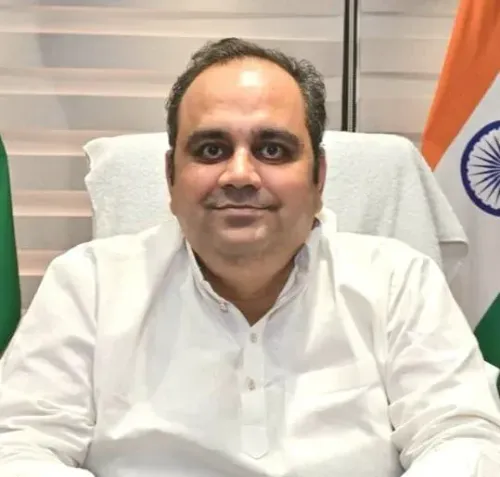
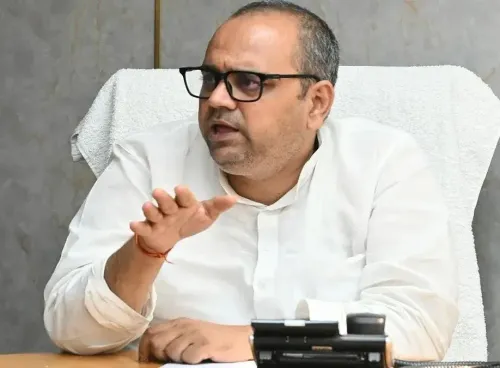
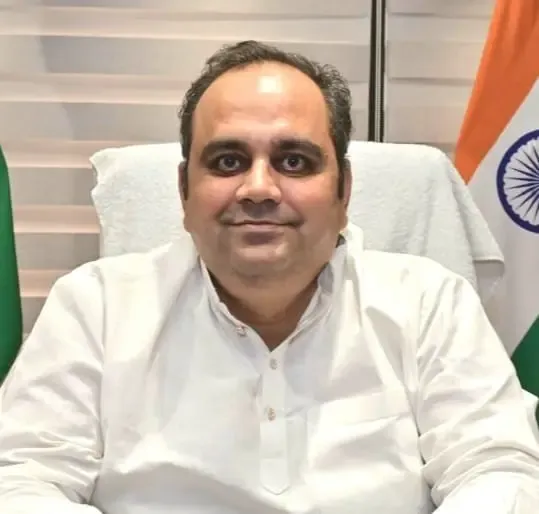
Health Minister Pankaj Kumar Singh said the project reflects the government's commitment to combining quality medical education with accessible treatment. 'Under the leadership of Chief Minister Rekha Gupta, the Delhi government is committed to building a robust healthcare ecosystem that combines quality medical education with accessible and advanced treatment facilities,' Singh said. He added that the college and hospital expansion together signal 'our seriousness towards meeting people's healthcare needs and creating long-term capacity for the future.'
Crackdown on Spurious Medicines
Separately, Health Minister Singh also highlighted ongoing enforcement action against substandard and counterfeit drugs across Delhi. The Drugs Control Department conducted 569 inspections in the previous quarter, recording 272 contraventions — including 86 related to habit-forming and psychotropic substances. Of 43 specimen samples collected, 26 were declared spurious or counterfeit.
In a recent coordinated operation, the Drugs Control Department, working alongside the Cyber Cell and Crime Branch of Delhi Police, seized suspected illegal medicines worth ₹13.29 lakh in Daryaganj. The government said it is strengthening regulatory oversight and taking action under the Drugs and Cosmetics Act, 1940 to safeguard public health.
What Comes Next
The government has not announced a specific construction timeline or financial outlay for the medical college project, and formal approvals from the National Medical Commission will be required before seats can be operationalised. With Delhi's public health infrastructure under sustained pressure, the pace of execution will be closely watched by residents and healthcare professionals alike.
Point of View
322-bed integrated campus with undergraduate and postgraduate medical training is exactly what West Delhi's overstretched public health infrastructure needs. But the absence of a disclosed financial outlay, construction schedule, or NMC approval status leaves the plan at the stage of intent rather than execution. Delhi has a history of ambitious health announcements that encounter long land, regulatory, and procurement delays. The parallel spotlight on spurious drug enforcement, while genuinely newsworthy, risks diluting the headline message; folding two distinct policy actions into a single press event can obscure accountability on both fronts.
NationPress
9 Nov 2026
Frequently Asked Questions
What is the Delhi government's plan for a medical college at Raghubir Nagar?
The Delhi government plans to establish a medical college at Guru Gobind Singh Government Hospital (GGSGH), Raghubir Nagar, offering 150 MBBS and 40 postgraduate seats. It will be integrated with a 1,322-bed healthcare complex across 13 acres, developed in accordance with National Medical Commission guidelines.
Which hospitals will be part of the new healthcare complex at GGSGH?
The complex will include a 472-bed Maternal and Child Hospital and an 850-bed General Hospital being developed on 8 acres at Raghubir Nagar. Together with the medical college, they will form an integrated centre for specialised treatment, emergency care, and medical education.
How many people does Guru Gobind Singh Government Hospital currently serve?
GGSGH currently caters to a population of nearly 10 lakh people, primarily in West Delhi. The expansion is intended to significantly improve access to specialised and emergency medical services for this population.
What action has Delhi taken against spurious medicines?
The Delhi Drugs Control Department conducted 569 inspections last quarter, recorded 272 contraventions, and found 26 out of 43 specimen samples to be spurious or counterfeit. In a coordinated raid with Delhi Police's Cyber Cell and Crime Branch, suspected illegal medicines worth ₹13.29 lakh were seized in Daryaganj.
When will the new medical college become operational?
No specific construction timeline or financial outlay has been publicly announced. Formal approval from the National Medical Commission will be required before the college can admit students, and that process has not yet been confirmed as initiated.