Delhi to expand medical UG, PG seats in phased push: Health Minister
Synopsis
Delhi's government is not just adding medical seats — it is restructuring how the capital trains its doctors. With 300 new MBBS seats, 103 additional PG and DNB posts, and 5 fellowship seats spread across multiple hospitals, the phased expansion under Chief Minister Rekha Gupta is the most detailed institutional medical education push the city has seen in years.
Key Takeaways
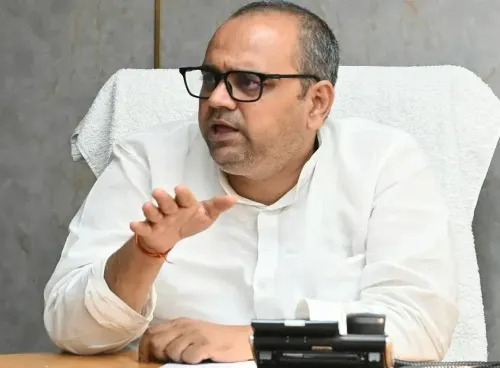
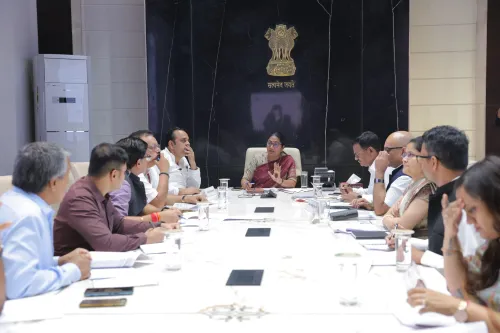
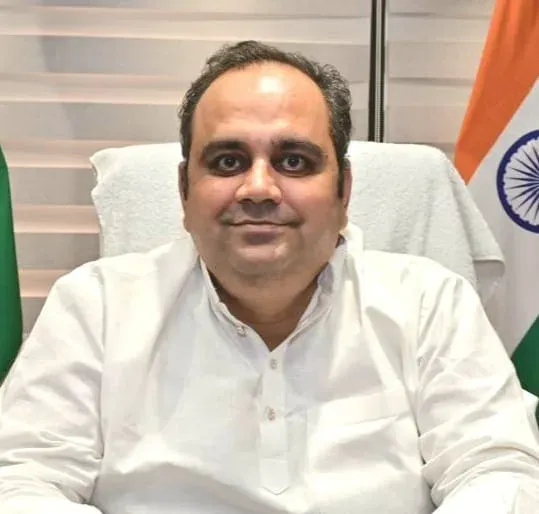
Delhi Health Minister Pankaj Kumar Singh announced a phased expansion of UG, PG, and Super-Specialty medical seats on 17 August .
Greenfield colleges at Indira Gandhi Hospital, Dwarka and Guru Gobind Singh Hospital will add 300 new MBBS seats .
Medical College MBBS capacity proposed to rise from 125 to 200 seats ; MAIDS BDS intake from 50 to 70 .
A total of 103 additional PG and DNB seats proposed across Delhi government institutions, comprising 67 MD/MS and 36 DNB seats.
Including 5 fellowship seats , the total new advanced medical seats proposed stands at 108 .
The expansion is framed as a commitment under Chief Minister Rekha Gupta to build a trained healthcare workforce for Delhi's public hospitals.
The Delhi government has announced a phased expansion of medical education capacity across the National Capital, covering Undergraduate (UG), Postgraduate (PG), and Super-Specialty (SS) seats, Health Minister Pankaj Kumar Singh said on Monday, 17 August. The plan follows a three-pronged approach — greenfield projects, brownfield expansion of existing institutions, and growth in advanced medical programmes.
Greenfield and Brownfield Expansion
Under the greenfield approach, 150 MBBS seats each are proposed at two under-construction medical colleges attached to Indira Gandhi Hospital (IGH), Dwarka, and Guru Gobind Singh Hospital, adding 300 new UG seats in total. On the brownfield side, the MBBS intake at Dr B.S.A. Medical College and Hospital is proposed to rise from 125 to 200 seats, while the Maulana Azad Institute of Dental Sciences (MAIDS) would see its BDS intake climb from 50 to 70 seats.
Postgraduate and Advanced Seats
At the PG level, Maulana Azad Medical College (MAMC) is proposed to increase its seats from 260 to 295, an addition of 35 seats. MAIDS would double its PG intake from 22 to 42 seats, and BSA Medical College would add 24 new PG seats. Across Delhi's government medical institutions, the roadmap proposes 103 additional PG and DNB seats, comprising 67 MD/MS seats and 36 DNB seats.
The institutional breakup includes 24 MD/MS seats at Dr B.S.A. Medical College, 35 MD/MS seats at MAMC, 18 DNB seats at IGMC, 8 DNB seats at Deep Chand Bandhu Hospital, 2 DNB seats at GTB Hospital, 4 MD/MS seats at UCMS & GTB Hospital, 2 DNB seats at Guru Gobind Singh Government Hospital, 4 DNB seats at Sanjay Gandhi Memorial Hospital, 2 DNB seats at Bhagwan Mahavir Hospital, and 4 MD seats at Delhi State Cancer Institute. An additional 5 fellowship seats — three at GTB Hospital and two at Delhi State Cancer Institute — bring the total proposed addition in advanced medical seats to 108.
What the Government Said
'Expanding medical education is not merely about increasing the number of seats. It is about creating a sustainable pool of trained doctors, specialists and super-specialists who can serve Delhi's citizens,' Health Minister Pankaj Kumar Singh said. He added that the expansion would ensure that 'infrastructure, faculty and patient-care requirements grow alongside' the increase in seats.
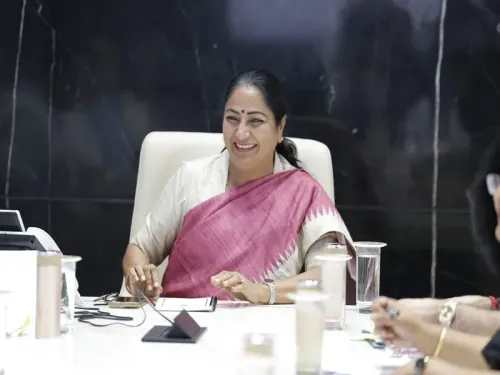
Singh attributed the initiative to the Delhi Government's commitment under the leadership of Chief Minister Rekha Gupta to build a healthcare system backed by adequately trained human resources.
Why It Matters
The expansion directly targets the shortage of qualified medical and dental professionals in Delhi's government hospitals — a persistent gap that has strained public health infrastructure in one of India's most populous cities. Notably, the plan ties seat additions to parallel growth in infrastructure and faculty, signalling an intent to avoid the quality dilution that has historically accompanied rapid seat expansion elsewhere. With 108 new advanced medical seats proposed across multiple institutions, the move could meaningfully strengthen specialist availability in the public health system over the coming years.
Point of View
However, is faculty: India's medical regulator has repeatedly flagged ghost faculty and infrastructure shortfalls at colleges that expanded seats on paper. If the Delhi government can demonstrate that faculty recruitment and infrastructure timelines are locked in alongside seat approvals, this plan has genuine transformative potential. If not, it risks repeating the national pattern of seats without substance.
NationPress
2 Oct 2026
Frequently Asked Questions
How many new medical seats is the Delhi government proposing to add?
The Delhi government is proposing to add 300 new MBBS seats through greenfield colleges, along with 103 additional PG and DNB seats and 5 fellowship seats across government institutions, bringing the total new advanced medical seats to 108. Combined with undergraduate additions, the expansion covers UG, PG, and super-specialty levels.
Which hospitals and colleges are part of the expansion plan?
The plan covers Indira Gandhi Hospital (Dwarka), Guru Gobind Singh Hospital, Dr B.S.A. Medical College, Maulana Azad Medical College (MAMC), Maulana Azad Institute of Dental Sciences (MAIDS), IGMC, GTB Hospital, Deep Chand Bandhu Hospital, UCMS, Sanjay Gandhi Memorial Hospital, Bhagwan Mahavir Hospital, and Delhi State Cancer Institute.
What is the difference between the greenfield and brownfield approach mentioned?
The greenfield approach involves setting up new medical colleges at under-construction hospitals, adding 150 MBBS seats each at Indira Gandhi Hospital and Guru Gobind Singh Hospital. The brownfield approach expands existing institutions — for instance, raising MBBS seats at Dr B.S.A. Medical College from 125 to 200.
Why is Delhi expanding medical education capacity?
The expansion aims to address a shortage of qualified medical and dental professionals in Delhi's government hospitals and strengthen the city's public health infrastructure. Health Minister Pankaj Kumar Singh said the goal is to create a 'sustainable pool of trained doctors, specialists and super-specialists' to serve Delhi's citizens.
Who is overseeing this medical education expansion in Delhi?
Health Minister Pankaj Kumar Singh announced the plan, attributing it to the Delhi Government's commitment under Chief Minister Rekha Gupta. The expansion follows a three-pronged approach covering greenfield projects, brownfield upgrades, and growth in postgraduate and advanced medical programmes.