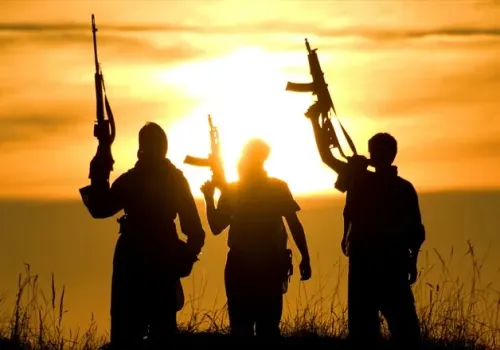
Are Foreign Women the Key in ISI’s Suicide Bomber Strategy?
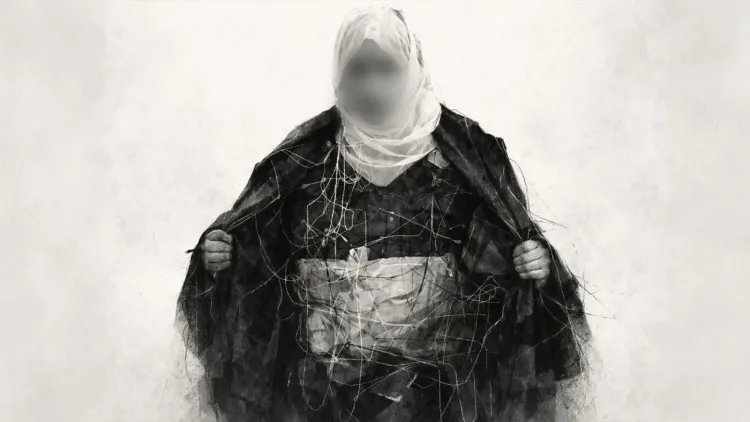
Synopsis
The ISI's strategy to employ foreign women as suicide bombers raises alarming concerns. With a focus on deniability and ideological commitment, this approach may reshape the landscape of terrorism in India. Read on to uncover the details of this evolving threat.
Key Takeaways
The ISI is focusing on recruiting foreign women as suicide bombers.
Pakistani women are primarily involved in training and radicalization.
The aim is to maintain plausible deniability for Pakistan.
Targets include soft locations in India.
Women are considered more ideologically committed and harder to detect.
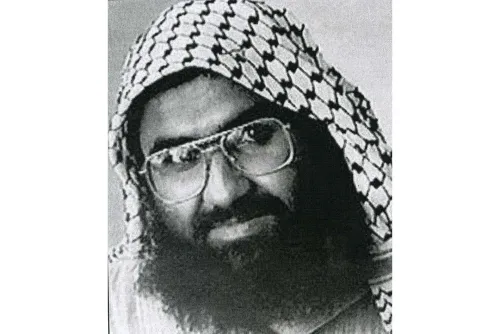
New Delhi, Feb 7 (NationPress) In January this year, the ISI disseminated an audio recording featuring Jaish-e-Mohammad (JeM) leader Masood Azhar, who allegedly threatened to deploy thousands of suicide bombers against India. While the authenticity of the voice remains unconfirmed, it is widely acknowledged that the JeM is actively assembling a cadre of suicide bombers. Intelligence reports indicate that this unit will predominantly consist of women.
Remarkably, the JeM has yet to enlist any female bombers of Pakistani descent. Although the unit is managed by Pakistani women, the recruits are exclusively from foreign nations, according to an official source. It has been noted that the terror group is recruiting significant numbers of women from Uzbekistan, Indonesia, and the Philippines.
This strategy serves a dual purpose. Firstly, women from these countries are perceived as more ideologically driven compared to their Pakistani counterparts. Secondly, this approach aligns with Pakistan's desire for plausible deniability regarding its support for terrorism. While reluctant to abandon its terror-first stance, Pakistan is also mindful of potential repercussions from international bodies like the International Monetary Fund (IMF) and the Financial Action Task Force (FATF). Utilizing foreign recruits allows for a level of deniability for Pakistani authorities.
Another official remarked that Pakistan has long employed the deniability strategy, albeit with limited success.
During their training, these women are instructed to target soft locations, including movie theaters and hotels across India. An Intelligence Bureau official stated that once their training concludes and a target is identified, a reconnaissance mission will be conducted, after which they will be briefed. These women are then expected to return to their home nations, awaiting orders to infiltrate India and execute their attacks when directed.
The Pakistani women involved in this initiative are primarily tasked with radicalization and training, with no current plans for them to engage directly in operational activities, as per ISI directives.
In addition to the JeM, the ISI is fostering a female network within the Lashkar-e-Tayiba (LeT), which is presently in recruitment mode. The LeT has numerous women in leadership roles actively engaging in the recruitment of female members. However, their focus appears to be more concentrated on Jammu and Kashmir, while the JeM aims for broader operations across India.
The push for a women’s faction has long been a priority for Pakistan, which views women as more ideologically committed and less likely to retract from their cause. Analysts suggest that women involved in terror organizations tend to evade scrutiny more effectively than their male counterparts.
In the Faridabad module, a woman named Dr. Shaheen Shahid played a pivotal role, making multiple trips between Faridabad and Jammu and Kashmir as the primary recruiter. Her profession as a doctor aided her in avoiding detection, and her gender also contributed significantly to her ability to operate under the radar.
Officials predict that the ISI's future operational tactics will increasingly revolve around the recruitment of women and white-collar terrorists.
Point of View
I recognize the gravity of the ISI's evolving tactics and the implications for national security. This strategic shift not only poses a threat to India but also raises critical questions about the international community's response to state-sponsored terrorism. Our commitment is to provide accurate reporting and analysis as we navigate these complex issues.
NationPress
23 Sept 2026
Frequently Asked Questions
What is the ISI's strategy for suicide bombers?
The ISI has adopted a strategy of recruiting foreign women as suicide bombers to retain deniability while escalating terror operations in India.
Why are foreign women being recruited?
Foreign women are seen as ideologically committed and provide a level of deniability for Pakistan regarding its involvement in terrorism.
Which countries are the women being recruited from?
The women are primarily being recruited from Uzbekistan, Indonesia, and the Philippines.
What are the training goals for these recruits?
These recruits are being trained to target soft locations, such as movie theaters and hotels, in India.
How does this impact India's national security?
This strategy poses a significant threat to India's national security as it indicates a shift in terrorist recruitment methods and operational tactics.