ISRO hot test: Semi-cryogenic engine hits 175-tonne thrust milestone
Synopsis
ISRO has pushed its semi-cryogenic engine to 175 tonnes of thrust — 88 per cent of its 200-tonne rated capacity — in the eighth and most demanding hot test yet at Mahendragiri. With turbopumps hitting 500 bar and all parameters on target, the full-rated firing that unlocks the next-generation LVM3 is now within reach.
Key Takeaways
ISRO completed the eighth hot test of its semi-cryogenic engine PHTA at IPRC, Mahendragiri, Tamil Nadu .
The engine powerhead reached 175 tonnes of thrust — 88 per cent of its full rated capacity of 200 tonnes — for the first time.
Main turbopumps delivered outlet pressures of 400 bar and 500 bar , performing as designed.
Previous tests were conducted at 94 tonnes (47%) and 120 tonnes (60%) thrust levels.
The SE2000 engine will power the SC120 stage, replacing the L110 liquid core stage on LVM3 .
Success clears the path to a full 200-tonne rated thrust test and eventual integration with the upgraded LVM3.
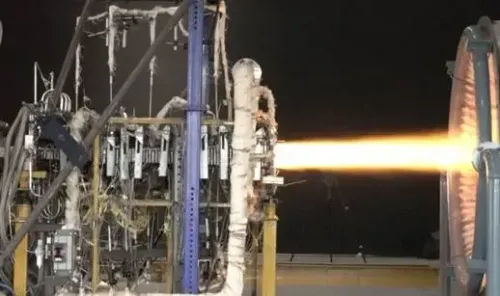
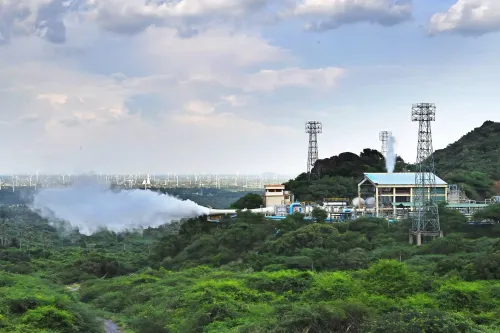
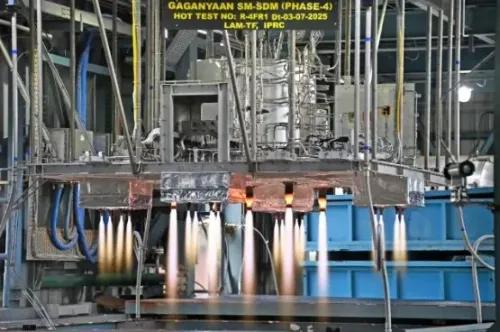
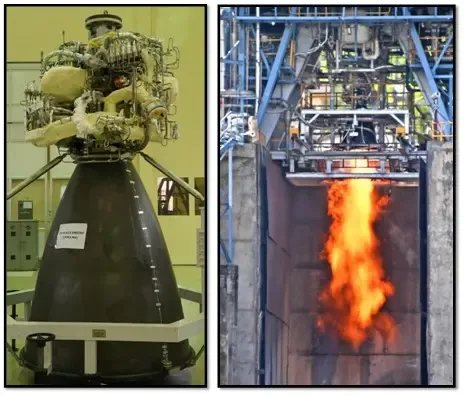
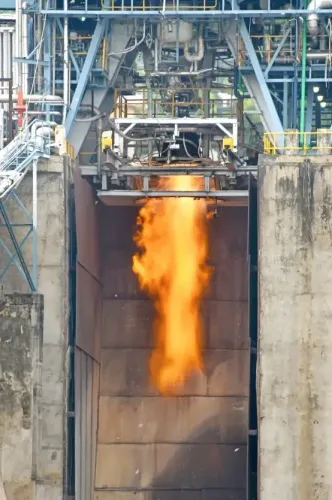
The Indian Space Research Organisation (ISRO) has successfully completed a landmark hot test of its semi-cryogenic engine power head test article (PHTA) at a thrust level of 175 tonnes, marking a critical advance in India's next-generation launch vehicle propulsion programme. The test was conducted at the ISRO Propulsion Complex (IPRC) in Mahendragiri, Tamil Nadu, and represents the eighth in a series of hot tests using the Power Head Test Article.
What the Test Demonstrated
For the first time, the engine powerhead was operated at 175 tonnes of thrust — equivalent to 88 per cent of its full rated capacity of 200 tonnes. The test was designed to study engine performance during the build-up phase following pre-burner ignition and to demonstrate stable steady-state operation at this significantly elevated thrust level.
According to ISRO, all engine parameters remained within the predicted range throughout the firing. The engine's main turbopumps performed as designed, delivering outlet pressures of 400 bar and 500 bar respectively — a key validation of the powerhead's structural and functional integrity under high-stress conditions.
Progression from Earlier Tests
The milestone builds on a methodical test campaign. Earlier successful trials had been conducted at 94 tonnes (47 per cent thrust) and 120 tonnes (60 per cent thrust). The steady escalation in thrust levels reflects ISRO's phased approach to qualifying the engine before committing to a full-rated firing at 200 tonnes. The space agency has indicated that this successful demonstration provides the confidence required to advance to that final threshold.
The Engine and Its Role
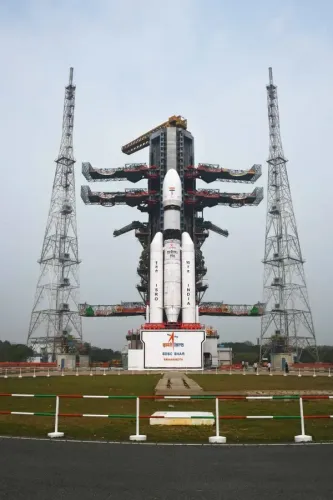
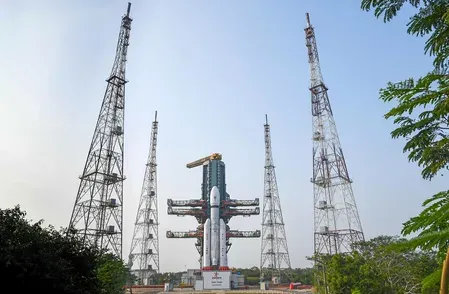
The semi-cryogenic engine at the centre of these tests is the SE2000, a 2,000-kilonewton-class powerplant that will drive the Semi-Cryogenic Propulsion Stage (SC120). This stage is being developed to replace the existing L110 liquid core stage aboard the Launch Vehicle Mark-3 (LVM3) — currently India's heaviest operational rocket.
Unlike conventional propulsion systems, the SE2000 runs on environmentally cleaner, non-toxic propellants: Liquid Oxygen (LOX) and purified kerosene commercially designated as Isrosene. The combination offers a performance and sustainability advantage over the hypergolic propellants used in the L110 stage it is set to replace.
Impact on LVM3 and Future Missions
ISRO has stated that integrating the new semi-cryogenic stage with an upgraded cryogenic upper stage will substantially enhance the LVM3's payload-carrying capacity and overall operational efficiency. The upgraded rocket is expected to support high-capacity commercial satellite launches, deep-space exploration missions, and India's expanding human spaceflight programme — including the Gaganyaan initiative.
This comes amid India's broader push to compete in the global commercial launch market, where payload capacity and propulsion reliability are decisive factors. The successful progression toward full-rated thrust testing keeps the semi-cryogenic programme on track for integration with the next evolution of the LVM3.
Point of View
And ISRO cleared it cleanly. What deserves attention is the turbopump performance at 500 bar: high-pressure turbomachinery is historically where indigenous propulsion programmes stumble, and holding those pressures within predicted range is a meaningful engineering achievement. The SC120 stage will define whether LVM3 can credibly compete for heavy GEO payloads against SpaceX and Arianespace. The propulsion numbers are moving in the right direction; the timeline to operational integration is the variable that still needs scrutiny.
NationPress
26 Sept 2026
Frequently Asked Questions
What is the ISRO semi-cryogenic engine hot test?
It is a ground-based firing test of the semi-cryogenic engine's Power Head Test Article (PHTA) at the ISRO Propulsion Complex in Mahendragiri, Tamil Nadu. The latest test, the eighth in the series, ran the engine at 175 tonnes of thrust — 88 per cent of its full 200-tonne rated capacity.
What makes the semi-cryogenic engine different from existing ISRO engines?
The SE2000 semi-cryogenic engine uses Liquid Oxygen (LOX) and purified kerosene (Isrosene) as propellants, which are non-toxic and environmentally cleaner than the hypergolic propellants in the L110 stage it will replace. It also delivers higher thrust, improving the LVM3's payload capacity.
What is the next step after this test?
ISRO has stated that the 175-tonne result provides the confidence needed to proceed to a full-rated 200-tonne thrust test. Clearing that milestone will pave the way for integrating the SC120 stage into the upgraded LVM3 launch vehicle.
Which rocket will use the new semi-cryogenic stage?
The SC120 stage, powered by the SE2000 engine, is designed to replace the L110 liquid core stage on the Launch Vehicle Mark-3 (LVM3) — India's heaviest operational rocket. The upgrade is expected to significantly boost the LVM3's payload capacity for satellite, deep-space, and human spaceflight missions.
How does this test fit into the broader series?
This was the eighth hot test of the PHTA. Earlier tests were conducted at 94 tonnes (47 per cent thrust) and 120 tonnes (60 per cent thrust). Each test has progressively validated higher performance levels, following a phased qualification approach before committing to a full-rated firing.