Jaishankar Greets Lars Løkke on Denmark FM Re-appointment
Synopsis
Union External Affairs Minister Dr. S. Jaishankar congratulated Lars Løkke Rasmussen on his re-appointment as Denmark's Foreign Minister, pledging to advance the India-Denmark Green Strategic Partnership covering offshore wind, climate action and sustainable urban development under a framework launched in 2020.
Key Takeaways
Jaishankar congratulated Lars Løkke Rasmussen on returning as Denmark's Foreign Minister on 3 June 2026.
Both ministers will continue work under the India-Denmark Green Strategic Partnership.
The partnership was launched on 28 September 2020 by PM Narendra Modi and PM Mette Frederiksen.
It spans offshore wind, climate, water and sustainable urban development.
India is targeting 500 GW of non-fossil capacity by 2030 and net-zero by 2070.
Continuity in Copenhagen helps protect long-cycle clean energy projects.
Union External Affairs Minister Dr. S. Jaishankar on 3 June 2026 conveyed warm congratulations to Lars Løkke Rasmussen on his re-appointment as Foreign Minister of Denmark, signalling continuity in one of India's most consequential climate-era partnerships in Europe. In a post on X, the minister said he looked forward to taking the India-Denmark Green Strategic Partnership 'to greater heights'.
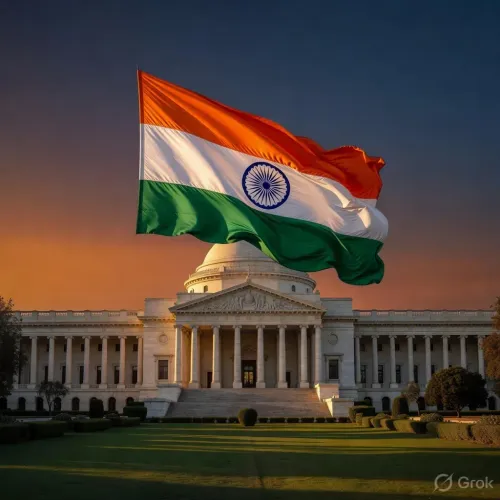
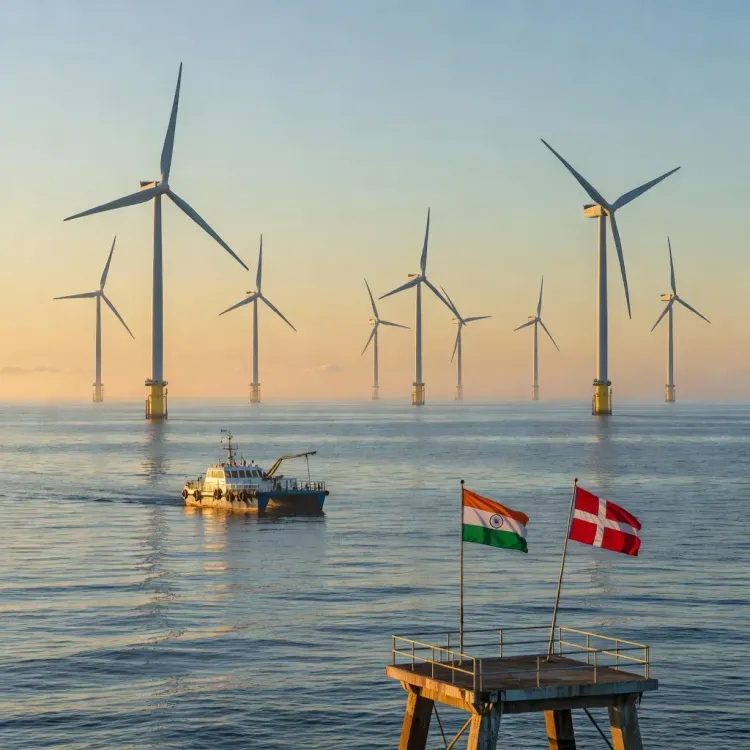
'Warm congratulations to Lars Løkke Rasmussen on his re-appointment as Foreign Minister of Denmark,' Dr. Jaishankar wrote, adding that he looked forward to 'continued cooperation' under the bilateral green framework. The message was accompanied by the Indian and Danish flags.
Context
Lars Løkke Rasmussen is a veteran Danish politician who has served multiple terms as Prime Minister before returning to government as Foreign Minister. His continuity in the foreign affairs portfolio is significant for New Delhi, which has built a substantial body of bilateral work with Copenhagen over the past five years.
Dr. Jaishankar, External Affairs Minister since 2019 and a former Foreign Secretary, has personally driven much of the operational follow-up on India's strategic partnerships in Europe, including with the Nordic bloc. His congratulatory note reflects a standard diplomatic practice of locking in working relationships immediately after counterpart reshuffles.
Policy backdrop
The India-Denmark Green Strategic Partnership was formally launched on 28 September 2020 via a virtual summit between Prime Minister Narendra Modi and Danish Prime Minister Mette Frederiksen. It was the first such 'green' bilateral framework India entered into, and it set the template for subsequent climate-anchored partnerships with other European capitals.
The partnership spans renewable energy, climate action, water, the circular economy and sustainable urban development. Denmark brings recognised expertise in offshore wind, district energy and water management; India brings scale, with a stated target of 500 GW of non-fossil fuel installed capacity by 2030 and net-zero emissions by 2070.
Stakeholders and impact
Continuity at the Danish foreign ministry is being watched closely by renewable energy developers, port and logistics firms working on offshore wind supply chains, and diplomatic services on both sides coordinating joint working groups. A stable interlocutor in Copenhagen lowers transaction costs on long-cycle infrastructure projects that span political terms.
For New Delhi, the engagement is also a piece of a wider multi-alignment approach. India has expanded climate-focused strategic partnerships with several European and Nordic countries, pairing economic and environmental cooperation without exclusive alliance commitments. Denmark, an EU member, also serves as a useful channel into Brussels on green trade and standards.
What's next
Officials on both sides are expected to use the coming months to refresh the joint action plan under the Green Strategic Partnership. Next visible milestones could include progress reports on joint offshore wind initiatives and a possible bilateral pull-aside on the margins of upcoming COP and India-EU engagements.
The immediate diplomatic signal, however, is one of reassurance: with the same foreign minister back in office in Copenhagen, India can resume conversations without rebuilding rapport. For a partnership that depends on multi-year capital commitments in clean energy, that continuity is itself a deliverable.
Point of View
Dr. Jaishankar is telling both domestic and European audiences that India's Nordic outreach is now indistinguishable from its climate diplomacy. It fits a wider pattern in which New Delhi is using sectoral, green-tinted frameworks with smaller European states to widen technology access without locking into bloc-level commitments. With the same Danish counterpart back in office, India avoids a transition cost on a partnership that has become a quiet template for its EU engagement.
NationPress
18 Oct 2026
Frequently Asked Questions
Who is Lars Løkke Rasmussen?
Lars Løkke Rasmussen is a senior Danish politician who has served multiple terms as Prime Minister of Denmark and has now been re-appointed as the country's Foreign Minister.
What is the India-Denmark Green Strategic Partnership?
It is a bilateral framework launched on 28 September 2020 between India and Denmark covering renewable energy, climate action, water, circular economy and sustainable urban development.
When was the India-Denmark Green Strategic Partnership launched?
The partnership was formally launched on 28 September 2020 at a virtual summit between Prime Minister Narendra Modi and Danish Prime Minister Mette Frederiksen.
Why is Denmark important for India's clean energy push?
Denmark is a global leader in offshore wind, district energy and water management, areas that complement India's target of 500 GW of non-fossil capacity by 2030.
What did Jaishankar say to Lars Løkke Rasmussen?
Dr. Jaishankar offered 'warm congratulations' on the re-appointment and said he looked forward to continued cooperation to take the India-Denmark Green Strategic Partnership 'to greater heights'.