PM Modi Reaffirms India-Denmark Green Strategic Partnership
Synopsis
Prime Minister Narendra Modi on 10 June 2026 publicly reaffirmed India's commitment to the India-Denmark Green Strategic Partnership, thanking Danish PM Mette Frederiksen and citing their recent meeting at the 3rd India-Nordic Summit as the basis for deeper bilateral cooperation.
Key Takeaways
PM Modi publicly acknowledged warm wishes from Danish PM Mette Frederiksen on 10 June 2026 .
Modi cited the 3rd India-Nordic Summit as the foundation for continued bilateral momentum.
India reaffirmed its commitment to the India-Denmark Green Strategic Partnership , first launched in September 2020 .
The partnership covers renewable energy, climate resilience, urban sustainability and green technology cooperation.
Denmark 's expertise in wind energy and maritime technology complements India's domestic clean-energy goals.
The exchange signals continued high-level diplomatic engagement ahead of future climate and bilateral milestones.
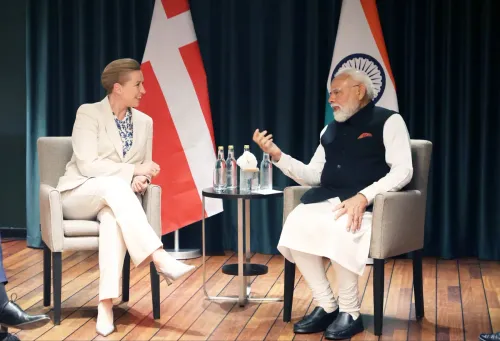
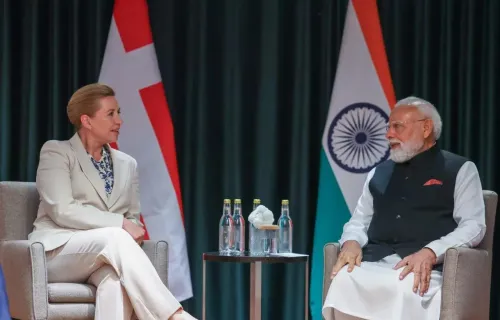
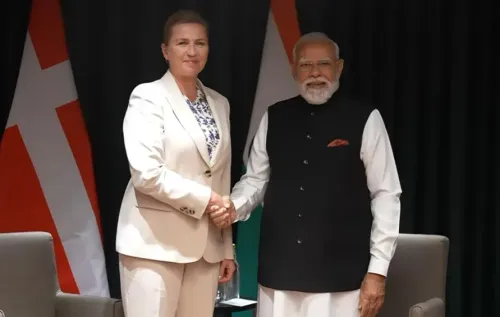
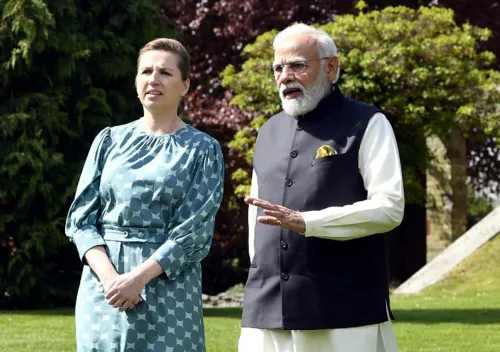
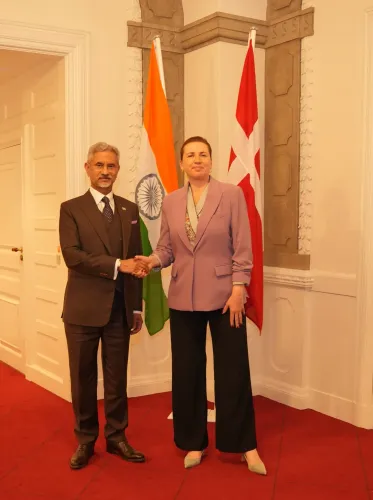
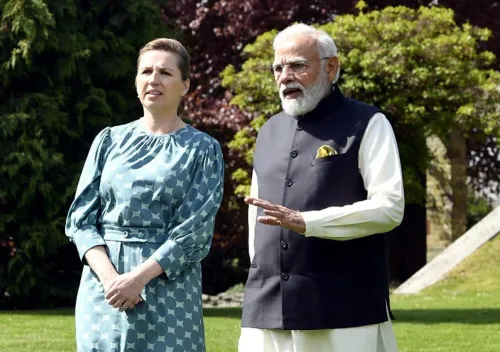
Prime Minister Narendra Modi on Wednesday, 10 June 2026 acknowledged warm wishes from Danish Prime Minister Mette Frederiksen, reaffirming India's commitment to deepening the India-Denmark Green Strategic Partnership and citing their recent meeting at the 3rd India-Nordic Summit as a foundation for further cooperation.
Context
In his post on X, Prime Minister Modi wrote: 'Thank you Prime Minister Frederiksen for your warm wishes. Building on our recent meeting at the 3rd India-Nordic Summit, India remains fully committed to further deepening our Green Strategic Partnership.' The message signals continued diplomatic momentum between New Delhi and Copenhagen at the highest level.
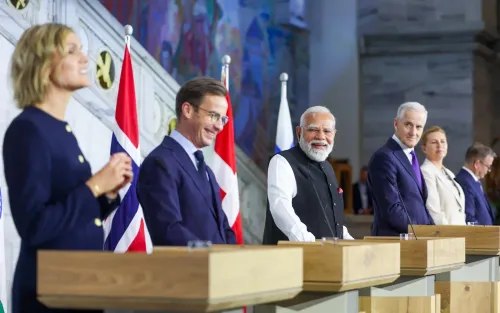
The exchange follows the two leaders' interaction at the 3rd India-Nordic Summit, a periodic high-level forum that brings together India and the five Nordic nations — Denmark, Sweden, Norway, Finland and Iceland — to advance collaboration on trade, innovation, sustainability and people-to-people ties.
Policy Backdrop
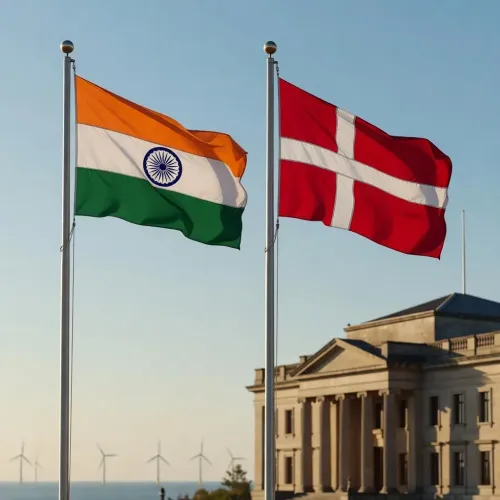
The India-Denmark Green Strategic Partnership was formally launched in September 2020 during a virtual summit between Prime Minister Modi and Prime Minister Frederiksen. It established a bilateral framework covering renewable energy, climate resilience, urban sustainability and green technology cooperation.
Denmark brings deep expertise in wind energy, district heating and maritime technology to the partnership, areas that align closely with India's domestic clean-energy ambitions. The partnership sits within Modi's broader climate diplomacy architecture, which also includes the International Solar Alliance and bilateral green pacts with several European partners.
Stakeholders and Impact
Renewable energy firms and green technology exporters on both sides stand to benefit most directly from the partnership's continued deepening. Danish wind-energy companies, in particular, have historically found a significant market in India, which is among the world's largest wind-power producers.
The partnership also reflects India's broader preference for issue-based coalitions with like-minded middle powers on non-traditional security and sustainability themes. For Copenhagen, close ties with the world's most populous nation and a fast-growing clean-energy market carry both commercial and geopolitical weight.
What's Next
Observers will watch for progress reports on flagship projects under the 2020 Green Strategic Partnership and any joint statements that may emerge from forthcoming bilateral or India-Nordic engagements. Prime Minister Frederiksen's outreach and Modi's public response suggest both governments are keen to maintain visible momentum on the green agenda ahead of future multilateral climate milestones.
With India scaling up its renewable capacity targets and Denmark positioning itself as a global leader in the green transition, the partnership is likely to expand in scope — potentially encompassing green hydrogen, offshore wind and sustainable urban infrastructure in the near term.
Point of View
Paired with an explicit reaffirmation of the Green Strategic Partnership, is a deliberate act of diplomatic signalling rather than mere courtesy. It reinforces India's strategy of cultivating structured, issue-specific ties with European middle powers who bring technological capital rather than political conditionality. The India-Nordic Summit format gives New Delhi a multilateral platform while allowing bilateral depth with individual partners like Denmark. Sustaining this visibility on green diplomacy also serves India's domestic narrative of leading on climate action ahead of major international forums.
NationPress
26 Oct 2026
Frequently Asked Questions
What is the India-Denmark Green Strategic Partnership?
The India-Denmark Green Strategic Partnership is a bilateral framework launched in September 2020 to advance cooperation in renewable energy, climate resilience, urban sustainability and green technology between the two countries.
When was the 3rd India-Nordic Summit held?
The exact date of the 3rd India-Nordic Summit has not been officially confirmed in available public records, but PM Modi referenced a recent meeting there in his post on 10 June 2026.
Who is Mette Frederiksen?
Mette Frederiksen is the Prime Minister of Denmark, in office since 2019 and leader of the Social Democrats. She has made climate diplomacy and green technology cooperation central pillars of her foreign policy.
What does India gain from the Green Strategic Partnership with Denmark?
India gains access to Danish expertise in wind energy, district heating and maritime technology, which supports its domestic renewable energy targets and broader climate commitments.
What is the India-Nordic Summit?
The India-Nordic Summit is a periodic high-level forum between India and the five Nordic nations — Denmark, Sweden, Norway, Finland and Iceland — focused on trade, innovation, sustainability and people-to-people ties.