India–Nordic Summit 2026: Denmark PM calls India 'greatest power' in Oslo
Synopsis
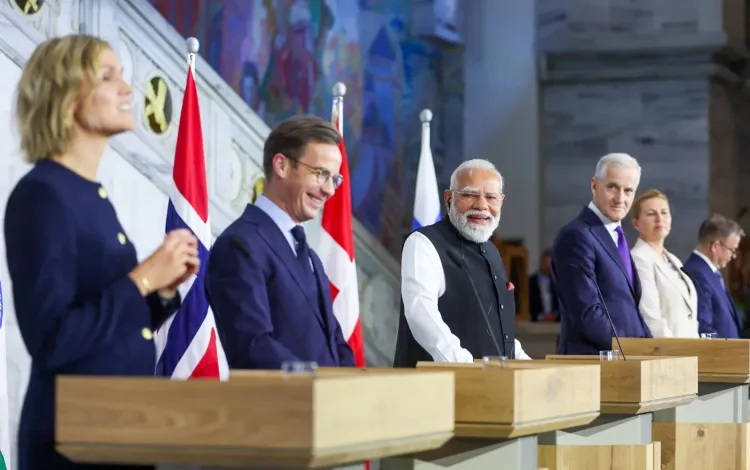
At the third India–Nordic Summit in Oslo, Denmark's Prime Minister openly called India one of the world's greatest powers — a declaration analysts say marks a permanent shift in Europe's official perception of India. The summit also produced a concrete outcome: a formal Green Technology and Innovation Strategic Partnership, institutionalising what was once a peripheral diplomatic relationship.
Key Takeaways
The third India–Nordic Summit was held in Oslo, Norway in May 2026 .
Denmark's Prime Minister Mette Frederiksen declared India 'not a middle power, but one of the world's greatest powers.' India–Nordic ties were formally elevated to a 'Green Technology and Innovation Strategic Partnership' .
The partnership covers clean energy transition , trade, investment, and the blue economy — oceans, shipping, and fisheries.
Analysts describe the summit as a shift from generalist dialogue to structured, purpose-driven strategic alignment.
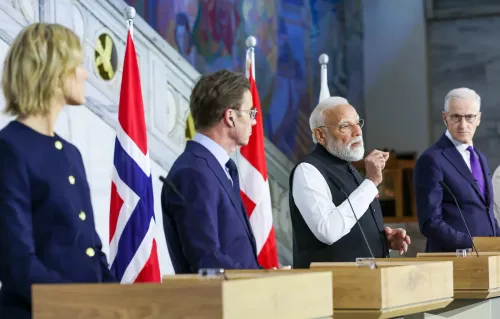
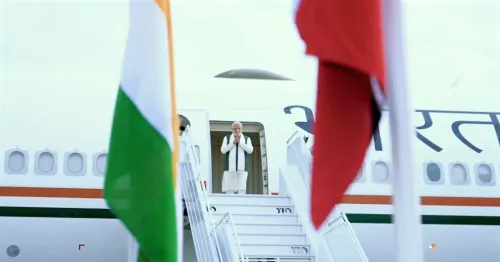
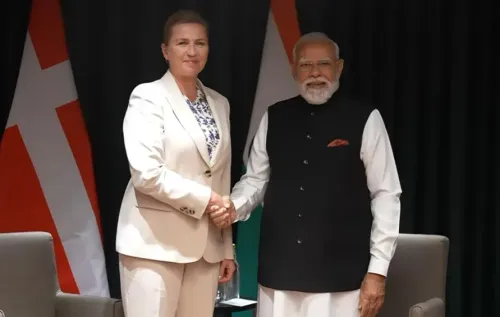
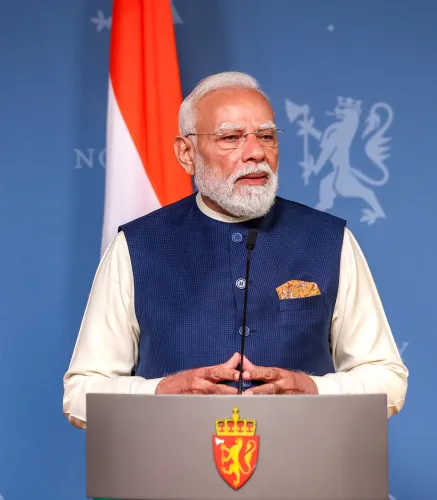
The third India–Nordic Summit, held in Oslo, Norway, has emerged as a landmark moment in India's global diplomatic standing, with Denmark's Prime Minister Mette Frederiksen publicly declaring India 'not a middle power, but one of the world's greatest powers.' The statement, delivered in May 2026, is being read by analysts as a signal that Europe's official perception of India has undergone a permanent shift.
A Summit Beyond Diplomatic Formality
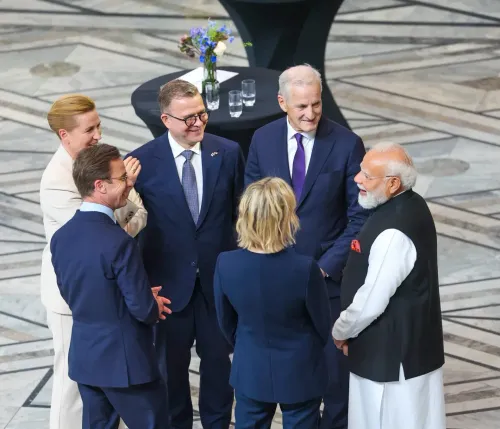
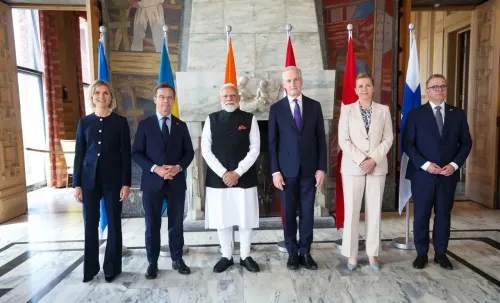
On the surface, the Oslo gathering brought together the leaders of India and five Nordic states around a shared agenda of climate action and technology cooperation. Beneath that, according to an analysis published in One World Outlook, something more consequential was taking shape — the crystallisation of what had previously been a 'nice-to-have' arrangement into a structured strategic alignment.
The report described the summit as 'the moment a relationship... crystallised into a strategic alignment, one explicitly framed around green technology, digital governance, Arctic affairs, and the architecture of a new global order.'
Green Technology Partnership: The Summit's Concrete Outcome
The most tangible development from the summit was the elevation of India–Nordic ties to a formal 'Green Technology and Innovation Strategic Partnership'. According to the One World Outlook analysis, this is 'not mere semantic upgrading.' The upgraded framework explicitly links cooperation to the clean energy transition, trade and investment flows, and the blue economy — covering oceans, shipping, and fisheries.
This moves the relationship away from the generalist political dialogue that characterised earlier summits toward a purpose-driven, institutionalised engagement. Notably, this is the third edition of the summit, reflecting a deepening of ties that has accelerated alongside India's growing economic weight.
Why the Partnership Is Mutually Strategic
The One World Outlook report highlighted a complementary logic underpinning the partnership: Nordic innovation, it argued, can translate into global impact only through access to markets and manufacturing capabilities at India's scale. Conversely, India's green and digital ambitions require the technological depth that Nordic economies have built over decades.
This complementarity, the report suggested, is precisely what makes the strategic partnership more durable than conventional diplomatic arrangements. It institutionalises interdependence rather than relying on goodwill alone.
India's Shift From Recipient to Co-Author
A recurring theme in the summit's coverage was India's changed posture in multilateral settings. The One World Outlook report noted that 'India arrived in Oslo not to be lectured or assisted but to co-author' — framing the summit as evidence of India actively shaping coalitions and setting international agendas rather than responding to them.
Prime Minister Frederiksen's characterisation of India as one of the world's greatest powers carried additional weight precisely because it came from a European head of government — described in the report as 'a signal to Western policy circles that the old taxonomy no longer applies.'
What Comes Next
With the Green Technology and Innovation Strategic Partnership now formally established, attention will turn to implementation: how quickly joint projects on clean energy, digital infrastructure, and Arctic cooperation move from declaration to delivery. The depth of follow-through will determine whether the Oslo summit of 2026 is remembered as a turning point or another well-worded communiqué.
Point of View
Which is harder to walk back than a communiqué. The real question is implementation speed. India has signed numerous strategic partnerships that stalled at the framework stage; whether this one moves to project-level delivery will be the true test of the summit's legacy.
NationPress
19 Sept 2026
Frequently Asked Questions
What was the India–Nordic Summit 2026 about?
The third India–Nordic Summit, held in Oslo in May 2026, brought together India and five Nordic nations to deepen cooperation on climate, green technology, digital governance, and Arctic affairs. The summit resulted in the elevation of ties to a formal Green Technology and Innovation Strategic Partnership.
What did Denmark's PM say about India at the Oslo summit?
Denmark's Prime Minister Mette Frederiksen stated that India is 'not a middle power, but one of the world's greatest powers.' Analysts say the remark, coming from a European head of government, signals a significant shift in how Western policy circles formally categorise India's global standing.
What is the India–Nordic Green Technology and Innovation Strategic Partnership?
It is the upgraded framework agreed at the Oslo summit that formally links India–Nordic cooperation to the clean energy transition, trade and investment flows, and the blue economy — covering oceans, shipping, and fisheries. It replaces the earlier generalist political dialogue with a structured, purpose-driven relationship.
Why does the India–Nordic Summit matter for India's foreign policy?
The summit reflects India's evolving role from a recipient of international cooperation to an active co-author of global frameworks. The formal recognition of India as a great power by a European leader, combined with a concrete strategic partnership, strengthens India's diplomatic positioning in both the Global South and the West.
Which countries participated in the India–Nordic Summit 2026?
The summit brought together India and the five Nordic states. The gathering was hosted in Oslo, Norway, and is the third edition of the India–Nordic Summit format.