India a greatest power, Nordic ties can bring stability: Denmark PM
Synopsis
At the third India–Nordic Summit in Oslo, Denmark's PM Frederiksen broke from diplomatic convention to call India not a middle power but 'one of the greatest powers' — and argued that pairing it with a united Nordic bloc is the world's best bet for stability right now. With new EU–India and EFTA–India trade deals freshly signed and defence cooperation on the table, this summit marks a clear upgrade in how Europe's north views New Delhi.
Key Takeaways
Danish PM Mette Frederiksen called India 'one of the greatest powers' at the third India–Nordic Summit in Oslo on Tuesday, 19 May .
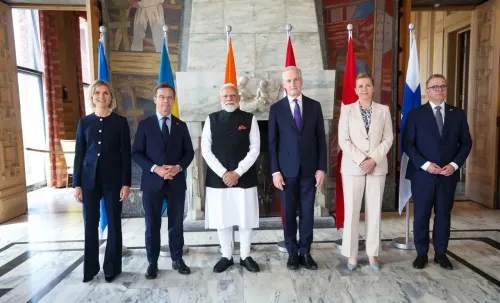
Norwegian PM Jonas Gahr Store said discussions covered international law, a rules-based order, peace in Ukraine , and the Middle East conflict.
Swedish PM Ulf Kristersson highlighted scope for expanded partnerships in investments, innovation, diplomacy, and defence cooperation .
Finnish PM Petteri Orpo confirmed a strategic partnership in digitalisation and sustainability established with India earlier in 2025.
Icelandic PM Kristrun Frostadottir offered Iceland's geothermal energy expertise and invoked the word 'sambandh' to describe the spirit of the partnership.
The summit comes amid newly concluded EFTA–India and EU–India free trade agreements, deepening economic ties.
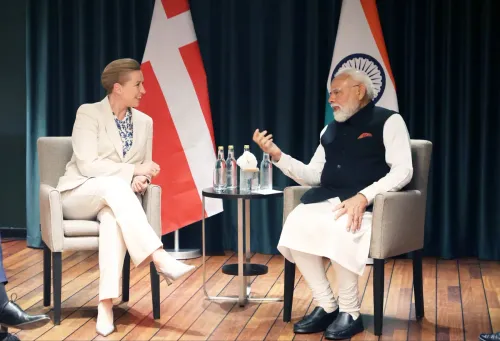
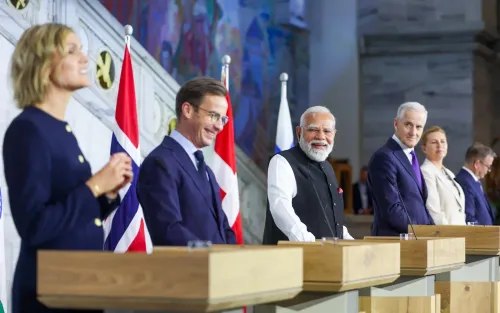
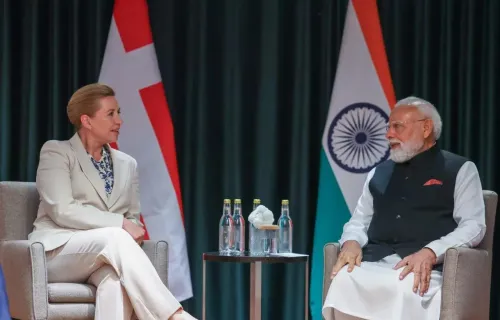
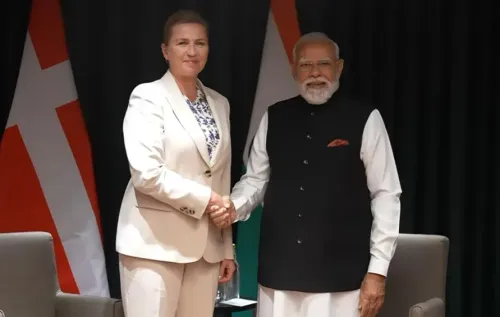
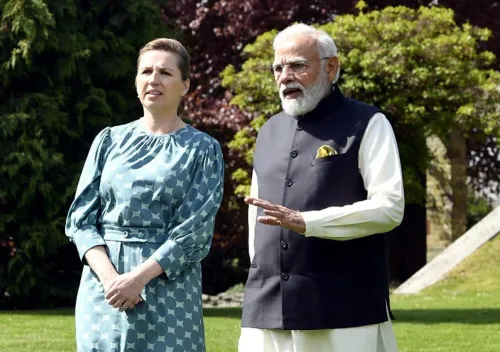
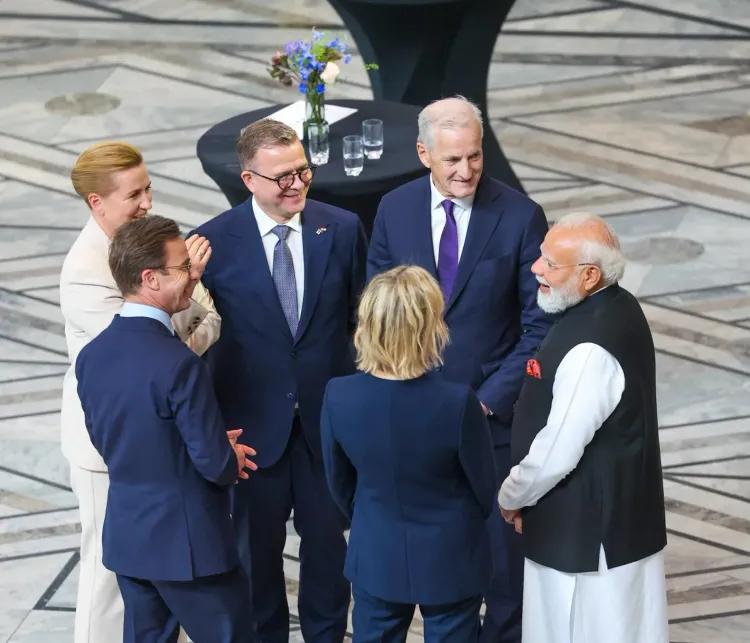
Danish Prime Minister Mette Frederiksen on Tuesday called India 'one of the greatest powers' in the world, arguing that Nordic cooperation with New Delhi can deliver stability, prosperity, and unity at a time of rapid and troubling global change. Her remarks came at a joint press conference in Oslo following the conclusion of the third India–Nordic Summit, attended by Prime Minister Narendra Modi and the leaders of Norway, Sweden, Finland, and Iceland.
Frederiksen's Case for India–Nordic Partnership
Frederiksen pushed back against framing India as a 'middle power', a label she also found ill-fitting for the Nordic bloc individually. 'We cannot say that India is a middle power. You are one of the biggest powers,' she said. She argued that when the Nordic nations act in concert, they collectively constitute a middle power — and that pairing such a bloc with a major power like India around shared ideas and values offers a credible path through global uncertainty. 'Working together with one of the greatest powers on these clear ideas and values, I think we can bring stability, prosperity, and unity into a world that is changing rapidly and unfortunately not in the right direction,' Frederiksen stated.
Norway, Sweden, Finland: Key Summit Priorities
Norwegian Prime Minister Jonas Gahr Store said the summit's discussions centred on reinforcing international law and advancing a rules-based global order that he acknowledged needs reform. Store also stressed the importance of a 'just and lasting peace' in Ukraine and a diplomatic resolution to the conflict in the Middle East. On the economic front, he highlighted deepening trade ties in light of newly concluded free trade agreements between EFTA countries and India, as well as between the European Union and India.
Swedish Prime Minister Ulf Kristersson thanked Modi for strong bilateral and Nordic-format cooperation, expressing enthusiasm about the opportunities the EU–India free trade agreement would create. 'There is a good room for expanding our partnerships in investments, in innovation, in diplomacy, and also in defence cooperation,' Kristersson said.
Finnish Prime Minister Petteri Orpo, recalling a visit to India earlier in the year alongside President Alexander Stubb, noted that a strategic partnership in digitalisation and sustainability had already been established. 'Finland is committed to bringing this partnership into concrete actions,' he said, underlining shared priorities on the rules-based order and climate change.
Iceland's 'Sambandh' Moment
Icelandic Prime Minister Kristrun Frostadottir described the summit as arriving at a 'very poignant time', underscoring how countries as geographically distant as Iceland and India are bound by shared interests. She pointed to Iceland's expertise in geothermal energy and renewables as a concrete area for exchange. In a lighter but pointed moment, Frostadottir expressed affection for the Hindi word 'sambandh' — meaning relationship or bond — noting its phonetic resemblance to the Icelandic word 'samband'. 'This is what people need. They need more samband today,' she said.
What the Summit Signals
The third India–Nordic Summit reflects a broader pattern of New Delhi deepening its engagement with Europe's smaller but economically significant democracies, particularly as the EU–India trade architecture takes shape. Notably, this is the third such summit, signalling an institutionalisation of the format rather than a one-off diplomatic gesture. With defence cooperation, innovation, sustainability, and trade all on the agenda, the partnership is expanding well beyond its original clean-energy and technology focus. The next steps will depend on how quickly the newly signed free trade frameworks translate into on-the-ground investment flows.
Point of View
She acknowledged a shift in how European capitals are recalibrating their relationship with New Delhi — less as a developing-world partner and more as a peer in global governance. Yet the summit's communiqué-style language on Ukraine and the Middle East papers over real differences; India has not aligned with Western positions on either conflict. The trade architecture is the more durable story — EFTA–India and EU–India deals give this partnership a commercial spine that past summits lacked. Whether defence cooperation moves from rhetoric to procurement will be the real test of how far this upgrade goes.
NationPress
3 Oct 2026
Frequently Asked Questions
What is the India–Nordic Summit?
The India–Nordic Summit is a multilateral diplomatic forum bringing together the Prime Ministers of India, Denmark, Norway, Sweden, Finland, and Iceland. The third edition was held in Oslo on 19 May 2025, focusing on trade, security, climate, and the rules-based international order.
What did Denmark's PM Frederiksen say about India at the Oslo summit?
Frederiksen said India should not be called a middle power — it is 'one of the greatest powers.' She argued that Nordic cooperation with India around shared values can bring stability, prosperity, and unity to a world changing 'unfortunately not in the right direction.'
What trade agreements were discussed at the summit?
Leaders discussed the newly concluded free trade agreements between EFTA countries and India, as well as the EU–India free trade agreement. Norwegian PM Store and Swedish PM Kristersson both highlighted the economic opportunities these deals open up for deeper investment and trade ties.
What did Finland announce regarding its partnership with India?
Finnish PM Petteri Orpo confirmed that Finland and India had established a strategic partnership in digitalisation and sustainability earlier in 2025, following a visit to India by Orpo and President Alexander Stubb. He said Finland is committed to turning the partnership into concrete actions.
Why did Iceland's PM reference the word 'sambandh'?
Icelandic PM Kristrun Frostadottir noted that the Hindi word 'sambandh', meaning relationship or bond, closely resembles the Icelandic word 'samband'. She used it to illustrate how deeply connected India and Iceland are despite their geographic distance, calling it a symbol of what the world needs more of today.