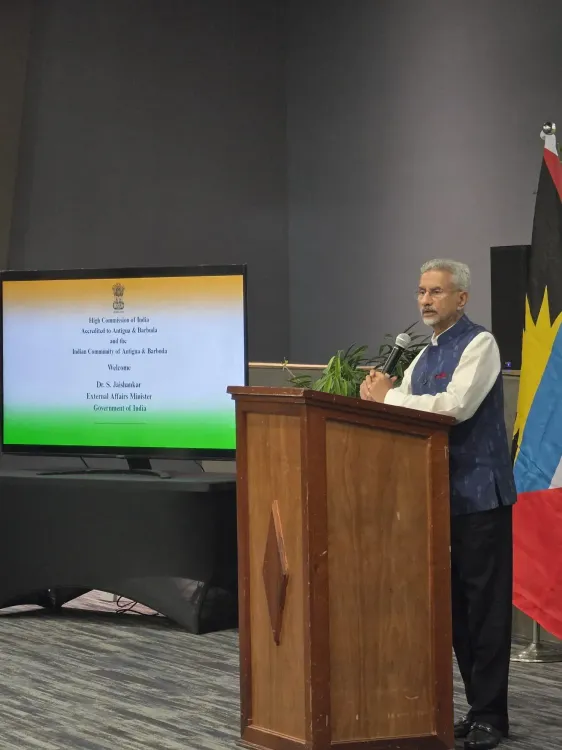
Jaishankar meets Indian community in Antigua and Barbuda
Synopsis
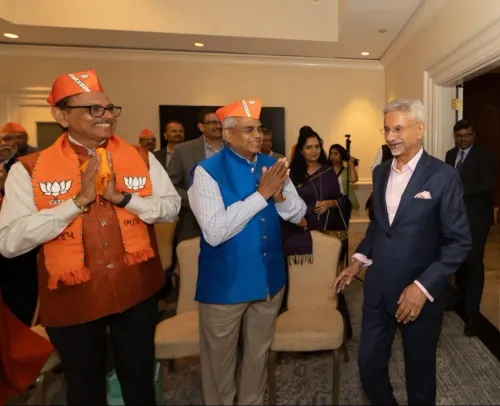
EAM Dr. S. Jaishankar met the Indian-origin community in Antigua and Barbuda on 5 November 2026, praising their contribution to India-Antigua ties. The interaction is part of India's standard diaspora-led diplomatic outreach to CARICOM nations.
Key Takeaways
Jaishankar held a community interaction with the Indian diaspora in Antigua and Barbuda on 5 November 2026 .
He publicly appreciated the community's role in 'strengthening the bonds between our two countries.' The Indian-origin community in the Caribbean has historical roots in 19th-century migration patterns.
Antigua and Barbuda is a member of CARICOM , a grouping India has been systematically cultivating through diplomacy and development outreach.
Diaspora engagement is a formal pillar of India's soft-power strategy toward smaller nations where formal treaty structures are limited.
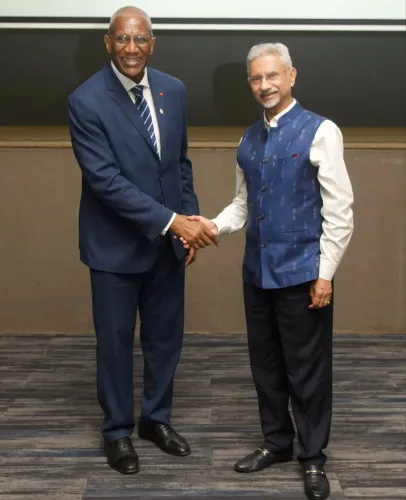
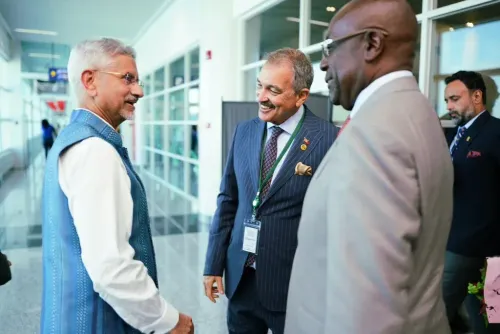
Thousands of miles from home, the Indian diaspora in the Caribbean found a familiar face on Thursday, 5 November 2026 — Union External Affairs Minister Dr. S. Jaishankar made time during his visit to Antigua and Barbuda to meet community members whose roots trace back across generations of migration.
Posting on X, Dr. Jaishankar said he was 'glad to interact with the Indian community in Antigua and Barbuda,' adding that he appreciated 'their contribution to strengthening the bonds between our two countries.' The flag emojis of both nations — 🇮🇳 and 🇦🇬 — punctuated what is a practised but genuinely felt gesture in Indian diplomatic ritual.
A diaspora that quietly anchors two flags
The Indian-origin community in Antigua and Barbuda is part of a broader Caribbean belt of South Asian settlement, much of it tracing back to the era of indentured labour in the 19th and early 20th centuries. Over generations, these communities have built lives, businesses, and civic identities while maintaining cultural and emotional ties to India — making them, as New Delhi sees it, living bridges between the two nations.
India and Antigua and Barbuda maintain formal diplomatic relations, and the Caribbean nation is among the small-island states that form part of the CARICOM grouping — a bloc New Delhi has steadily cultivated through trade, development assistance, and people-to-people diplomacy. Diaspora meetings of this kind are a standard, deliberate element of that playbook: they signal continuity of care and reinforce goodwill at the community level even when formal treaty structures are modest.
People-to-people diplomacy as foreign-policy tool
For Dr. Jaishankar — who has previously served as India's Ambassador to the United States, China, and Singapore before becoming Foreign Secretary and then Minister — diaspora engagement is not ceremony for its own sake. It is a documented strand of India's strategic outreach, used to build durable soft-power capital in countries where formal leverage is limited but human connections run deep.
The External Affairs Ministry regularly schedules community interactions as a fixed stop on official visits, particularly in smaller nations where the diaspora's social and economic footprint is disproportionately large relative to the size of the host country. Any follow-up bilateral meetings or statements on India-CARICOM cooperation from this visit will offer a clearer picture of the diplomatic agenda behind the community moment.
Point of View
Who has built a foreign-policy worldview around India as a 'Vishwamitra' rather than a passive rule-taker, these engagements are investments in long-term goodwill rather than photo opportunities. The visit also signals continued Indian interest in the CARICOM bloc at a time when multiple powers are competing for influence in small island developing states. Watch for any formal bilateral deliverables that emerge from this trip — they will reveal how much strategic weight New Delhi is placing on the Eastern Caribbean at this moment.
NationPress
5 Nov 2026
Frequently Asked Questions
Why did Jaishankar visit Antigua and Barbuda in November 2026?
Dr. S. Jaishankar visited Antigua and Barbuda as part of an official diplomatic engagement. He met with the local Indian-origin community to acknowledge their contribution to strengthening India-Antigua ties, consistent with India's standard practice of diaspora outreach during official visits.
What is India's relationship with Antigua and Barbuda?
India and Antigua and Barbuda maintain formal diplomatic relations. Antigua is a member of CARICOM , and India engages with the Caribbean bloc through trade, development assistance, and cultural diplomacy.
Who is the Indian diaspora in Antigua and Barbuda?
The Indian-origin community in Antigua and Barbuda is part of the broader South Asian diaspora in the Caribbean, with roots largely tied to historical migration patterns from the 19th and early 20th centuries, including the era of indentured labour.
What is CARICOM and how does India engage with it?
CARICOM (Caribbean Community) is a grouping of Caribbean nations including Antigua and Barbuda . India has been steadily building ties with CARICOM member states through diplomacy, development cooperation, and people-to-people outreach.
Why does India prioritise diaspora meetings during official overseas visits?
India treats diaspora engagement as a formal foreign-policy tool. Community interactions reinforce soft power, build bilateral goodwill, and create durable people-to-people links — especially in smaller nations where the diaspora's economic and social footprint is significant.