Jaishankar meets Sumitomo CEO, eyes ¥10 trillion Japan investment
Synopsis
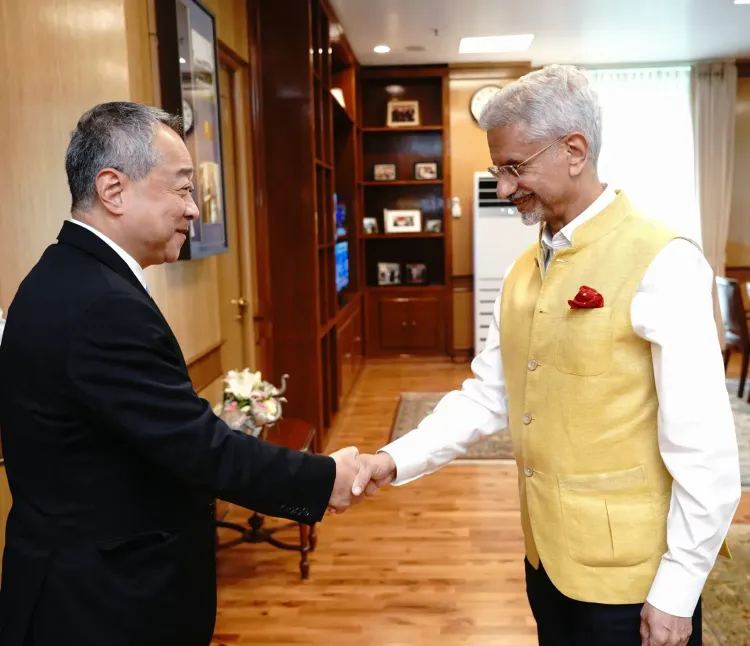
External Affairs Minister Dr. S. Jaishankar met Sumitomo Corporation CEO Shingo Ueno in New Delhi on June 5, 2026, discussing Japanese business opportunities in India and urging Sumitomo's contribution toward a ¥10 trillion bilateral investment target over the next decade.
Key Takeaways
Jaishankar met Shingo Ueno , CEO of Sumitomo Corporation , in New Delhi on June 5, 2026 .
The minister highlighted Sumitomo's potential role in achieving a bilateral investment target of ¥10 trillion over the next decade .
Sumitomo Corporation reaffirmed its commitment to the Make in India initiative during the meeting.
India-Japan investment cooperation is anchored in the Special Strategic and Global Partnership , with targets scaling up from an initial ¥3.5 trillion pledge in 2014 .
Japanese firms are seen as key partners in technology transfer, quality infrastructure, and supply-chain diversification for India.
Follow-up project announcements and FDI inflow data will be watched as indicators of whether the commitment translates into on-ground investment.
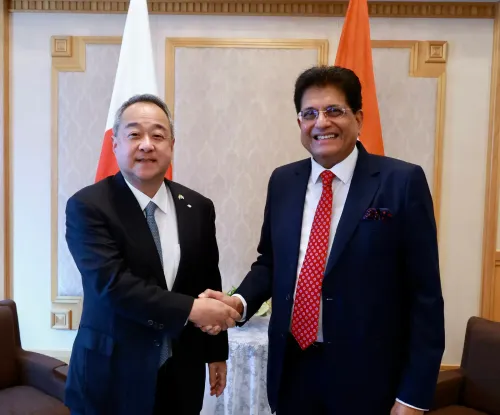
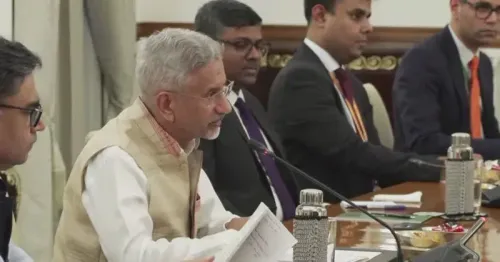
Union External Affairs Minister Dr. S. Jaishankar met Shingo Ueno, CEO of Sumitomo Corporation, in New Delhi on Friday, June 5, 2026, to discuss expanding Japanese business investment in India. The minister highlighted opportunities in India's growth and modernisation, and acknowledged Sumitomo's ongoing commitment to the Make in India initiative.
Context
Dr. Jaishankar noted that Sumitomo Corporation can make 'an important contribution to the investment target of ¥10 trillion over the next decade.' The meeting underscores the active diplomatic outreach India is conducting to deepen economic ties with Japan, one of its most significant strategic partners. The bilateral flags — India and Japan — featured in the minister's post signal the diplomatic weight attached to the engagement.
Sumitomo Corporation is one of Japan's largest sogo shosha (general trading conglomerates), with a diversified footprint in India spanning railways, power infrastructure, and automotive components. CEO Shingo Ueno leads the firm's global operations, making the New Delhi meeting a significant CEO-level diplomatic touchpoint.
Policy Backdrop
India-Japan investment cooperation has been formalised through a series of bilateral summits dating back to 2014, when an initial target of ¥3.5 trillion over five years was set. That target was revised upward in subsequent annual summits as both sides deepened their Special Strategic and Global Partnership. The current reference to a ¥10 trillion target over ten years reflects the cumulative scaling of investment pledges discussed at these forums.
The Make in India scheme, launched in September 2014, remains the central policy vehicle for attracting foreign direct investment and building domestic manufacturing capacity. Japanese firms have been viewed as priority partners given their strengths in technology transfer, precision manufacturing, and quality infrastructure development.
Stakeholders and Impact
For Japanese investors, India's large consumer market and improving ease-of-doing-business environment present long-term opportunities, particularly as global supply chains seek to diversify away from single-country dependence. Sumitomo's stated commitment to Make in India positions it as a bellwether for broader Japanese corporate interest in the country.
For India's manufacturing sector, Japanese capital brings not just funds but also technology and quality standards. Sectors such as green energy, smart infrastructure, and industrial components stand to benefit most from deepened Sumitomo engagement. Indian workers and ancillary suppliers in these sectors are among the direct stakeholders.
What's Next
Attention will now turn to whether this ministerial-level meeting translates into concrete project announcements from Sumitomo or other Japanese conglomerates at the next India-Japan Annual Summit. Tracking of actual foreign direct investment inflows against the ¥10 trillion benchmark in official commerce ministry data will be a key indicator of progress. The meeting adds to a pattern of senior Indian ministers holding CEO-level engagements to convert strategic goodwill into on-ground investment commitments.
Point of View
Moving the conversation from aspiration to accountability. Sumitomo's public reaffirmation of Make in India commitment is also significant given the current global push to diversify manufacturing supply chains. For India, securing Japanese industrial capital in infrastructure and clean energy could be a decisive factor in meeting its own growth and modernisation targets this decade.
NationPress
21 Oct 2026
Frequently Asked Questions
Why did Jaishankar meet Sumitomo Corporation CEO Shingo Ueno?
The meeting focused on expanding Japanese business investment in India, discussing opportunities in India's growth and modernisation, and encouraging Sumitomo's contribution toward a bilateral investment target of ¥10 trillion over the next decade.
What is the ¥10 trillion India-Japan investment target?
The ¥10 trillion figure represents a cumulative investment target discussed in the context of India-Japan bilateral forums, building on earlier pledges that began with a ¥3.5 trillion target set at the 2014 India-Japan Summit.
What is Sumitomo Corporation's role in India?
Sumitomo Corporation is one of Japan's largest conglomerates and has long-standing investments in India across sectors including railways, power infrastructure, and automotive components, with a stated commitment to the Make in India initiative.
What is Make in India and why does it matter for Japan-India ties?
Make in India is a flagship government scheme launched in September 2014 to attract foreign direct investment and boost domestic manufacturing. Japanese firms are considered priority partners under this initiative due to their expertise in technology transfer and quality manufacturing.
What should we watch for after this Jaishankar-Sumitomo meeting?
Key things to watch include follow-up project announcements from Sumitomo and other Japanese firms at the next India-Japan Annual Summit, and official FDI inflow data tracking progress against the ¥10 trillion investment target.