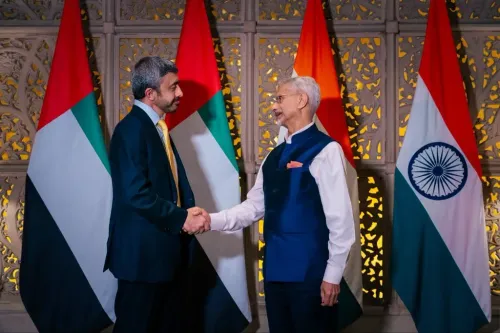
Jaishankar meets UAE's DPM & FM Abdullah bin Zayed
Synopsis
External Affairs Minister Dr. S. Jaishankar met UAE Deputy PM and FM Sheikh Abdullah bin Zayed on 20 October 2026, sharing his opening remarks live, reinforcing India-UAE ties anchored in the 2022 CEPA and a decade-old strategic partnership.
Key Takeaways
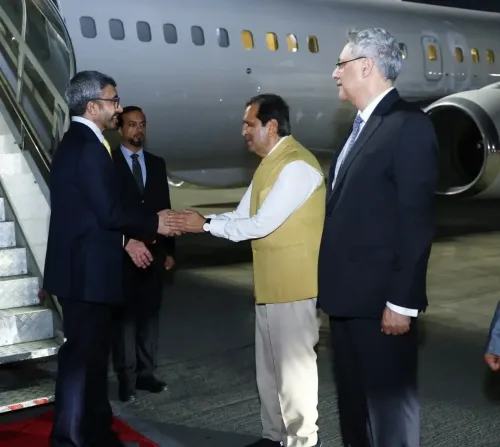
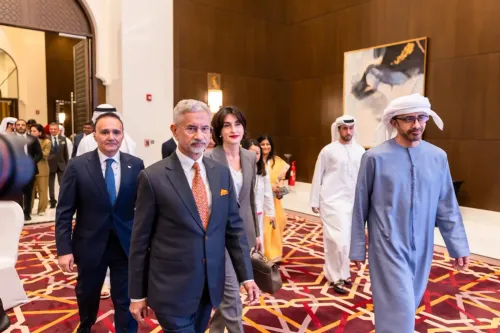
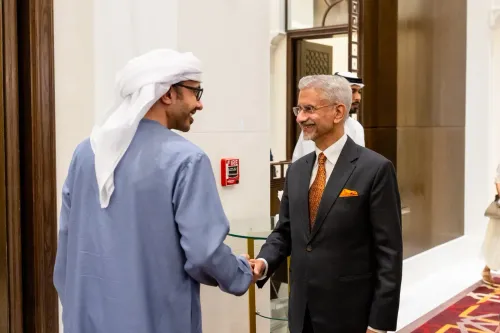
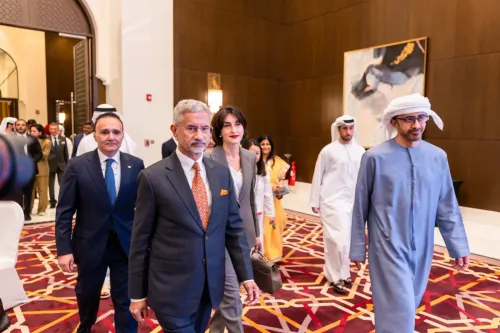
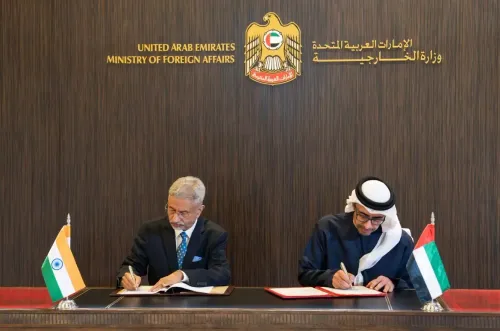
Jaishankar held a bilateral meeting with UAE Deputy Prime Minister and Foreign Minister Sheikh Abdullah bin Zayed Al Nahyan on 20 October 2026 .
Jaishankar live-streamed his opening remarks on X, signalling transparency and the high-profile nature of the engagement.
India and UAE elevated ties to a Comprehensive Strategic Partnership during PM Modi's August 2015 UAE visit .
The India-UAE CEPA , signed in February 2022 , remains a central pillar of the bilateral economic agenda and a likely focus of ministerial discussions.
The meeting reflects India's sustained 'Think West' diplomatic strategy, prioritising deep engagement with Gulf partners beyond traditional energy and diaspora ties.
The Indian diaspora in the UAE — one of the world's largest single-country concentrations — gives the relationship a strong people-to-people dimension alongside trade and strategy.
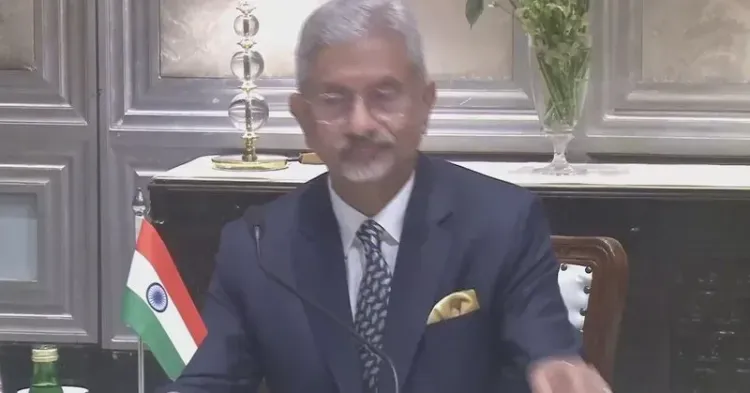
India's top diplomat sat down with one of the Gulf's most consequential foreign ministers on Tuesday, 20 October 2026 — and opened the meeting on the record. Union External Affairs Minister Dr. S. Jaishankar shared his opening remarks from his bilateral meeting with UAE Deputy Prime Minister and Foreign Minister Sheikh Abdullah bin Zayed Al Nahyan, live-streaming the exchange in a signal of the transparency both sides are lending to this relationship.
India and UAE: a partnership built on more than oil
This is not a courtesy call. The India-UAE relationship has been architected carefully over the past decade — beginning with Prime Minister Modi's landmark visit to the UAE in August 2015, which elevated ties to a Comprehensive Strategic Partnership. The economic architecture got its most ambitious upgrade in February 2022, when the two countries signed the India-UAE Comprehensive Economic Partnership Agreement (CEPA) — one of India's fastest-ever negotiated trade deals — targeting a step-change in non-oil bilateral trade and investment flows.
Sheikh Abdullah bin Zayed Al Nahyan has been at the centre of that engagement. As the UAE's foreign minister and a senior member of the Abu Dhabi ruling family, he is the diplomatic counterpart India turns to when it needs both political signal and economic momentum from Abu Dhabi.
Jaishankar's 'Think West' playbook at work
The meeting fits squarely into the pattern analysts describe as India's 'Think West' approach — a sustained, high-level diplomatic investment in Gulf states that goes well beyond remittances and crude imports. The nearly 3.5 million-strong Indian diaspora in the UAE is the largest foreign community in the country and one of the world's biggest single-country diaspora concentrations anywhere. Their welfare, their remittances, and their professional standing are a standing agenda item at every ministerial meeting.
Beyond the diaspora, the CEPA's implementation metrics — progress on tariff phase-downs, investment facilitation, and services trade — are the substantive bandwidth that meetings like this one are designed to advance. Regional coordination, particularly on issues touching the broader Middle East and the Indian Ocean, increasingly adds a strategic layer to what once looked like a purely economic conversation.
What to watch from the broadcast
Dr. Jaishankar linked to a live X broadcast of his opening remarks — a deliberate move that previews tone and priorities even before any formal joint statement. The specifics of what was agreed, any new announcements on CEPA implementation, and whether the two ministers addressed regional flashpoints will emerge from the full readout. Watch for any language around investment targets, energy transition cooperation, or new institutional mechanisms — those would be the markers of a meeting that moved beyond maintenance and into momentum.
Point of View
Not just outcomes, from its Gulf diplomacy — a reputational investment as much as a diplomatic one. For Dr. Jaishankar, this meeting is a routine but load-bearing node in India's 'Think West' architecture: the UAE is the gateway through which India manages its Gulf exposure across trade, energy, diaspora welfare, and regional security. The CEPA, now past its fourth year, is entering the harder phase of implementation where political-level attention is needed to keep bureaucratic momentum alive. How both ministers characterise the meeting publicly will indicate whether this was maintenance or a genuine gear-shift.
NationPress
20 Oct 2026
Frequently Asked Questions
Why did Jaishankar meet the UAE Foreign Minister in October 2026?
EAM Dr. S. Jaishankar met UAE Deputy PM and FM Sheikh Abdullah bin Zayed on 20 October 2026 as part of India's sustained high-level diplomatic engagement with the UAE, likely to advance the India-UAE CEPA and coordinate on bilateral and regional matters.
What is the India-UAE CEPA?
The India-UAE Comprehensive Economic Partnership Agreement (CEPA) was signed in February 2022. It is designed to significantly expand non-oil bilateral trade and investment between the two countries and was one of India's fastest-negotiated trade deals.
Who is Sheikh Abdullah bin Zayed Al Nahyan?
Sheikh Abdullah bin Zayed Al Nahyan is the UAE's Deputy Prime Minister and Minister of Foreign Affairs, a senior member of the Abu Dhabi ruling family and a central figure in India-UAE diplomatic and economic engagement.
What is India's 'Think West' policy?
'Think West' refers to India's strategic approach of deepening sustained, high-level engagement with Gulf and West Asian states, treating them as key economic, energy, and strategic partners rather than just labour-export or oil-import destinations.
How large is the Indian diaspora in the UAE?
Indians form the largest foreign community in the UAE, with the diaspora estimated at nearly 3.5 million — one of the world's largest single-country diaspora concentrations — making people-to-people ties a standing priority in bilateral talks.