Jaishankar meets Wang Yi in Manila for bilateral talks
Synopsis
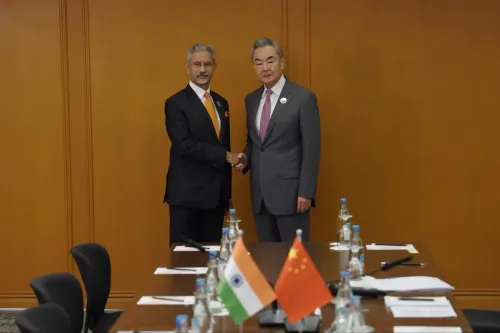
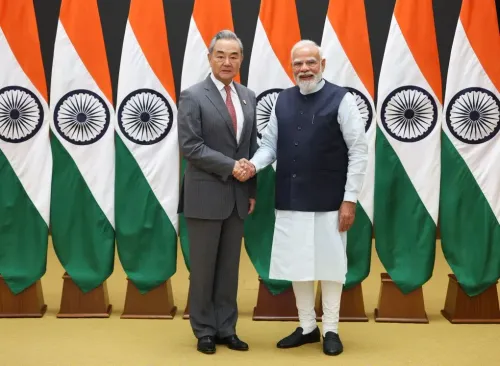
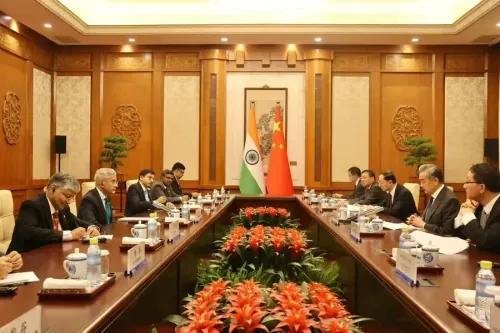
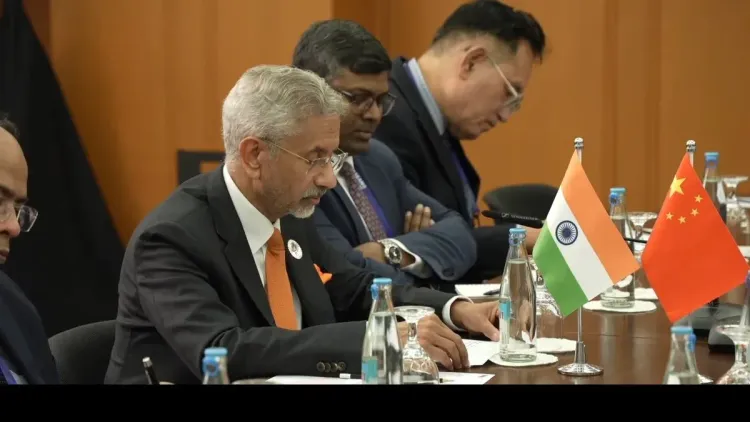
External Affairs Minister Dr. S. Jaishankar met Chinese Politburo member and Foreign Minister Wang Yi in Manila on 22 July 2026. The formal bilateral meeting continues a pattern of high-level India-China diplomatic engagement aimed at managing border tensions and broader bilateral ties since the 2020 Galwan Valley confrontation.
Key Takeaways
Jaishankar met Wang Yi in Manila on 22 July 2026 for a formal bilateral discussion.
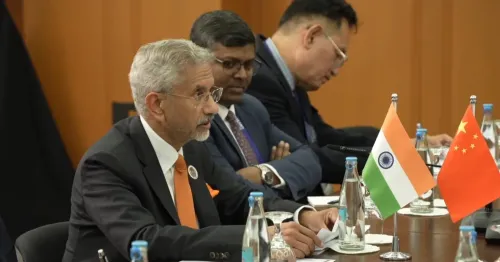
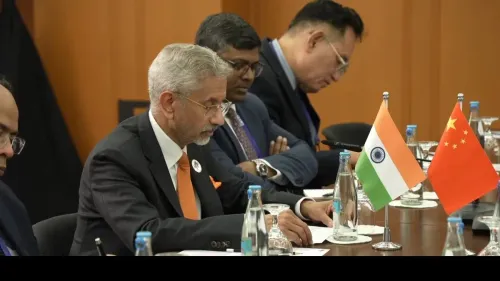
Jaishankar shared his opening remarks from the meeting, confirming its structured, formal nature.
The meeting continues a pattern of India-China ministerial engagement that began after the 2020 Galwan Valley clash .
Wang Yi holds a dual role as Politburo member and Foreign Minister, underscoring Beijing's strategic attention to the bilateral relationship.
Outcomes and detailed readouts from both governments are awaited and will indicate any progress on border or bilateral issues.
Manila and other Southeast Asian venues have become recurring sites for India-China diplomatic contacts on the margins of regional forums.
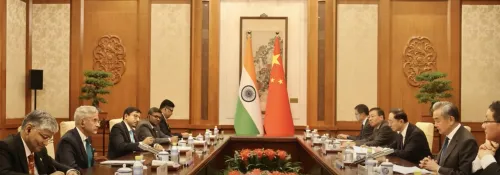
Union External Affairs Minister Dr. S. Jaishankar met Politburo member and Foreign Minister Wang Yi of China in Manila on Wednesday, 22 July 2026, holding a bilateral discussion that marks another high-level engagement between the two countries. Jaishankar shared his opening remarks from the meeting on social media, confirming the sit-down in the Philippine capital.
Context
The meeting in Manila continues a pattern of bilateral engagement between India and China on the sidelines of regional forums in Southeast Asia. Jaishankar posted directly from the meeting, noting these were his 'opening remarks' — signalling a structured, formal bilateral format rather than a casual pull-aside. The Philippine capital has emerged as an occasional venue for such diplomatic engagements among major Asian powers.
The two ministers have met several times since 2020, when the Galwan Valley clash triggered a prolonged military standoff along the Line of Actual Control (LAC). Those earlier encounters were largely focused on disengagement and de-escalation; subsequent meetings have sought to gradually rebuild diplomatic momentum.
Policy Backdrop
India-China relations have operated on parallel tracks since the 2020 Galwan Valley confrontation: sustained diplomatic and military-level talks to manage border friction, alongside competition in the broader Indo-Pacific and economic spheres. Multiple rounds of corps commander-level talks have addressed troop disengagement at various friction points along the LAC.
Both countries remain members of BRICS while India also participates in the Quad — a grouping that China views with suspicion. Jaishankar has consistently articulated India's position that relations with China cannot normalise until peace and tranquillity on the border are fully restored. High-level meetings such as the one in Manila are part of the diplomatic architecture designed to keep communication channels open despite these tensions.
Wang Yi, as a Politburo member in addition to his role as Foreign Minister, carries considerable weight within China's decision-making structure — a signal that Beijing treats these exchanges with strategic seriousness.
Stakeholders and Impact
Communities along the India-China border — particularly in Ladakh, Arunachal Pradesh, and Uttarakhand — remain the most directly affected by the state of bilateral relations. Any progress on disengagement or border management protocols translates into tangible security conditions for residents and military personnel stationed in those areas.
Trade and business sectors in both countries also watch such meetings closely. India-China bilateral trade has remained substantial even through periods of political friction, and signals from high-level diplomatic meetings can influence investor sentiment and regulatory posture on both sides. Regional neighbours and multilateral partners — including ASEAN member states — similarly track the trajectory of Asia's two largest economies.
What's Next
Detailed readouts from both sides are expected in the hours following the meeting, which will offer clearer indication of the specific issues discussed and any agreed follow-up steps. Observers will watch for any joint statement or convergence on border management timelines ahead of upcoming multilateral summits where both countries are represented.
The Manila meeting adds to a growing calendar of India-China diplomatic contacts in 2026. Whether this engagement translates into measurable progress on outstanding border or bilateral issues will become clearer as official readouts emerge from New Delhi and Beijing.
Point of View
Making such exchanges strategically consequential beyond the ministerial level. The meeting's timing and venue will be read carefully by regional powers and Indo-Pacific partners as an indicator of where the India-China relationship is heading in the second half of 2026.
NationPress
22 Jul 2026
Frequently Asked Questions
Why did Jaishankar meet Wang Yi in Manila?
The meeting in Manila appears to have taken place on the sidelines of a regional gathering in the Philippine capital, consistent with the pattern of India-China bilateral engagements held at multilateral forums in Southeast Asia. The exact forum has not been officially confirmed.
What is the current state of India-China relations?
India-China relations have been under strain since the 2020 Galwan Valley clash , which triggered a military standoff along the Line of Actual Control . Both countries have held multiple rounds of diplomatic and military-level talks aimed at disengagement and de-escalation, with high-level ministerial meetings continuing alongside ongoing border management discussions.
Who is Wang Yi and why does his Politburo membership matter?
Wang Yi is China's Foreign Minister and a member of the Politburo , the senior decision-making body of the Chinese Communist Party. His dual role means he carries greater political authority than a minister alone, signalling that Beijing attaches strategic importance to its diplomatic engagement with India.
Has Jaishankar met Wang Yi before?
Yes. Dr. S. Jaishankar and Wang Yi have held several bilateral meetings since 2020 , often on the sidelines of multilateral forums, to discuss border disengagement and the broader trajectory of India-China relations.
What should we watch for after the Manila meeting?
Official readouts from New Delhi and Beijing will be the key documents to watch. Any indication of agreed follow-up mechanisms, timelines for border management, or scheduled future meetings would signal meaningful progress from the Manila talks.