Jaishankar Plants Frangipani in Ghana, Linking Indian and African Green Pledges
Synopsis
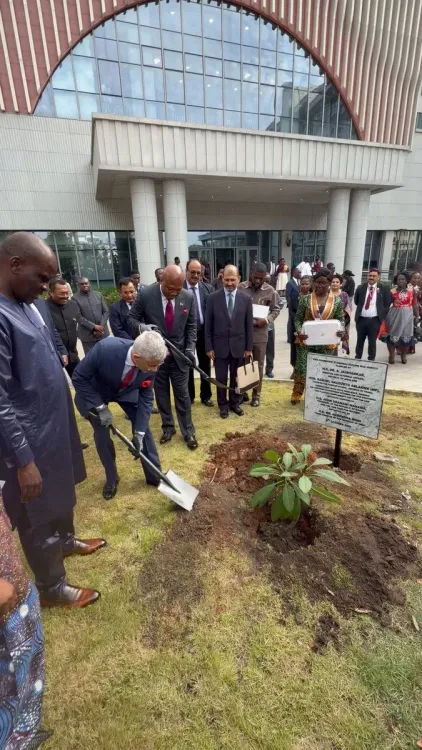
External Affairs Minister Dr. S. Jaishankar planted a Frangipani sapling in Ghana alongside two Ghanaian ministers, merging India's 'Ek Ped Maa Ke Naam' campaign with Ghana's 'Tree for Life' initiative as a symbol of shared commitment to sustainable development.
Key Takeaways
Jaishankar visited Ghana and participated in a tree-planting ceremony on 7 October 2026 .
He was joined by Ghanaian FM Samuel Okudzeto Ablakwa and Minister of Education Haruna Iddrisu .
The sapling planted was a Frangipani (Plumeria) , chosen as a culturally resonant symbol.
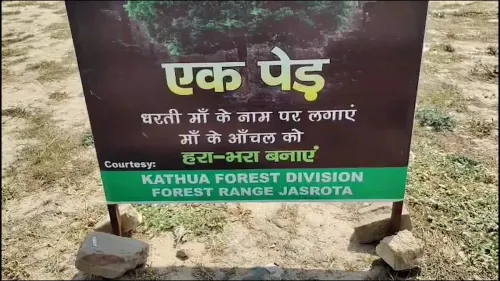
The event linked India's 'Ek Ped Maa Ke Naam' campaign — launched by PM Modi on World Environment Day 2024 — with Ghana's 'Tree for Life' initiative.
The visit signals India's growing diplomatic and environmental engagement across West Africa .
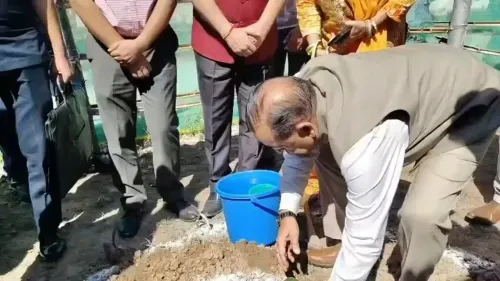
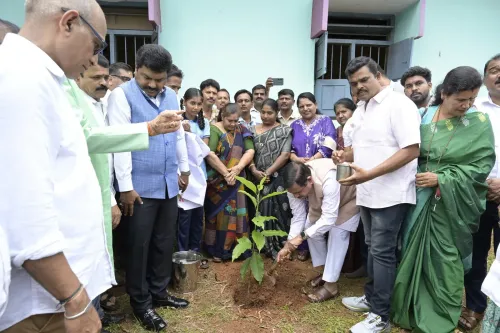
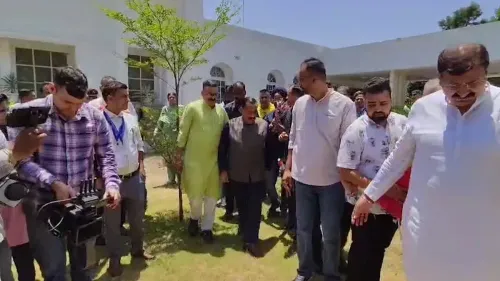
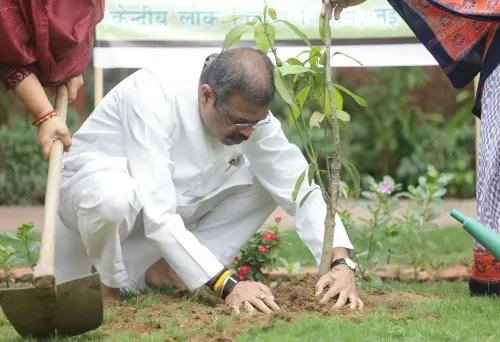
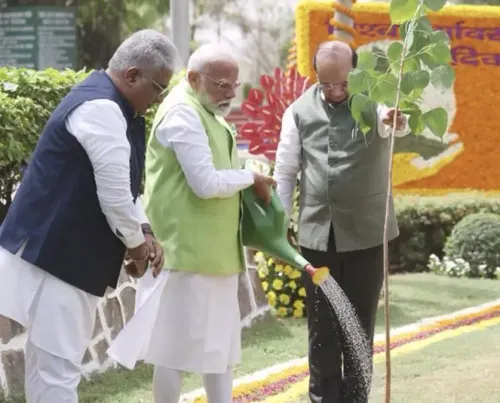
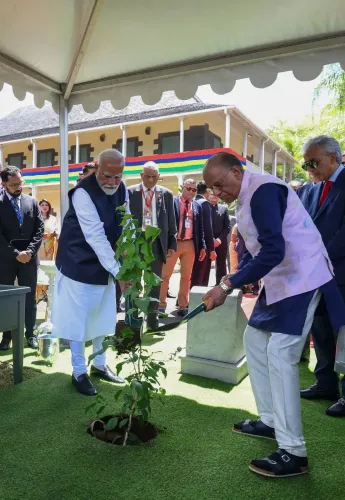
A single Frangipani sapling, pressed into Ghanaian soil by three ministers, quietly announced something larger on Wednesday, 7 October 2026: that India's domestic environmental pledge has begun travelling across continents. Union External Affairs Minister Dr. S. Jaishankar joined Ghana's Foreign Minister Shirley Ayorkor Botchwey's counterpart FM Samuel Okudzeto Ablakwa and Minister of Education Haruna Iddrisu in a tree-planting ceremony in Ghana, weaving together Prime Minister Narendra Modi's flagship 'Ek Ped Maa Ke Naam' ('One Tree in Mother's Name') campaign with Ghana's own 'Tree for Life' initiative.
One Sapling, Two Campaigns, One Stage
The Plumeria — known in India as Frangipani and revered across cultures for resilience and renewal — was chosen deliberately. Posting about the moment, Dr. Jaishankar called it 'a symbol of our commitment to sustainable development,' anchoring a diplomatic visit in the language of shared ecology rather than just shared trade. The pairing of 'Ek Ped Maa Ke Naam' and Ghana's 'Tree for Life' is notable: both programmes frame tree-planting as a civic and emotional act, not merely a carbon exercise.
What 'Ek Ped Maa Ke Naam' Carries Abroad
Launched by Prime Minister Narendra Modi on 5 June 2024 — World Environment Day — 'Ek Ped Maa Ke Naam' asked every Indian to plant one tree as a tribute to their mother, turning ecological action into a personal, emotional gesture. The campaign quickly drew millions of participants across India and has since been carried by Indian diplomats as a soft-power touchpoint in bilateral visits. Its appearance in Accra signals that New Delhi sees the initiative as a vehicle for South-South environmental solidarity, not just a domestic mobilisation drive.
India-Ghana: Quietly Growing Ties
The visit by a senior Cabinet minister of Dr. Jaishankar's rank to Ghana underscores India's deepening engagement with West Africa. Ghana is among the continent's more stable democracies and a significant partner in the India-Africa development corridor. A joint tree-planting moment involving three ministers — covering foreign affairs and education — signals that the bilateral conversation spans culture, climate, and human capital, not just commerce. The choice of the Frangipani, a flower with deep roots in Indian tradition, adds a layer of cultural warmth to what is also a strategic outreach.
A flower planted in West African soil may seem small. But when two nations choose the same symbolic act — each carrying a distinct national programme — it is diplomacy conducted at the roots.
Point of View
New Delhi is quietly positioning the campaign as a South-South solidarity symbol ahead of major climate negotiations. The involvement of Ghana's Education Minister alongside the Foreign Minister also hints at a broader conversation about the bilateral relationship's human-development dimension. For India's Africa outreach, which has historically been overshadowed by Chinese infrastructure diplomacy, such culturally textured moments are an increasingly important counterweight.
NationPress
7 Oct 2026
Frequently Asked Questions
Why did Jaishankar visit Ghana in October 2026?
Dr. S. Jaishankar visited Ghana as part of India's diplomatic engagement with West Africa. During the visit he participated in a joint tree-planting ceremony with Ghanaian ministers, linking India's 'Ek Ped Maa Ke Naam' initiative with Ghana's 'Tree for Life' programme.
What is the 'Ek Ped Maa Ke Naam' campaign?
'Ek Ped Maa Ke Naam' — meaning 'One Tree in Mother's Name' — was launched by Prime Minister Narendra Modi on World Environment Day, 5 June 2024. It encourages every Indian to plant a tree as a tribute to their mother, combining environmental action with personal and cultural significance.
What is Ghana's 'Tree for Life' initiative?
Ghana's 'Tree for Life' is a national tree-planting drive that frames reforestation as a civic duty, encouraging citizens and institutions to plant trees as a contribution to environmental sustainability. It parallels the emotional and communal framing of India's own 'Ek Ped Maa Ke Naam' campaign.
Who did Jaishankar meet in Ghana?
Jaishankar was joined at the ceremony by FM Samuel Okudzeto Ablakwa , Ghana's Foreign Minister, and Haruna Iddrisu , Ghana's Minister of Education.
Why was the Frangipani chosen for planting?
The Frangipani (Plumeria) was chosen for its symbolic resonance — it is revered in Indian tradition and widely associated with resilience and renewal, making it a culturally meaningful choice for a ceremony intended to represent the friendship and shared environmental values of India and Ghana.