Jaishankar Meets Ghana FM, Eyes Deeper India-Africa Ties
Synopsis
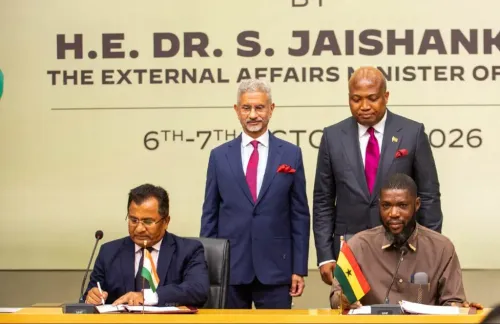
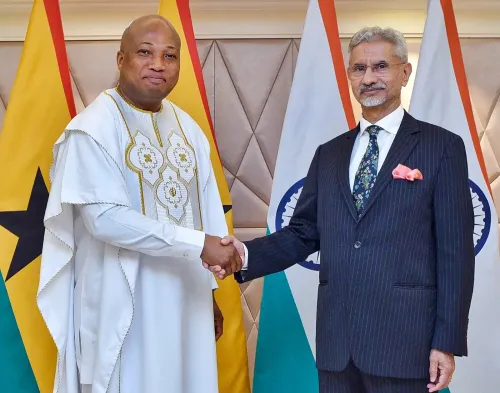
EAM Dr. S. Jaishankar held wide-ranging talks with Ghana FM Samuel Okudzeto Ablakwa on October 7, 2026, covering trade, defence, pharma, and people-to-people ties, while also advancing India's multilateral engagement with the African Union and ECOWAS.
Key Takeaways
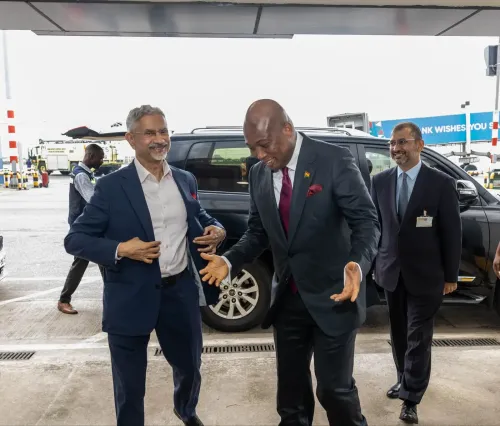
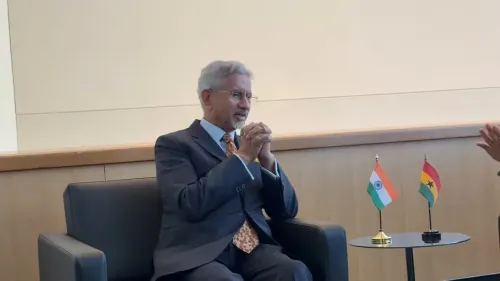
Jaishankar met Ghana Foreign Minister Samuel Okudzeto Ablakwa on October 7, 2026 .
Discussions covered trade, investments, development, pharmaceuticals, capacity building, defence, technology, and people-to-people ties under the framework of a Comprehensive Partnership .
Both sides framed the relationship through the lens of Global South solidarity and shared development aspirations.
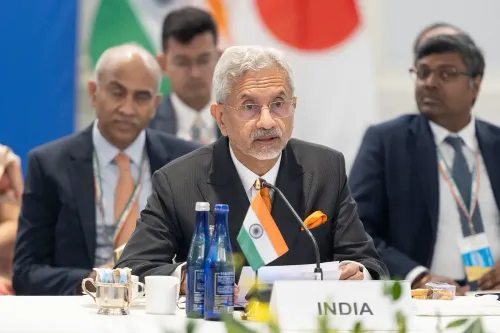
Jaishankar raised deepening India's engagement with the African Union and ECOWAS as a multilateral priority.
Ghana is a founding ECOWAS member and one of West Africa's most stable democracies, making it a strategic anchor for India's continental outreach.
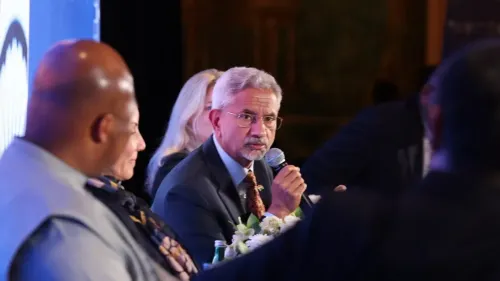
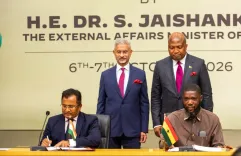
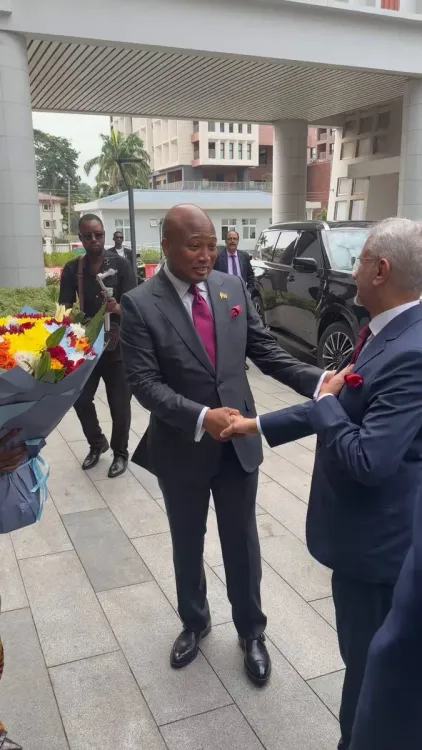
Trade, defence, pharmaceuticals, and a shared Global South identity — Union External Affairs Minister Dr. S. Jaishankar packed an ambitious bilateral agenda into wide-ranging discussions with Ghana's Foreign Minister Samuel Okudzeto Ablakwa on Wednesday, October 7, 2026, signalling India's determination to deepen its footprint across West Africa.
A Comprehensive Partnership with West Africa's anchor democracy
Jaishankar framed the meeting squarely in the language of the Global South — a deliberate signal that both countries see each other as peers in a shifting world order, not donor and recipient. The discussions covered trade, investments, development cooperation, pharmaceuticals, capacity building, defence, technology, and people-to-people ties — essentially the full architecture of what India calls a 'Comprehensive Partnership.' Ghana is one of West Africa's most stable democracies and a significant economic hub in the region, making it a natural anchor for India's continental ambitions.
India's pharmaceutical sector has long had a major presence across Africa, supplying affordable generic medicines that have become a lifeline for many countries. Defence and technology cooperation represent newer but fast-growing pillars — areas where India is increasingly positioning itself as an alternative partner to both Western and Chinese offers. Capacity building, including scholarships and training programmes, has been a quiet but effective instrument of Indian soft power across the continent for decades.
The African Union and ECOWAS: Scaling up multilateral ambition
Perhaps the most strategically significant thread in the meeting was the explicit discussion on deepening India's engagement with the African Union (AU) and the Economic Community of West African States (ECOWAS). India's landmark success in securing the African Union's permanent seat at the G20 during its 2023 presidency gave New Delhi enormous credibility with African partners — and Jaishankar is now working to convert that diplomatic capital into structured institutional partnerships.
ECOWAS, the 15-nation bloc that Ghana is a founding member of, has been navigating significant internal turbulence in recent years with coups in several member states. India's engagement at this multilateral level signals that New Delhi wants durable institutional relationships, not just bilateral transactions.
India's Africa push in a contested geopolitical moment
The timing matters. Africa has become one of the most actively contested geopolitical theatres of the mid-2020s, with multiple external powers seeking influence through infrastructure, security arrangements, and trade deals. India's pitch — rooted in historic solidarity, South-South cooperation, and a non-prescriptive approach — is a deliberate contrast to more transactional or conditionality-heavy models.
For Ghana specifically, India represents a partner that can deliver across medicine, technology, and capacity without demanding political alignment in return — a proposition that carries real weight in Accra's current diplomatic calculus.
The next test will be whether the aspirations mapped in these discussions translate into concrete agreements — and whether India's engagement with AU and ECOWAS structures gains the institutional depth to match the rhetoric of solidarity.
Point of View
Not just countries, a maturation of its Africa strategy. India's Global South framing serves a dual purpose: it builds genuine solidarity with African partners while simultaneously differentiating India from Western powers and China, both of whom are perceived as more transactional. The breadth of sectors discussed — from pharmaceuticals to defence to technology — suggests India is positioning itself as a full-spectrum partner, not a niche one.
NationPress
7 Oct 2026
Frequently Asked Questions
Why did Jaishankar meet Ghana's Foreign Minister in October 2026?
EAM Dr. S. Jaishankar met Ghana FM Samuel Okudzeto Ablakwa on October 7, 2026, to advance the India-Ghana Comprehensive Partnership across trade, defence, pharma, technology, and people-to-people ties, and to discuss multilateral cooperation through the African Union and ECOWAS.
What is India's Comprehensive Partnership with Ghana?
India's Comprehensive Partnership with Ghana is a broad bilateral framework covering trade, investments, development cooperation, pharmaceuticals, capacity building, defence, technology, and people-to-people exchanges — reflecting a full-spectrum strategic relationship.
What is ECOWAS and why does India want to engage with it?
ECOWAS, the Economic Community of West African States, is a 15-nation regional bloc of which Ghana is a founding member. India's engagement with ECOWAS aims to build durable multilateral partnerships in West Africa beyond individual bilateral ties.
How does India's Africa policy fit into its Global South strategy?
India positions its Africa outreach as South-South cooperation among Global South partners, emphasising shared development aspirations and historic solidarity. This approach contrasts with more conditional or transactional models and has gained credibility since India championed the African Union's G20 seat in 2023.
What role do Indian pharmaceuticals play in India-Africa relations?
India is one of Africa's largest suppliers of affordable generic medicines, making the pharmaceutical sector a cornerstone of its engagement across the continent and a key pillar of the India-Ghana partnership discussed in this meeting.