Jaishankar pays tribute to Veer Savarkar on Jayanti
Synopsis
External Affairs Minister Dr. S. Jaishankar marked Veer Savarkar's birth anniversary on 28 May 2026, honouring the independence activist's legacy of patriotism, social reforms, and resolve for national interests — continuing the BJP government's consistent pattern of commemorating non-Congress freedom figures.
Key Takeaways
Union External Affairs Minister Dr.
Jaishankar posted a tribute to Veer Savarkar on his Jayanti, 28 May 2026 .
Vinayak Damodar Savarkar (1883–1966) was an independence activist, writer, and president of the Hindu Mahasabha , imprisoned in the Cellular Jail .
Jaishankar cited Savarkar's 'patriotism, commitment to social reforms and unwavering resolve for furthering national interests.' In 2003 , the NDA government installed Savarkar's portrait in Parliament's Central Hall , formalising his place in the state's official memory.
Since 2014 , BJP-ruled states have included Savarkar in school curricula and named public infrastructure after him.
Annual Jayanti tributes from senior ministers form part of the government's broader effort to recognise non-Congress independence figures.
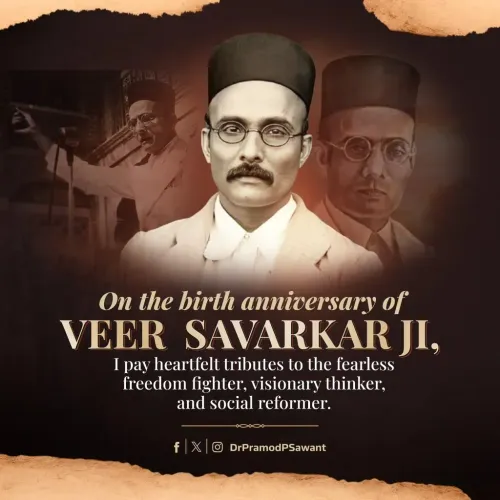
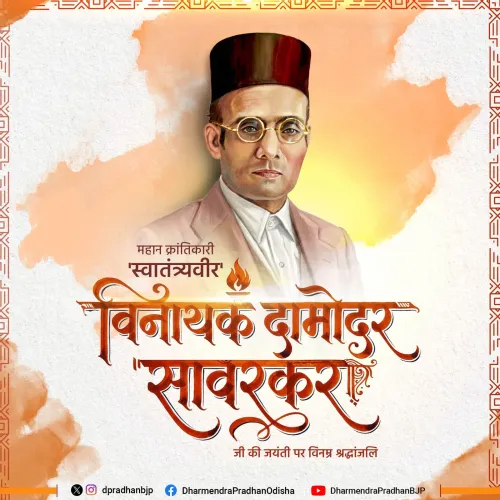
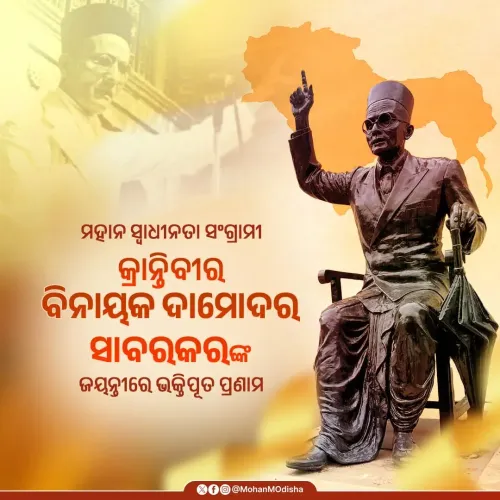
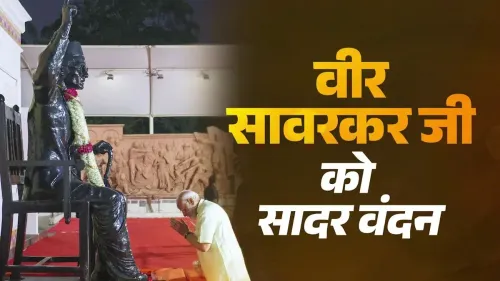
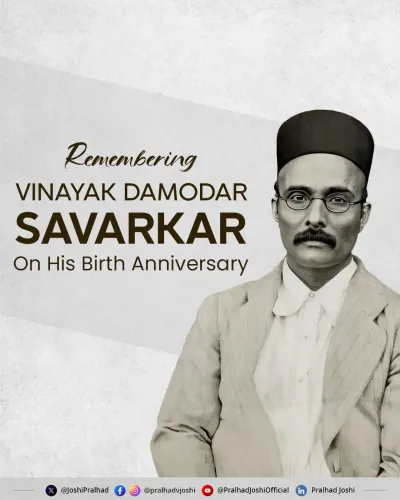
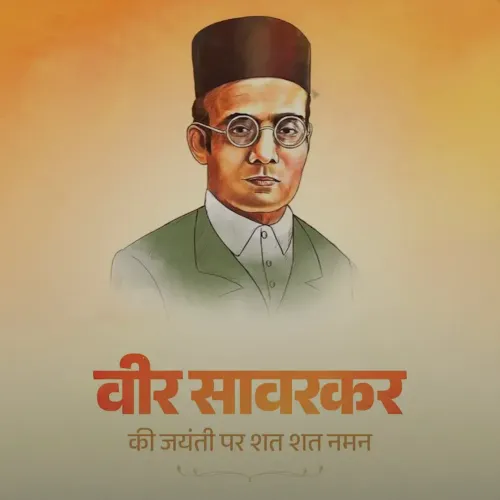
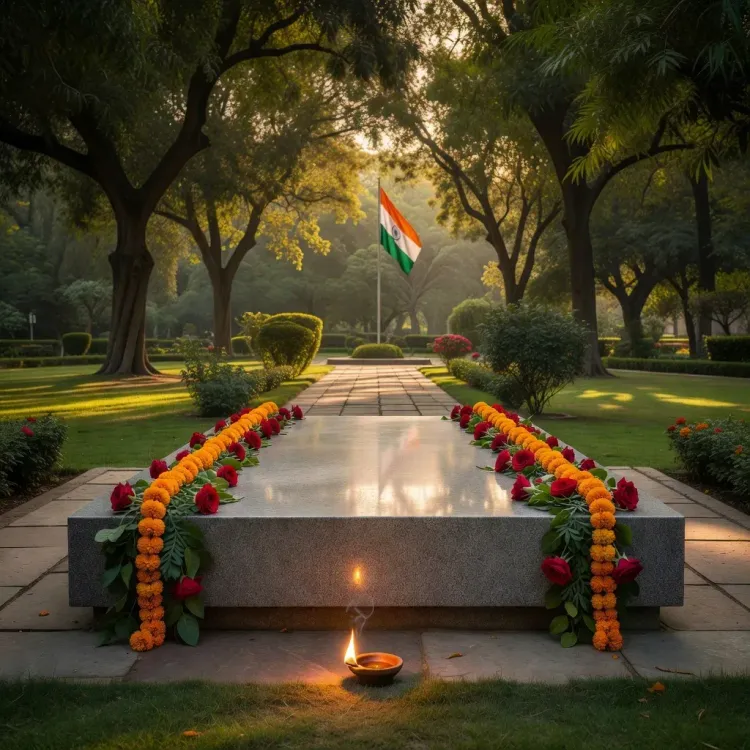
Union External Affairs Minister Dr. S. Jaishankar on Thursday, 28 May 2026 paid his respects to Vinayak Damodar Savarkar, popularly known as Veer Savarkar, on the occasion of the independence activist's birth anniversary, citing his legacy of patriotism, social reforms, and commitment to national interests.
Context
In his post, Dr. Jaishankar wrote: 'Pay respects to Veer Savarkar on his Jayanti. His legacy of patriotism, commitment to social reforms and unwavering resolve for furthering national interests is an inspiration.' The message was shared on the minister's official social media handle on the morning of Savarkar Jayanti, which marks the birth anniversary of Vinayak Damodar Savarkar (28 May 1883).
Savarkar, born in Bhagur, Maharashtra, was a prominent independence activist, prolific writer, and political theorist who spent years as a prisoner in the Cellular Jail in the Andaman and Nicobar Islands — a facility the British colonial administration used for political detainees. He later served as president of the Hindu Mahasabha and remains one of the most debated figures in modern Indian history.
Policy Backdrop
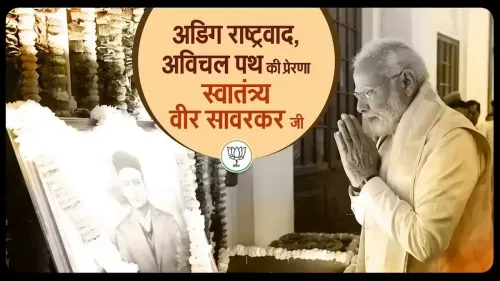
The tribute fits within a consistent pattern of the current dispensation elevating Savarkar as a symbol of assertive nationalism alongside other non-Congress freedom fighters. In 2003, the then NDA government installed a portrait of Savarkar in Parliament's Central Hall, a move that signalled a formal shift in how the state recognised his contribution to the independence movement.
Since 2014, several BJP-ruled states have introduced chapters on Savarkar in school curricula and renamed public infrastructure in his honour. Annual Jayanti messages from senior ministers — including the Prime Minister, Home Minister, and External Affairs Minister — have become a regular feature of the government's commemorative calendar, placing Savarkar alongside figures such as Subhas Chandra Bose and Bhagat Singh in the official nationalist pantheon.
Stakeholders and Impact
For nationalist citizens and BJP supporters, tributes such as this reaffirm the government's commitment to recognising a broader spectrum of India's independence heritage. Savarkar's emphasis on social reform — including his campaigns against caste-based discrimination and untouchability — is frequently cited by his proponents as an underappreciated dimension of his legacy.
Opposition parties have historically contested the scale of official recognition accorded to Savarkar, pointing to his 1911–1924 mercy petitions to British authorities as a matter of historical debate. The Jayanti tribute is likely to draw predictable responses from across the political spectrum, with each side invoking different facets of Savarkar's complex historical record.
What's Next
State-level commemorative events, cultural programmes, and possible curriculum or infrastructure announcements in BJP-governed states are expected in the days surrounding Savarkar Jayanti. The tribute also sets the tone for parliamentary and public discourse on how India's official memory of the independence movement continues to evolve under the present government.
Point of View
The minister signals an effort to broaden Savarkar's appeal beyond core Hindutva constituencies and pre-empt the standard opposition critique. The tribute also reflects the External Affairs Ministry's role in projecting a particular vision of Indian civilisational confidence on the international stage, where Savarkar's assertive nationalism resonates with the government's foreign policy posture. Expect the anniversary to serve as a flashpoint for the recurring parliamentary debate over whose version of the independence movement deserves official canonisation.
NationPress
11 Oct 2026
Frequently Asked Questions
Why is Veer Savarkar Jayanti celebrated on 28 May?
28 May marks the birth anniversary of Vinayak Damodar Savarkar , who was born on this date in 1883 in Bhagur, Maharashtra . The day is observed as Savarkar Jayanti across India, particularly by nationalist organisations and BJP-governed states.
What did Jaishankar say about Veer Savarkar?
Dr. Jaishankar said he pays 'respects to Veer Savarkar on his Jayanti,' describing Savarkar's legacy of 'patriotism, commitment to social reforms and unwavering resolve for furthering national interests' as an inspiration.
Who was Veer Savarkar and what is his significance?
Vinayak Damodar Savarkar (1883–1966) was an independence activist, writer, and Hindutva ideologue who was imprisoned in the Cellular Jail in the Andaman Islands by British authorities. He later served as president of the Hindu Mahasabha and is credited by his proponents with campaigns against caste discrimination and untouchability.
Why is Savarkar controversial in Indian politics?
Savarkar remains a contested figure because of his 1911–1924 mercy petitions to British colonial authorities, which critics argue undermined his credentials as an uncompromising freedom fighter. Supporters counter that his years in the Cellular Jail and his social reform work constitute a significant patriotic legacy.
Has the BJP government officially recognised Veer Savarkar?
Yes. The NDA government in 2003 installed Savarkar's portrait in Parliament's Central Hall . Since 2014 , multiple BJP-ruled states have added Savarkar to school curricula and named public infrastructure after him, reflecting a sustained policy of official recognition.