Africa CDC warns on Ebola responder safety as US worker infected in DRC

Synopsis
A confirmed Ebola infection in a US humanitarian worker in DRC's Bunia has forced a reckoning: at least 112 health responders have been infected and 35 killed in the current outbreak, yet occupational safety gaps persist. With an imported case already logged in France and WHO and Africa CDC chiefs heading to the epicentre on 18 July, the pressure to protect those fighting the outbreak has never been higher.
Key Takeaways
A US humanitarian worker supporting the Bundibugyo Ebola response in Bunia, DRC has been confirmed infected, with the exposure circumstances still under investigation.
At least 112 healthcare workers have been infected and 35 have died in the DRC during the current outbreak, according to Africa CDC data.
France reported an imported Bundibugyo Ebola case last month involving a health worker returning from DRC, marking a cross-border transmission event.
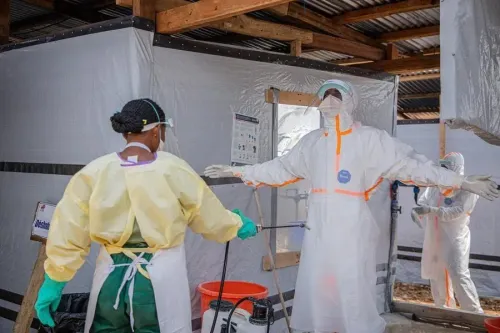
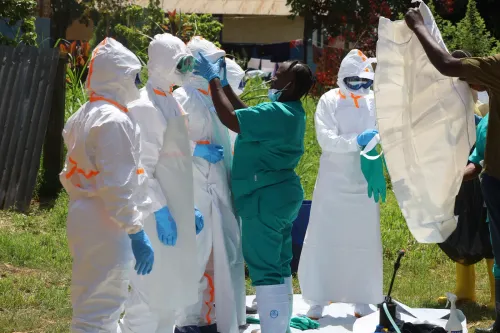
Africa CDC Director-General Jean Kaseya called for reliable protective equipment, infection prevention systems, continuous training, and psychosocial support for all responders.
WHO Director-General Tedros Adhanom Ghebreyesus and Kaseya are scheduled to jointly visit Bunia on 18 and 19 July to accelerate the response.
The Africa Centres for Disease Control and Prevention (Africa CDC) has issued an urgent call to strengthen protections for frontline health responders after a US humanitarian worker supporting the Bundibugyo Ebola outbreak response in the Democratic Republic of the Congo (DRC) was confirmed infected, adding fresh pressure to an already strained containment effort. The warning, issued on 12 July, underscores deepening concerns about occupational safety in one of the world's most active Ebola zones.
Key Developments
The infected worker had been operating in Bunia, the capital of eastern DRC's Ituri Province and the recognised epicentre of the current outbreak. Relevant authorities and the response team have launched an epidemiological investigation, contact tracing, and exposure risk assessments. The exact circumstances of the exposure remain under investigation, according to the Africa CDC.
Notably, this is not an isolated case. Last month, France reported an imported Bundibugyo Ebola case involving a health worker who had previously supported the response in the DRC — signalling that the risk of cross-border transmission via responders is no longer theoretical.
Scale of Responder Infections
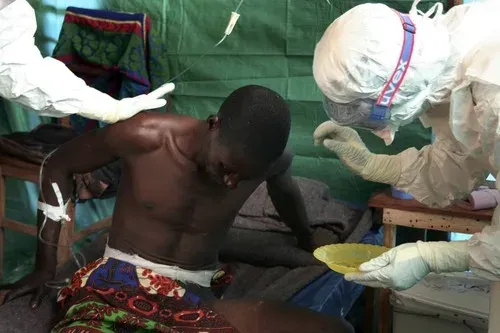
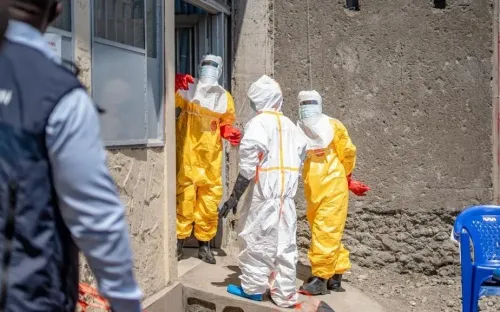
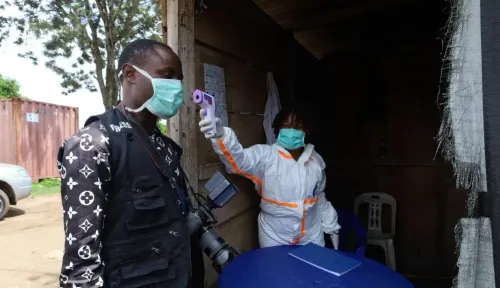
The human toll on the health workforce has been severe. According to the latest data from the Africa CDC, at least 112 healthcare workers have been infected with the Bundibugyo Ebola virus in the DRC, and at least 35 have died. These figures reflect the acute danger faced by those sustaining the response — identifying cases, caring for patients, and shielding affected communities from further spread.
The Africa CDC noted that health workers, humanitarian personnel, volunteers, and operational staff are 'sustaining the response under intense pressure.' The agency emphasised that this pressure must be met with structural safeguards, not just individual precaution.
What the Africa CDC Director-General Said
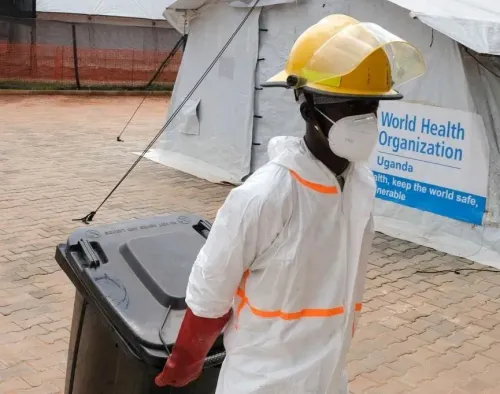
Africa CDC Director-General Jean Kaseya stated: 'Reliable protective equipment, strong infection prevention systems, continuous training, psychosocial support and safe working conditions are essential for every person delivering this response.' The agency called on all organisations operating in affected areas to strengthen occupational safety measures, report suspected exposures and symptoms promptly, and provide continuous support to their personnel.
Joint WHO-Africa CDC Mission Planned
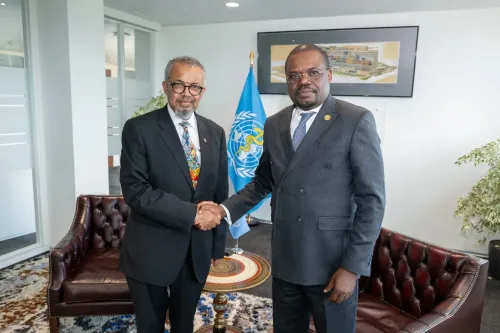
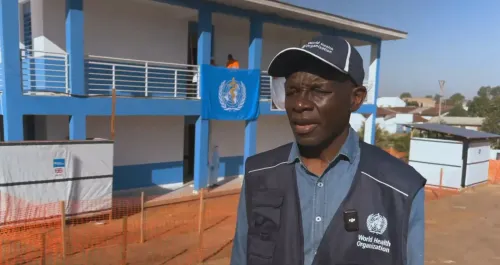
In a significant diplomatic and operational step, Kaseya and World Health Organisation (WHO) Director-General Tedros Adhanom Ghebreyesus are scheduled to jointly visit Bunia on 18 and 19 July. The mission follows a meeting between the two leaders in Geneva, Switzerland, where discussions centred on the Bundibugyo Ebola outbreak in the DRC and Uganda, and on 'urgent action required on the ground,' according to Kaseya. The visit is intended to engage national authorities, frontline health workers, affected communities, and response partners directly.
What Happens Next
The joint field visit by the heads of the WHO and Africa CDC is expected to catalyse faster resource mobilisation and clearer accountability for responder safety. With imported cases now appearing in Europe and a US worker confirmed infected, the international community faces growing pressure to treat Ebola responder protection as a global health security priority, not a local logistics problem.
Point of View
But field visits do not by themselves close the PPE gaps or fix the training deficits that are getting health workers killed. The global health community must ask why, with 35 responders dead, occupational safety protocols are still described as aspirational rather than enforced.
NationPress
12 Jul 2026
Frequently Asked Questions
Who is the US humanitarian worker infected with Ebola in DRC?
The individual is a US humanitarian worker who had been supporting the Bundibugyo Ebola outbreak response in Bunia, the capital of eastern DRC's Ituri Province. The exact circumstances of their exposure remain under investigation by relevant authorities and the response team.
How many health workers have been infected in the DRC Ebola outbreak?
According to the latest data from the Africa CDC, at least 112 healthcare workers have been infected with the Bundibugyo Ebola virus in the DRC, and at least 35 have died. These figures highlight the severe risk faced by frontline responders.
What is the Bundibugyo Ebola virus?
The Bundibugyo Ebola virus is one of several species of the Ebola virus, first identified during an outbreak in Uganda's Bundibugyo district. The current outbreak centred in DRC's Ituri Province is among the most serious in recent years, with the epicentre in Bunia.
Why are WHO and Africa CDC chiefs visiting Bunia in July?
Africa CDC Director-General Jean Kaseya and WHO Director-General Tedros Adhanom Ghebreyesus are scheduled to visit Bunia on 18 and 19 July as part of a joint mission to accelerate the outbreak response. The visit follows a meeting in Geneva focused on urgent action needed on the ground in DRC and Uganda.
Has Ebola spread outside DRC in the current outbreak?
Yes. France reported an imported Bundibugyo Ebola case last month involving a health worker who had supported the response in DRC, indicating that the risk of cross-border transmission via returning responders is a live concern for international health authorities.