Jaishankar Extends Rath Yatra Greetings, Invokes Lord Jagannath
Synopsis
Union External Affairs Minister Dr. S. Jaishankar extended greetings on Rath Yatra on 16 July 2026, invoking Lord Jagannath's blessings for peace, health, happiness, and prosperity. The message reflects India's tradition of cultural inclusivity and the ministry's ongoing diaspora engagement through civilisational occasions.
Key Takeaways
Jaishankar , Union External Affairs Minister, posted Rath Yatra greetings on 16 July 2026 .
He invoked the blessings of Lord Jagannath for peace, health, happiness, and prosperity for all.
Rath Yatra is an annual chariot festival centred at the Jagannath Temple, Puri, Odisha , drawing millions of pilgrims.
Indian ministers routinely issue festival greetings as gestures of cultural inclusivity and diaspora outreach.
The Ministry of External Affairs has made diaspora engagement a consistent foreign policy priority since 2019 .
The message carries relevance for Hindu devotees and Odia diaspora communities worldwide.
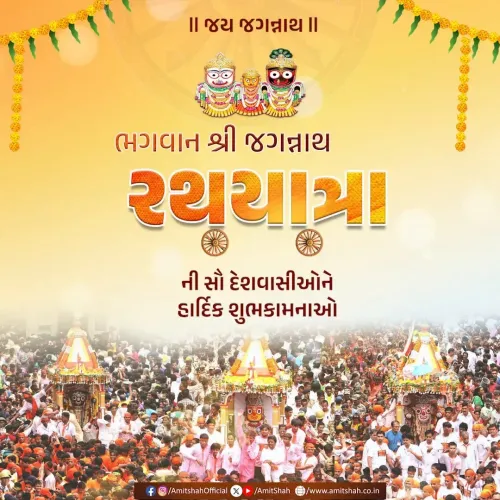
Union External Affairs Minister Dr. S. Jaishankar on Thursday, 16 July 2026 extended warm wishes on the occasion of Rath Yatra, praying that the blessings of Lord Jagannath bring peace, health, happiness, and prosperity to all.
Context
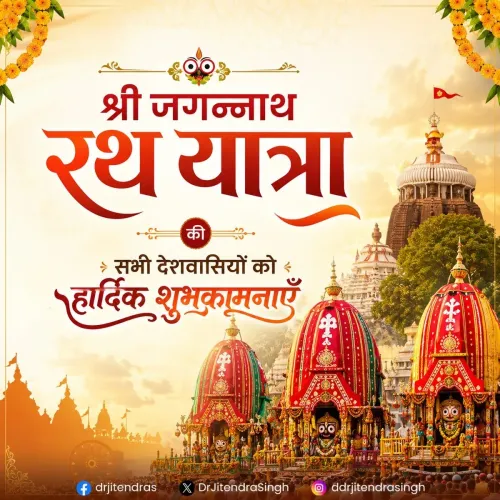
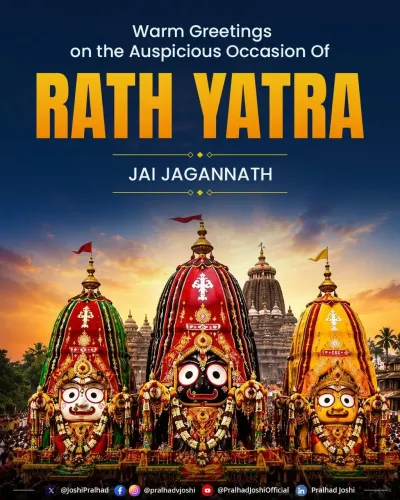
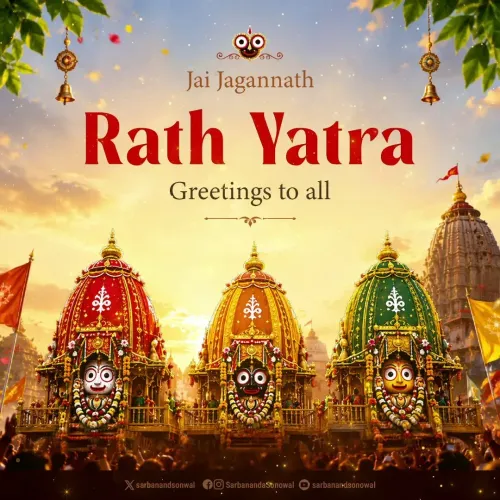
Rath Yatra is one of the most celebrated Hindu festivals in India, centred on the annual chariot procession of Lord Jagannath at the famed Jagannath Temple in Puri, Odisha. The festival draws millions of pilgrims to the coastal city each year and is observed by Hindu communities across the globe. Dr. Jaishankar's message — 'Best wishes on the auspicious occasion of Rath Yatra. May the blessings of Lord Jagannath bring peace, health, happiness, and prosperity for all. Jai Jagannath!' — reflects the reverence the occasion commands among public figures and citizens alike.
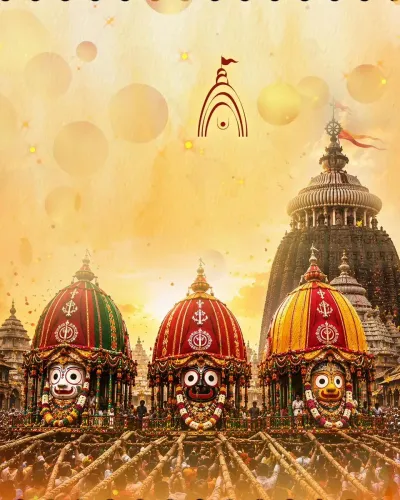
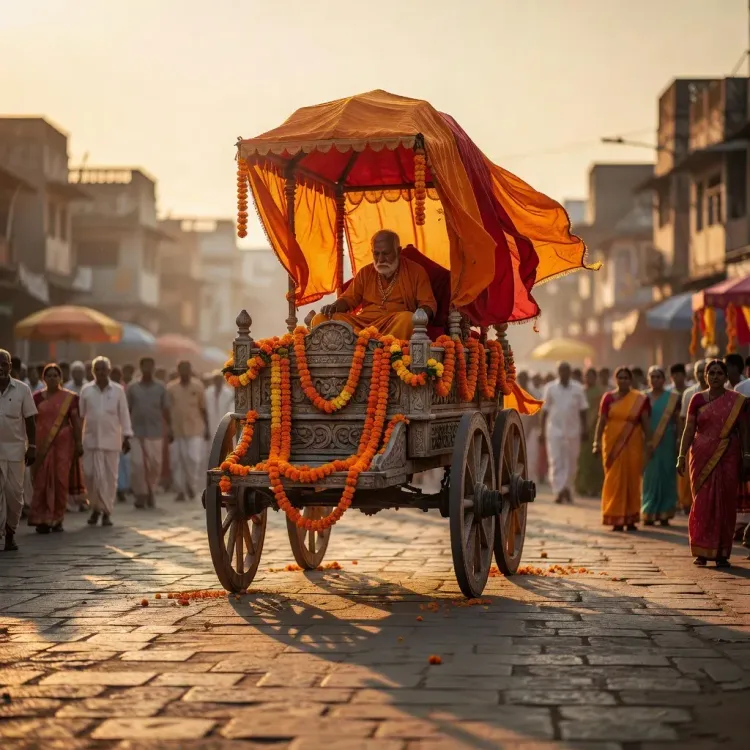
Puri remains the epicentre of the festivities, where the principal procession sees elaborately decorated chariots carrying the deities through the streets amid chants and devotional fervour. The festival holds deep spiritual significance not only for the Odia community but for Hindus across India and the diaspora.
Policy Backdrop
Indian ministers across the political spectrum have long observed the practice of issuing public greetings on major festivals — from Rath Yatra and Diwali to Eid — as a gesture of cultural inclusivity and national unity. For the Ministry of External Affairs, such messages carry an added dimension: they reach Indian diaspora communities settled in countries such as Fiji, Trinidad and Tobago, Mauritius, the United Kingdom, and across Southeast Asia, where Rath Yatra processions have been held for generations.
Under Dr. Jaishankar's tenure as External Affairs Minister since 2019, diaspora engagement has been a consistent pillar of India's foreign policy. Public festival greetings from the minister serve as soft-power signals, reinforcing cultural and civilisational ties between India and its overseas communities.
Stakeholders and Impact
The message resonates most directly with Hindu devotees and the Odia diaspora, for whom Rath Yatra is both a religious event and a marker of cultural identity. Indian missions abroad have, on past occasions, organised cultural events around major Hindu festivals to foster community cohesion among the diaspora.
The greeting also speaks to a broader domestic audience at a time when the government places emphasis on celebrating India's civilisational heritage. By invoking the phrase 'Jai Jagannath' ('Victory to Lord Jagannath'), Dr. Jaishankar aligns with a tradition of public affirmation that transcends regional boundaries, given that devotion to Lord Jagannath is widespread across eastern, northern, and southern India.
What's Next
The annual Rath Yatra observances in Puri are expected to be accompanied by cultural events organised by Indian missions and diaspora associations in various countries, in keeping with the Ministry of External Affairs' diaspora outreach calendar. The festival season also typically sees senior ministers and state governments in Odisha participate in ceremonial activities tied to the procession.
As India's cultural diplomacy continues to deepen, occasions such as Rath Yatra are likely to feature more prominently in the ministry's public communication — reinforcing the link between civilisational pride at home and diaspora identity abroad.
Point of View
Such messages double as soft-power outreach to the Indian diaspora, which celebrates Rath Yatra in countries ranging from Fiji to the United Kingdom. The invocation of 'Jai Jagannath' is also politically resonant given the significance of Odisha as a key state in Indian electoral geography. Taken together, these greetings are less ceremonial formality and more a consistent thread in the government's cultural-diplomatic fabric.
NationPress
15 Oct 2026
Frequently Asked Questions
What is Rath Yatra and why is it significant?
Rath Yatra is an annual Hindu chariot festival celebrating Lord Jagannath, held primarily in Puri, Odisha. It draws millions of pilgrims and is observed by Hindu communities worldwide, making it one of India's most prominent religious events.
Why did Jaishankar post Rath Yatra wishes?
As Union External Affairs Minister, Dr. S. Jaishankar extended Rath Yatra greetings on 16 July 2026, in keeping with the tradition of senior Indian ministers marking major festivals publicly to signal cultural inclusivity and engage the diaspora.
Where is the main Rath Yatra procession held?
The principal Rath Yatra procession takes place in Puri, a coastal city in Odisha, where the Jagannath Temple is located. The festival sees elaborately decorated chariots carrying the deities through the streets.
How does Rath Yatra connect to India's diaspora outreach?
Indian missions abroad have organised cultural events around Rath Yatra for diaspora communities in countries such as Fiji, Mauritius, the United Kingdom, and Trinidad and Tobago, where the festival has been celebrated for generations.
What does 'Jai Jagannath' mean?
'Jai Jagannath' translates to 'Victory to Lord Jagannath' or 'Glory to Lord Jagannath.' It is a devotional chant widely used during the Rath Yatra festival and by devotees of Lord Jagannath across India and the diaspora.