Jal Shakti Minister CR Paatil Reviews JJM Progress
Synopsis
Union Jal Shakti Minister C. R. Paatil conducted a detailed review of Jal Jeevan Mission progress on September 29, 2026, sharing a video glimpse on X. The flagship scheme, launched in 2019, aims to deliver tap water connections to every rural household in India.
Key Takeaways
Union Jal Shakti Minister C.
Paatil conducted a detailed progress review of Jal Jeevan Mission works on September 29, 2026 .
The Jal Jeevan Mission was launched in 2019 to provide functional household tap connections to all rural households in India.
The Ministry of Jal Shakti was created in 2019 by merging drinking water and water resources functions.
Implementation is executed at the state level through state water departments under central oversight.
State-wise coverage figures and any revised timelines for full rural tap water coverage remain the key metrics to watch.
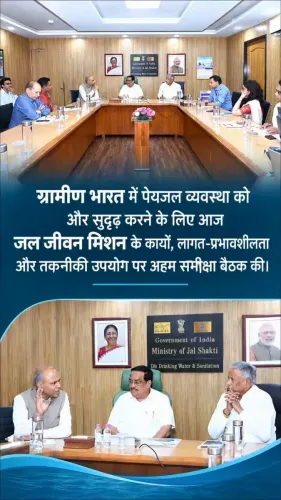
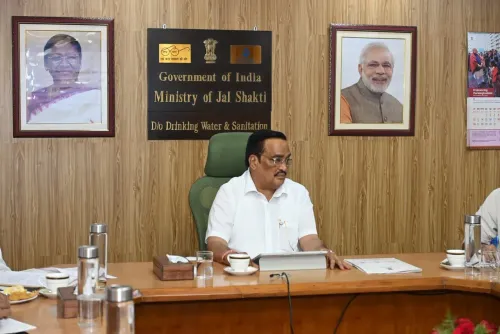
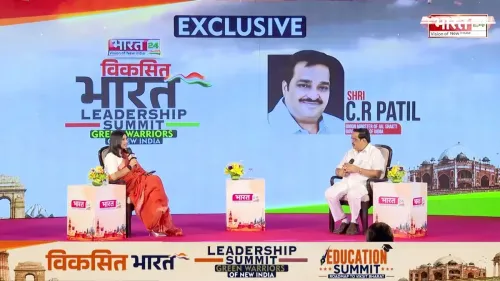
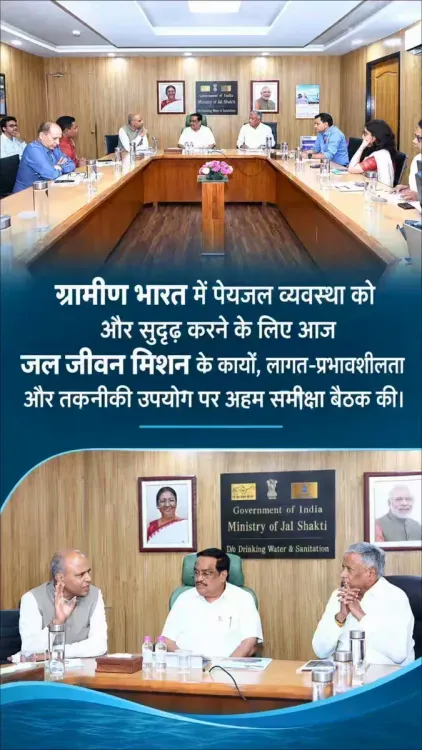
Keeping tabs on one of India's most ambitious rural infrastructure drives, Union Jal Shakti Minister C. R. Paatil on Tuesday, September 29, 2026 conducted a detailed review of ongoing works under the Jal Jeevan Mission — and shared a glimpse of the proceedings on X.
Paatil posted in Hindi: 'Aaj Jal Jeevan Mission ke antargat chal rahe vibhinn karyon ki pragati ki vistrit samiksha ki, ek jhalak' — translated: 'Today, a detailed review of the progress of various works ongoing under the Jal Jeevan Mission was conducted — a glimpse.' The accompanying video offered a window into the administrative machinery steering this flagship programme.
What Jal Jeevan Mission is trying to finish
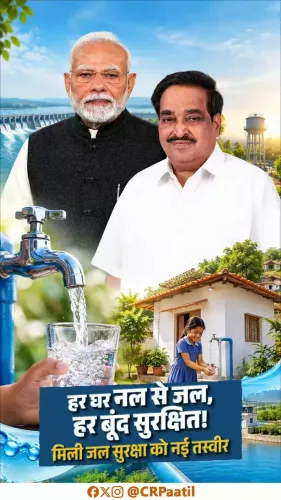
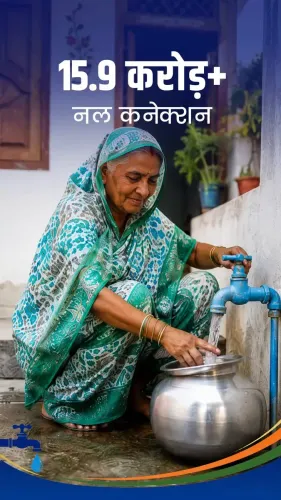
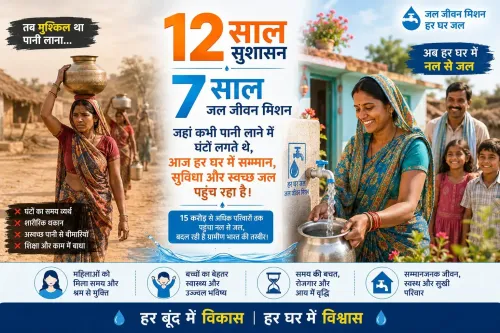
Launched in 2019, the Jal Jeevan Mission set out with a single, clear goal: deliver functional household tap connections for drinking water to every rural home in India. The programme operates as a centrally sponsored scheme, with the Ministry of Jal Shakti — itself created in 2019 by merging drinking water and water resources portfolios — driving implementation through state water departments.
The scale is staggering. Rural India's water supply challenge has persisted across successive governments and schemes, making the mission's state-by-state execution one of the most closely watched infrastructure rollouts in the country. State-level coverage data and any revised timelines for full rural coverage remain the key metrics to track going forward.
Why ministerial reviews matter at this stage
Routine but consequential — that is the nature of progress reviews at this level. With works spread across thousands of villages and multiple state governments executing on the ground, periodic ministerial oversight helps course-correct delays, unblock funding, and flag coverage gaps before they harden into statistics. Paatil, a senior BJP leader and former Gujarat BJP state president, has been the political face of the Ministry's accountability push.
The broader pattern here is consistent: the Ministry of Jal Shakti has made structured review cycles a visible part of its governance posture, using public communication to signal administrative seriousness to both state partners and citizens waiting for a tap at home.
The next report card — state-wise coverage figures and any updated targets — will tell the real story of how close rural India is to water at every doorstep.
Point of View
Visible progress on JJM is politically significant in states where rural water access remains a lived grievance. The real test will come when aggregated state-wise coverage data is released — numbers that will either validate the review culture or expose its limits.
NationPress
29 Sept 2026
Frequently Asked Questions
What is the Jal Jeevan Mission?
The Jal Jeevan Mission is a central government flagship scheme launched in 2019 to provide functional household tap connections for drinking water to every rural household in India. It is implemented by the Ministry of Jal Shakti in partnership with state governments.
What did CR Paatil do on September 29, 2026?
Union Jal Shakti Minister C. R. Paatil conducted a detailed review of ongoing works under the Jal Jeevan Mission and shared a video glimpse of the proceedings on X.
What is the Jal Shakti Ministry?
The Ministry of Jal Shakti was created in 2019 by merging the former ministries of drinking water and sanitation, and water resources, river development and Ganga rejuvenation. It oversees rural water supply schemes including the Jal Jeevan Mission.
What is the target of the Jal Jeevan Mission?
The Jal Jeevan Mission was launched with the target of delivering piped drinking water connections to all rural households in India. The scheme works through state-level execution with central funding and oversight.