Jal Shakti Minister Paatil Chairs Mahanadi Water Talks With Odisha, Chhattisgarh CMs
Synopsis
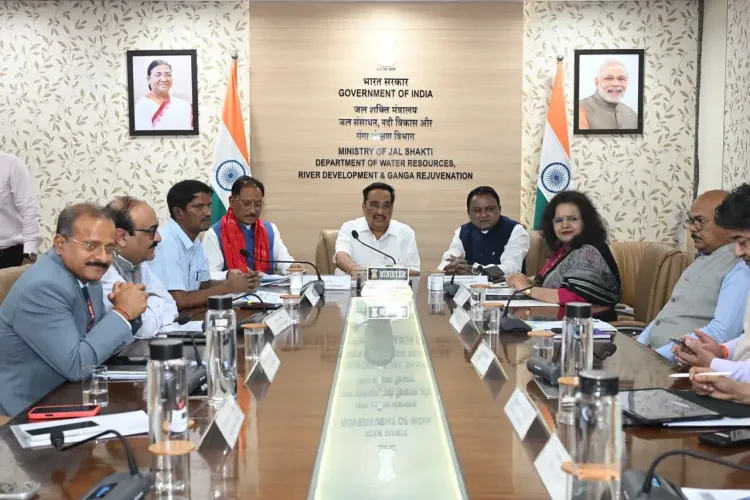
Union Minister of Jal Shakti C R Paatil on 30 July 2026 chaired a high-level meeting in New Delhi with the Chief Ministers of Odisha and Chhattisgarh. Both states reaffirmed commitment to dialogue for an amicable resolution of the long-running Mahanadi water-sharing dispute, with no formal tribunal reference announced.
Key Takeaways
Union Minister C R Paatil chaired a tripartite meeting in New Delhi on 30 July 2026 on Mahanadi water sharing.
Both Odisha and Chhattisgarh reaffirmed commitment to resolving the dispute through dialogue and cooperation.
The Mahanadi originates in Chhattisgarh and is critical for Odisha's delta agriculture, making upstream projects a persistent flashpoint.
India's central government prefers facilitated dialogue over immediate tribunal adjudication under the Inter-State River Water Disputes Act .
The PMO and the Department of Water Resources were both formally tagged, signalling high institutional involvement.
No concrete outcomes or timelines were officially confirmed from the July 2026 meeting; a technical committee or tribunal reference remains a possible next step.
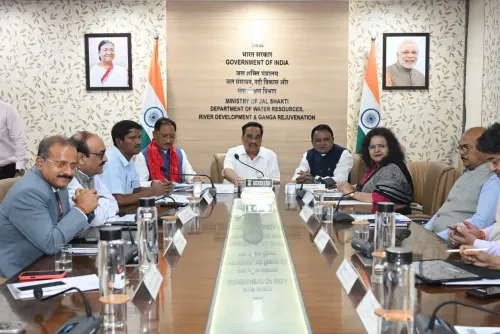
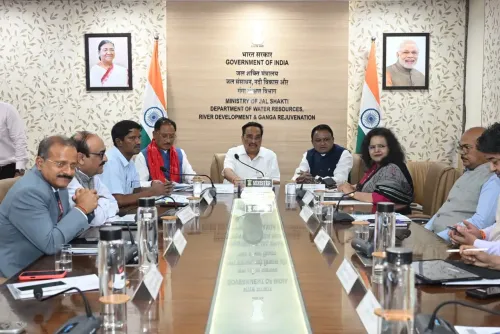
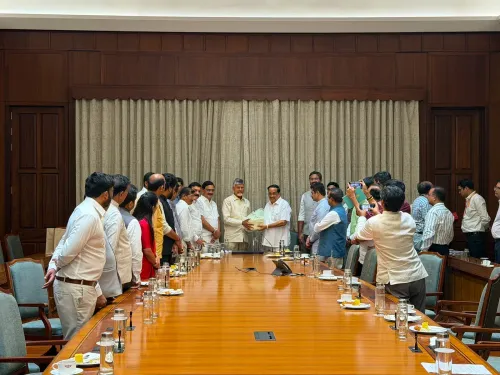
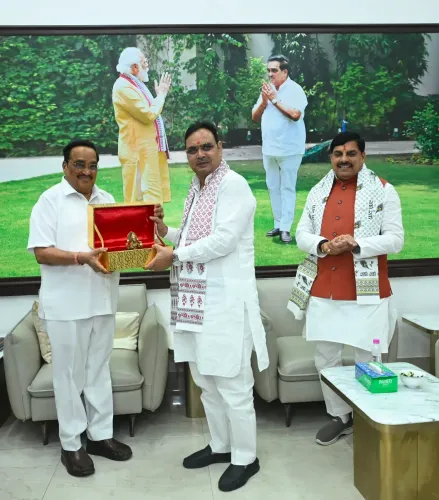
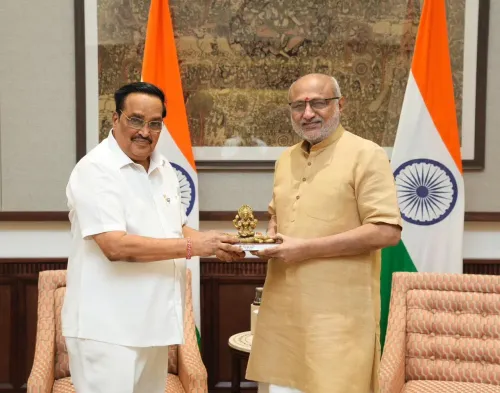
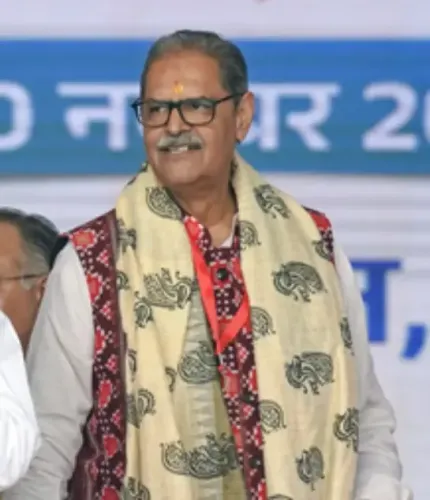
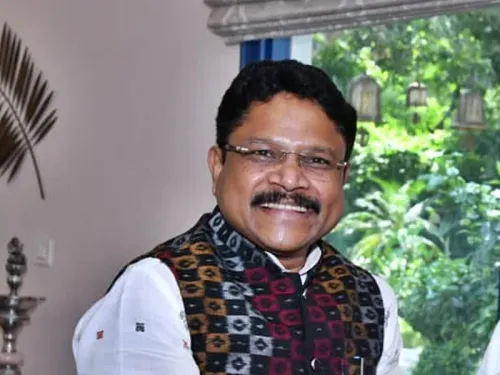
A river that feeds millions of farmers — and has divided two states for years — was back at the negotiating table on Thursday, 30 July 2026. Union Minister of Jal Shakti C R Paatil chaired a high-level meeting in New Delhi with the Chief Ministers of Odisha and Chhattisgarh to address the long-running dispute over the sharing and management of Mahanadi waters, the Chief Minister's Office of Odisha announced.
The three-way meeting, convened by the Ministry of Jal Shakti, brought together the two riparian states in a format designed to keep dialogue — not litigation — at the centre. Both states, according to the official readout, 'reaffirmed their commitment to resolving the matter through dialogue and constructive cooperation for an amicable, mutually beneficial and lasting solution.'
Why the Mahanadi Dispute Has Defied Easy Resolution
The Mahanadi originates in Chhattisgarh and flows eastward through Odisha before emptying into the Bay of Bengal — a geography that makes upstream decisions in one state immediately felt downstream in the other. The dispute sharpened after Chhattisgarh's formation in 2000, as the newer state accelerated dam and barrage construction on the upper river, triggering Odisha's concerns about reduced flows to its delta, one of the most agriculturally productive regions in eastern India.
Odisha's farmers and its state irrigation department have long argued that upstream storage projects in Chhattisgarh reduce the volume of water reaching the delta during critical kharif (monsoon crop) and lean seasons. Chhattisgarh, for its part, maintains its right to develop water resources within its territory for its own agricultural and drinking-water needs.
Central Facilitation Under Cooperative Federalism
India's preferred mechanism for interstate river disputes is central facilitation — convening the parties under the broad framework of the Inter-State River Water Disputes Act — before escalating to a formal tribunal reference. Today's meeting fits squarely in that tradition. Similar central-government-brokered engagements have been held on the Krishna and Godavari basins, reflecting a consistent policy preference for negotiated settlements over adversarial adjudication.
The involvement of the PMO and the Department of Water Resources, River Development and Ganga Rejuvenation — both tagged in the post — signals that the meeting carried institutional weight beyond a routine bilateral conversation.
What Follows the Handshake
No concrete outcomes or timelines from the 30 July meeting have been officially confirmed. The key watch-point now is whether the ministry moves toward constituting a technical committee to quantify flows and water-use data — a step that typically precedes any binding framework — or whether a formal tribunal reference comes back on the table if dialogue stalls again.
For the millions of farmers in the Mahanadi basin on both sides of the state line, the stakes are not abstract: they are measured in irrigation cycles, groundwater levels, and the next harvest. A durable solution here would set a template for how India manages its increasingly contested shared rivers in an era of erratic monsoons and rising demand.
Point of View
The political conditions for a negotiated settlement are arguably more favourable now than at any earlier point in the dispute's history, which the Centre appears to be leveraging. Yet the absence of announced outcomes suggests the technical and hydrological gaps remain wide. The real test is whether this round of talks produces a data-sharing framework or a joint technical body — without that institutional scaffolding, ministerial handshakes tend to dissolve between monsoons.
NationPress
30 Jul 2026
Frequently Asked Questions
What is the Mahanadi water dispute between Odisha and Chhattisgarh?
The Mahanadi dispute centres on Chhattisgarh's construction of dams and barrages on the upper river, which Odisha argues reduces water flows to its delta region. The conflict intensified after Chhattisgarh was carved out as a separate state in 2000.
Who chaired the Mahanadi water talks on 30 July 2026?
Union Minister of Jal Shakti C R Paatil chaired the high-level meeting in New Delhi, attended by the Chief Ministers of both Odisha and Chhattisgarh.
Has any solution been agreed upon for the Mahanadi dispute?
No concrete outcomes or timelines were officially confirmed from the 30 July 2026 meeting. Both states reaffirmed commitment to dialogue, but no binding agreement or tribunal reference was announced.
What is the role of the Ministry of Jal Shakti in interstate river disputes?
The Ministry of Jal Shakti facilitates dialogue between disputing states under the Inter-State River Water Disputes Act framework, preferring negotiated settlements before referring matters to a formal tribunal.
Why is the Mahanadi important for Odisha?
The Mahanadi is critical for irrigation and drinking water across Odisha's delta, one of eastern India's most agriculturally productive regions. Reduced upstream flows directly affect the kharif crop cycle and groundwater levels for millions of farmers.