Jal Shakti Minister Paatil Champions Recharge Wells for Water Security
Synopsis
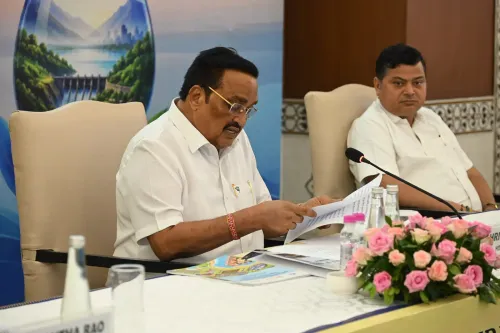
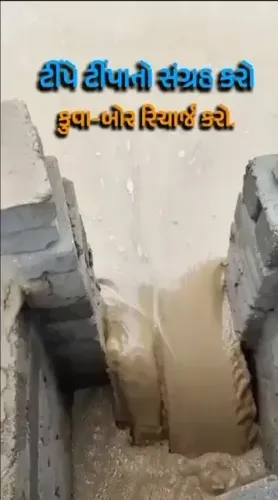
Union Jal Shakti Minister C. R. Paatil shared a video of a rainwater recharge well on 3 August 2026, calling it a symbol of scientific water conservation and a step toward ensuring water security for future generations of India.
Key Takeaways
Union Jal Shakti Minister C.
Paatil shared a video of a functioning rainwater recharge well on 3 August 2026 .
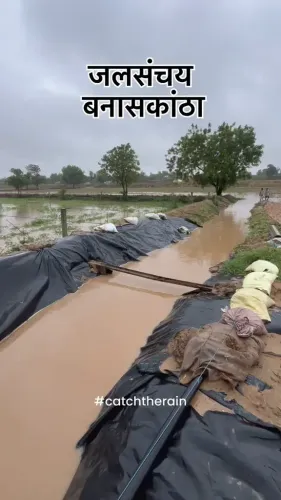
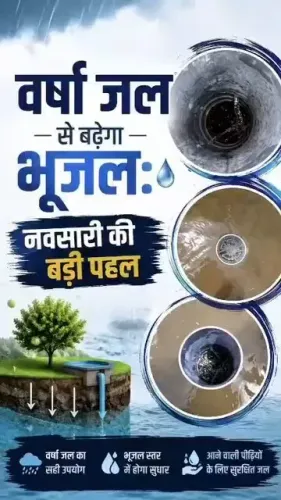
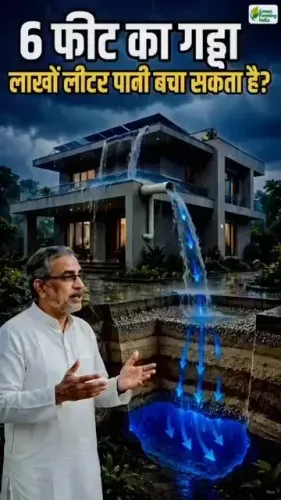
Paatil described the structure as 'not merely a structure, but a powerful symbol of the scientific thinking behind water conservation.' Recharge wells filter rainwater before channelling it back into the groundwater table, helping replenish depleted aquifers.
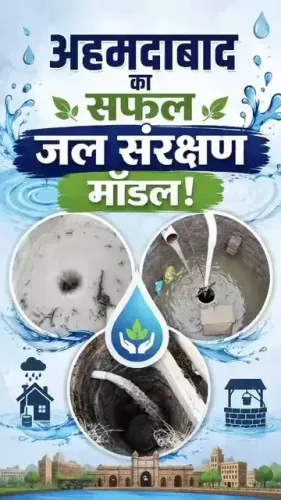
The Atal Bhujal Yojana , launched in 2019 , is the central government's flagship scheme for sustainable groundwater management across seven water-stressed states.
The Central Ground Water Board tracks aquifer health data that will indicate whether such recharge efforts are producing measurable results.
A single well. A nation's water future. Union Jal Shakti Minister C. R. Paatil on Monday, 3 August 2026, shared a video of a recharge well in action — and turned it into a sharp reminder of what India's groundwater crisis demands: science, structure, and scale.
Posting in Hindi, Paatil described the recharge well as 'not merely a structure, but a powerful symbol of the scientific thinking behind water conservation.' The process, he explained, filters rainwater and channels it back into the groundwater table — a step he called critical to ensuring water security for future generations. 'Conserving every drop,' he wrote, 'strengthens the resolve of a water-prosperous India.'
Why Recharge Wells Matter in India's Groundwater Crisis
India draws more groundwater annually than any other country on earth — and the deficit is accelerating. Declining water tables in agricultural belts across Punjab, Rajasthan, Haryana, Gujarat, Karnataka, Madhya Pradesh, and Uttar Pradesh have pushed millions of farmers and rural households toward deeper, costlier borewells. Artificial recharge structures — wells, pits, and check dams that intercept rainwater before it runs off — are among the most cost-effective tools available to reverse that trend. The Atal Bhujal Yojana, launched in 2019 under the Jal Shakti Ministry, is the central government's flagship response: a community-driven scheme targeting water-stressed blocks across seven states with recharge infrastructure and demand-side management. Paatil's post signals continued ministerial emphasis on the scheme's on-ground implementation.The Science Behind the Well in the Video
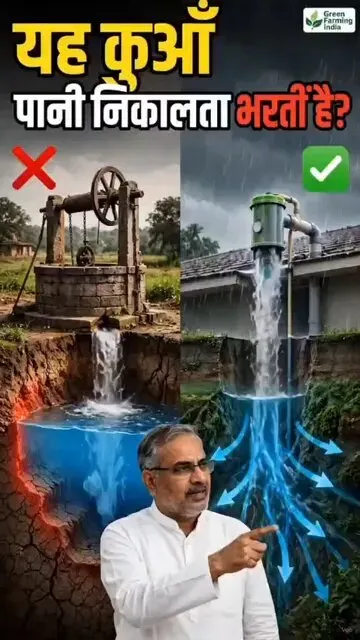
A recharge well is deceptively simple in concept and demanding in execution. Rainwater — carrying silt, debris, and surface pollutants — is passed through a filtration layer before being directed into a perforated casing sunk into the aquifer. Done correctly, it replenishes the same underground reservoir that millions of handpumps and borewells draw from. Done poorly, it can contaminate the aquifer. The minister's emphasis on the 'scientific thinking' behind the structure points to the filtration design as the critical differentiator. The Central Ground Water Board periodically assesses aquifer health across India's districts; state-level rollout reports of similar structures will be a key indicator of whether schemes like Atal Bhujal Yojana are translating into measurable recharge gains.Point of View
Forward-looking priority rather than a reactive crisis measure. It fits a broader pattern of the BJP government anchoring water policy in scheme-linked narratives, particularly around Atal Bhujal Yojana, ahead of potential assessment cycles. The emphasis on 'future generations' is also politically significant: it positions water stewardship as a long-term governance legacy, not a short-term relief measure. Watch for whether this post precedes a formal policy announcement or data release from the Central Ground Water Board.
NationPress
3 Aug 2026
Frequently Asked Questions
What is a rainwater recharge well and how does it work?
A rainwater recharge well captures surface rainwater, passes it through a filtration layer to remove silt and pollutants, and directs it into the underground aquifer through a perforated casing — effectively refilling the groundwater reservoir that borewells and handpumps draw from.
What is the Atal Bhujal Yojana?
The Atal Bhujal Yojana is a central government scheme launched in 2019 under the Jal Shakti Ministry to promote sustainable groundwater management through community participation and artificial recharge measures in water-stressed blocks across seven Indian states.
Why is groundwater depletion a serious problem in India?
India is the world's largest user of groundwater, and decades of over-extraction — especially for agriculture — have caused water tables to fall sharply in states like Punjab, Rajasthan, Haryana, and Gujarat, threatening drinking water access and farm productivity for millions.
Who is C. R. Paatil?
C. R. Paatil is the Union Minister of Jal Shakti, a senior BJP leader, and a former president of the BJP's Gujarat state unit. His ministry oversees water resources, river development, and groundwater management policy across India.
What role does the Central Ground Water Board play in water conservation?
The Central Ground Water Board periodically assesses aquifer health and groundwater levels across India's districts, providing the data that guides both central schemes like Atal Bhujal Yojana and state-level groundwater regulation.