Jal Shakti Minister Paatil hails Heval River revival in Tehri Garhwal
Synopsis
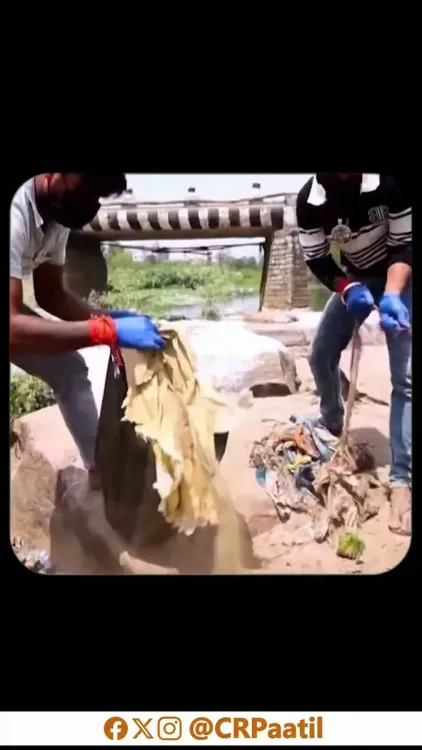
Union Jal Shakti Minister C. R. Paatil praised a grassroots campaign in Tehri Garhwal, Uttarakhand, where villagers and local administration revived the Heval River and dozens of natural springs through rainwater harvesting, percolation works, and plantation drives.
Key Takeaways
Union Jal Shakti Minister C.
Paatil shared on 25 October 2026 how the Heval River in Tehri Garhwal, Uttarakhand was brought back to life by a community-led initiative.
The river had been experiencing declining water levels, and surrounding natural springs were drying up before the campaign began.
Interventions included rainwater harvesting structures , groundwater percolation works, and large-scale plantation drives by villagers and the district administration.
The effort has also contributed to the revival of dozens of natural springs in the surrounding area.
The Heval revival aligns with the Centre's Jal Shakti Abhiyan , launched in 2019 , which promotes spring rejuvenation and catchment treatment across Indian states.
Minister Paatil attributed credit to Prime Minister Narendra Modi , citing his emphasis on water stewardship and cleanliness as a citizen's responsibility.
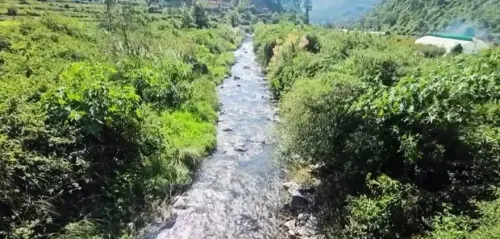
A river that was quietly dying in the Himalayan ridges of Tehri Garhwal, Uttarakhand is flowing again — and Union Jal Shakti Minister C. R. Paatil wants the country to notice. On Sunday, 25 October 2026, the minister shared the story of the Heval River revival on X, crediting the collective will of local villagers and district administration for pulling a water body back from the brink.
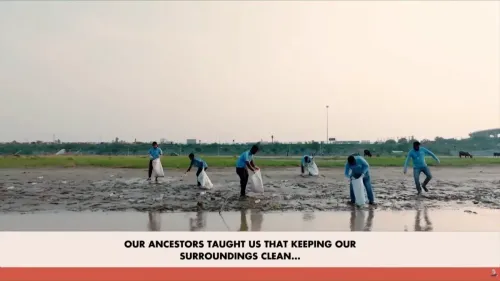
Writing in Hindi, Paatil invoked an old ethic: 'apne aaspaas swachhata rakhna, jal sroton ki dekhbhal karna' — 'keeping our surroundings clean and caring for water sources is our own responsibility.' He attributed the lesson to ancestors, then pointed to Tehri Garhwal as living proof that the ethic still holds.
What was happening to the Heval
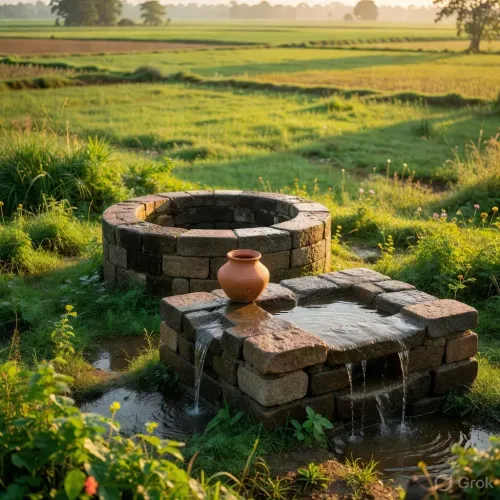
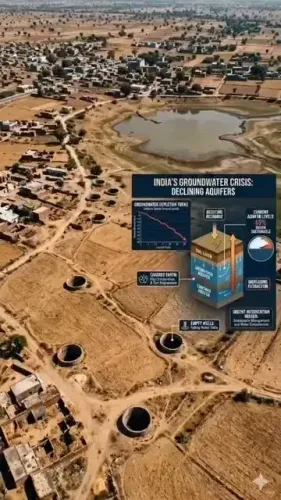
The minister described how, not long ago, the Heval River had begun to shrink — water levels falling, the natural springs that feed it drying up one by one. In the hill districts of Uttarakhand, this pattern is common: forest degradation, reduced groundwater recharge, and erratic monsoons conspire to push smaller rivers toward seasonal irrelevance.
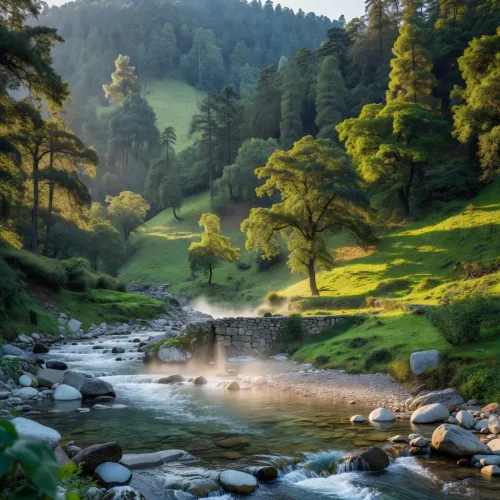
The Heval, a tributary that winds through the middle Himalayan terrain of Tehri Garhwal, was headed in that direction. The communities along its banks faced the prospect of losing not just a river, but their primary water supply.
How the village and administration turned it around
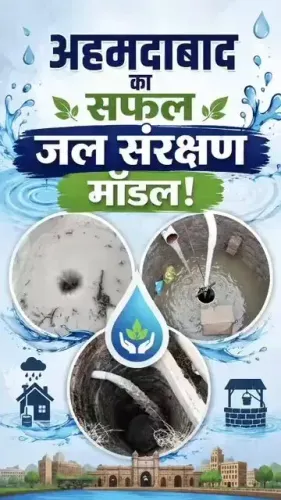
According to the post, the turnaround came through a coordinated effort between local villagers and the district administration. Three interventions defined the campaign: structures to arrest and store rainwater, earthworks to drive percolation back into the ground, and large-scale plantation drives to restore vegetative cover on the catchment slopes.
The cumulative result, Paatil says, is a revived Heval River — and, crucially, the reawakening of dozens of natural springs in the surrounding area. The minister attributed the credit to Prime Minister Narendra Modi, tagging him in the post.
A local story inside a national push
The Heval effort fits squarely within a broader architecture that the Centre has been building since 2019, when the Jal Shakti Abhiyan was launched to push rainwater harvesting, spring rejuvenation, and catchment treatment across states. Uttarakhand, with its thousands of traditional naulas (stone-lined springs) and glacial tributaries, has been an active theatre for this work.
Community-driven spring-shed management, check-dam construction, and afforestation sit at the heart of these interventions — exactly the tools that the Tehri Garhwal communities deployed on the Heval. Larger programmes like Namami Gange dominate the headlines, but ministers in the Jal Shakti portfolio have consistently argued it is the smaller, invisible revivals that determine whether rural India actually has water security.
Whether the Heval model gets formally documented and replicated under state action plans — or cited in future Jal Shakti Ministry reviews as a replicable template — is the next question worth watching.
One river, a handful of villages, and a conviction that water stewardship belongs to everyone: that is the story Paatil wants the country to carry forward.
Point of View
Community-owned water revival stories as political proof-of-concept for the Jal Shakti Abhiyan's grassroots model. By tagging Prime Minister Modi, Paatil reinforces the narrative that the national water mission is bearing fruit at the village level — not just in big-ticket projects like Namami Gange. The framing around ancestral duty also subtly anchors conservation in cultural identity, making it harder to contest politically. The key policy question is whether these anecdotal successes translate into documented, scalable protocols that state governments can replicate in other water-stressed Himalayan districts.
NationPress
25 Oct 2026
Frequently Asked Questions
What is the Heval River and where is it located?
The Heval River is a Himalayan river flowing through the Tehri Garhwal district of Uttarakhand in northern India. It had been experiencing declining water flow before a community-led revival campaign was undertaken by local villagers and the district administration.
How was the Heval River revived in Tehri Garhwal?
According to Union Jal Shakti Minister C. R. Paatil, the Heval River was revived through a combination of rainwater harvesting structures to arrest runoff, earthworks to improve groundwater percolation, and large-scale plantation drives to restore vegetative cover on the catchment slopes.
What is the Jal Shakti Abhiyan and how does it relate to the Heval revival?
The Jal Shakti Abhiyan is a Central Government campaign launched in 2019 to promote rainwater harvesting, spring rejuvenation, and catchment area treatment across Indian states. The community-led Heval River restoration effort in Tehri Garhwal mirrors the methods and spirit the Abhiyan encourages in hilly districts.
Why did C. R. Paatil tag PM Modi in the Heval River post?
Paatil tagged Prime Minister Narendra Modi to credit his leadership in championing water conservation and community responsibility for natural water sources — themes central to the Jal Shakti Abhiyan and Namami Gange programmes.
What happened to the natural springs near the Heval River?
Before the revival campaign, dozens of natural springs in the area surrounding the Heval River were drying up. The community-led interventions — rainwater harvesting, percolation works, and plantation — helped rejuvenate those springs alongside restoring the river itself, according to the minister's post.