PM Modi lauds Uttarakhand villagers for reviving Heval River in Mann Ki Baat
Synopsis
In the 139th episode of Mann Ki Baat, Modi spotlighted how villagers in Uttarakhand's Tehri Garhwal revived the Heval River through rainwater retention, groundwater recharge, and mass sapling plantation — framing grassroots conservation as both a cultural duty and a model for the nation, just days before Diwali and Chhath Puja.
Key Takeaways
PM Narendra Modi addressed the 139th episode of Mann Ki Baat on 25 October 2026 .
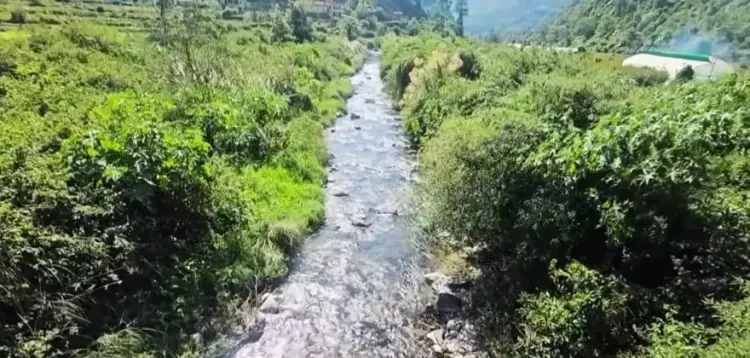
He praised residents of Tehri Garhwal, Uttarakhand , who partnered with local administration to revive the near-depleted Heval River .
The revival effort involved rainwater conservation , improved groundwater absorption , and large-scale sapling plantation .
Modi said the campaign helped revive dozens of natural water sources alongside the river itself.
He linked the spirit of community conservation to upcoming festivals — Diwali and Chhath Puja — urging citizens to keep their surroundings clean.
Prime Minister Narendra Modi on Sunday, 25 October 2026, praised the collective efforts of citizens across India to protect natural water sources and maintain cleanliness, singling out communities in Uttarakhand's Tehri Garhwal district for their role in reviving the near-depleted Heval River. The Prime Minister made these remarks during the 139th episode of his monthly radio programme, 'Mann Ki Baat'.
The Heval River Revival
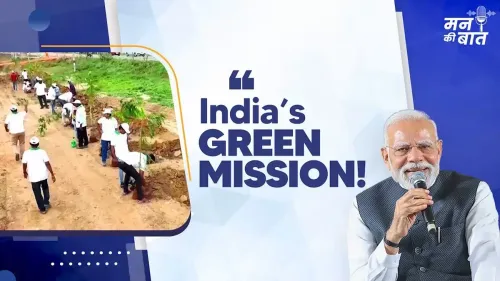
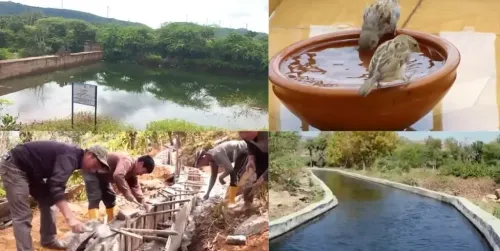
Modi described how residents of villages near the Heval River in Tehri Garhwal, working in coordination with the local administration, launched a sustained campaign after the river's water levels began falling and nearby natural water sources started drying up. The Prime Minister highlighted three core interventions: retaining rainwater, improving groundwater absorption, and planting saplings in large numbers to increase green cover.
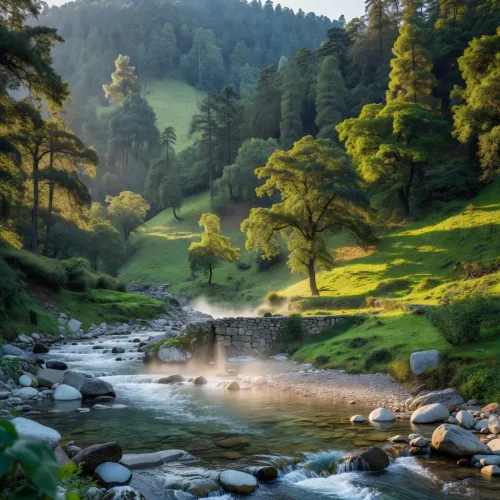
'People have come together to revive a river. This river is Heval. A few years ago, water levels in Heval began to fall; nearby natural water resources were also drying up. The local administration and the people of the village together ran a campaign to save the Heval River,' Modi said. He added that as a result, 'the Heval River has got a new lease of life, and it has also helped revive dozens of natural water sources.'
Nature Conservation as a Cultural Value
Modi framed environmental stewardship not as a modern policy imperative but as a continuation of India's ancestral traditions. 'We have a long-standing tradition of respecting nature. Our ancestors taught us that keeping our surroundings clean and caring for water sources is our own responsibility,' he said. He expressed satisfaction at the growing awareness among communities about water conservation and cleanliness.
Notably, this is not the first time Mann Ki Baat has served as a platform to spotlight grassroots environmental initiatives — Modi has regularly used the programme to amplify citizen-led conservation efforts, underlining the Centre's broader Swachh Bharat and water-security messaging.
Link to Upcoming Festivals
The Prime Minister also drew a direct connection between community environmental action and the collective spirit on display during India's major festivals. With Diwali and Chhath Puja approaching in the coming days, he noted that cleanliness campaigns were being organised at various locations. 'It is important that no matter where we live, we keep those places clean. Our small efforts can only bring big changes around us,' he said.
'When society unites with such a spirit, then the guarantee of change becomes certain,' Modi added, urging citizens to carry the momentum of community-driven environmental care into the festive season.
Broader Significance
The Heval River example is emblematic of a wider challenge facing Himalayan river systems, where deforestation, erratic rainfall, and reduced snowmelt are reducing water availability in communities that depend on these sources for drinking water and agriculture. Community-led watershed management, as demonstrated in Tehri Garhwal, is increasingly cited by policymakers and researchers as a cost-effective complement to large-scale infrastructure projects. The Centre's public endorsement of such local models signals continued emphasis on decentralised, participatory conservation as part of its environmental governance approach.
As the festive season arrives, the government's messaging around cleanliness and environmental responsibility is expected to intensify, with Chhath Puja in particular placing visible public spotlight on the cleanliness of riverbanks and water bodies.
Point of View
But spotlighting individual community wins also risks obscuring the structural pressures — deforestation, climate variability, upstream extraction — that are drying up Himalayan rivers in the first place. The timing, ahead of Diwali and Chhath, is deliberate: riverbank cleanliness during Chhath is politically and symbolically loaded, and the Prime Minister is pre-emptively framing it as a civic duty rather than a government failure. The bigger question is whether community-level watershed management receives sustained institutional support beyond a Mann Ki Baat mention.
NationPress
25 Oct 2026
Frequently Asked Questions
What did PM Modi say about the Heval River in Mann Ki Baat?
PM Modi praised villagers in Uttarakhand's Tehri Garhwal district for reviving the Heval River, which had been facing declining water levels. Speaking during the 139th episode of Mann Ki Baat on 25 October 2026, he described how residents and the local administration ran a joint campaign involving rainwater retention, groundwater recharge, and mass sapling plantation, ultimately helping revive dozens of natural water sources alongside the river.
Where is the Heval River located?
The Heval River is located in the Tehri Garhwal district of Uttarakhand in northern India. It had been experiencing declining water levels until a community-led conservation campaign, highlighted by PM Modi, helped restore it.
What is Mann Ki Baat and how often does PM Modi address it?
Mann Ki Baat is Prime Minister Narendra Modi's monthly radio programme, broadcast on All India Radio, in which he addresses the nation on issues of public interest. The episode on 25 October 2026 was its 139th edition.
What steps were taken to revive the Heval River?
According to PM Modi's account in Mann Ki Baat, the revival involved three key measures: retaining rainwater, improving the absorption of water into the ground, and planting large numbers of saplings to increase green cover. These efforts were carried out jointly by local villagers and the district administration in Tehri Garhwal.
Why did PM Modi mention Diwali and Chhath Puja in his Mann Ki Baat address?
PM Modi connected environmental conservation with the upcoming festivals of Diwali and Chhath Puja, noting that cleanliness campaigns were already being organised across the country ahead of the celebrations. He urged citizens to keep their surroundings clean, saying 'our small efforts can only bring big changes around us.'