CM Dhami Hails PM Modi's Mann Ki Baat Praise for Hewal River Revival
Synopsis
Uttarakhand CM Pushkar Singh Dhami welcomed PM Modi's Mann Ki Baat recognition of the Hewal River revival in Tehri Garhwal, pledging to transform water conservation into a state-wide people's movement for future generations.
Key Takeaways
PM Narendra Modi praised the community-led revival of the Hewal River in Tehri Garhwal on his Mann Ki Baat radio programme.
CM Pushkar Singh Dhami called the national recognition a matter of pride for all of Uttarakhand on 25 October 2026 .
The Uttarakhand government has committed to making water conservation a people's movement to secure natural water sources for future generations.
The recognition aligns with the Namami Gange programme (launched 2014 ) and the Jal Jeevan Mission ( 2019 ), both of which target river and spring sustainability.
Mann Ki Baat has a track record of accelerating replication of local conservation models by drawing national policy attention to grassroots successes.
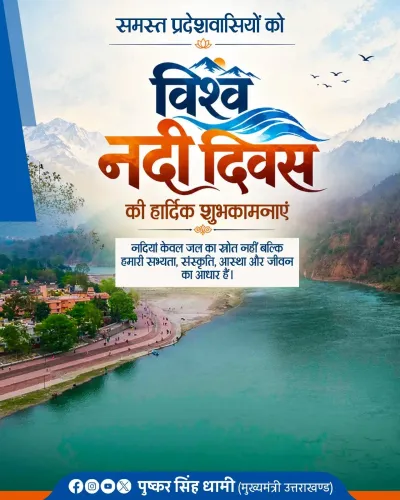
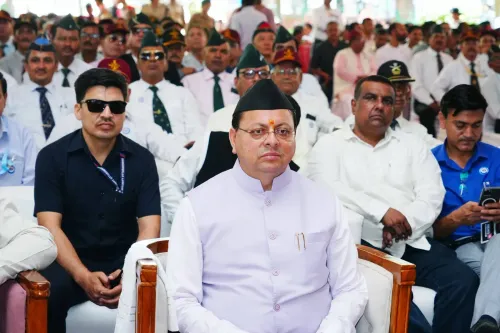
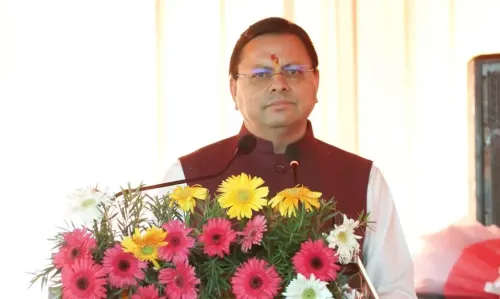
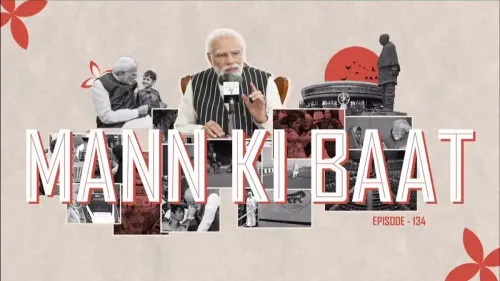
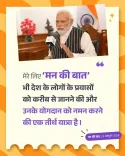
When Prime Minister Narendra Modi spotlights a small Himalayan river on his nationally broadcast Mann Ki Baat programme, it sends a signal far beyond the riverbank. Uttarakhand Chief Minister Pushkar Singh Dhami on Sunday, 25 October 2026, welcomed the Prime Minister's public recognition of the community-driven revival of the Hewal River in Tehri Garhwal, calling it a moment of pride for every resident of the state.
Dhami wrote that Modi had praised 'स्थानीय लोगों एवं प्रशासन द्वारा किए गए सामूहिक प्रयास' — 'the collective efforts of local people and administration' — in reviving the Hewal, a river that threads through one of Uttarakhand's most ecologically significant districts. The Chief Minister framed the national recognition as validation that citizen-led water conservation had arrived at the mainstream policy conversation.
The Hewal River and Tehri Garhwal's Water Challenge
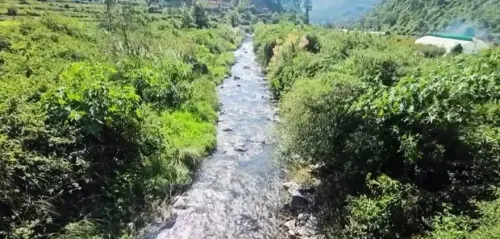
The Hewal River flows through Tehri Garhwal district, a region whose water systems have come under mounting pressure from deforestation, erratic monsoons, and upstream land-use changes over decades. Community-driven spring and river rejuvenation — where local residents, village councils, and district administration work together to restore natural recharge zones — has emerged as the most effective ground-level response to these pressures in the Himalayan belt.
Uttarakhand sits at the headwaters of some of India's most critical river systems. What happens to its springs and tributaries reverberates downstream across the plains, making conservation work here a national-interest issue, not merely a local one.
Mann Ki Baat as a Policy Megaphone
PM Modi's monthly Mann Ki Baat radio address has functioned since its launch as a platform to surface local success stories and nudge wider adoption. When the programme highlights a specific initiative — a village's water revival, a community forest, a cooperative — it typically accelerates replication: district administrations take note, central scheme budgets align, and media attention follows.
The Hewal River revival fits a pattern that Indian policy has actively cultivated since 2014. The Namami Gange programme, launched that year, extended national attention to Ganga tributaries including those originating in Uttarakhand. The Jal Jeevan Mission, announced in 2019, reinforced source sustainability as a pillar of rural water security — precisely the kind of intervention that a river like the Hewal requires.
Dhami's Pledge: Water Conservation as a People's Movement
CM Dhami went further than congratulations. He committed his government to turning water conservation into what he called a 'जनआंदोलन' — a 'people's movement' — to protect natural water sources for future generations. The language of movement, rather than scheme or project, is deliberate: it positions conservation as a civic duty shared across communities rather than a programme delivered from above.
He also restated the state's broader environmental ambition: a 'clean, green, and prosperous Uttarakhand' built on the preservation of rivers, natural springs, and forests under what he described as the Prime Minister's continuous guidance.
The Hewal River's moment in the national spotlight may be brief — but for a mountain state whose economy, agriculture, and identity are inseparable from its water, it marks the kind of recognition that turns local resolve into durable policy momentum.
Point of View
The recognition is doubly valuable: it strengthens his environmental credentials in a state where ecology and economy are tightly bound, and it keeps Uttarakhand favourably positioned within the BJP's national development narrative ahead of future electoral cycles. The framing of water conservation as a 'people's movement' rather than a government scheme also reflects a deliberate shift in political communication — one that distributes credit broadly while anchoring leadership at the top.
NationPress
25 Oct 2026
Frequently Asked Questions
What is the Hewal River and where is it located?
The Hewal River flows through Tehri Garhwal district in Uttarakhand, a Himalayan region whose rivers and springs feed major river systems downstream across northern India.
What did PM Modi say about the Hewal River on Mann Ki Baat?
PM Narendra Modi praised the collective efforts of local communities and district administration in reviving the Hewal River, highlighting it as a model of citizen-led water conservation on his Mann Ki Baat programme.
What is Mann Ki Baat?
Mann Ki Baat is a monthly radio address by Prime Minister Narendra Modi that highlights grassroots achievements, public initiatives, and inspiring stories from across India to encourage nationwide replication.
What national water schemes support river revival in Uttarakhand?
The Namami Gange programme , launched in 2014 , targets the Ganga and its tributaries including those in Uttarakhand, while the Jal Jeevan Mission , announced in 2019 , promotes sustainable rural water sources — both directly relevant to efforts like the Hewal revival.
What has CM Dhami pledged on water conservation in Uttarakhand?
CM Pushkar Singh Dhami pledged to transform water conservation into a mass people's movement, committing the state government to protecting rivers, natural springs, and forests for future generations as part of building a clean, green, and prosperous Uttarakhand.