CM Yogi Hails PM Modi's Mann Ki Baat Mention of Basti River Revival
Synopsis
Uttar Pradesh Chief Minister Yogi Adityanath praised Prime Minister Modi for spotlighting the community-led Manorama river revival in Basti on Mann Ki Baat, honouring local volunteer Akash Gupta and his team for their grassroots water conservation effort built on public cooperation and voluntary labour.
Key Takeaways
CM Yogi Adityanath publicly praised PM Narendra Modi for mentioning the Manorama river rejuvenation on Mann Ki Baat on 31 May 2026 .
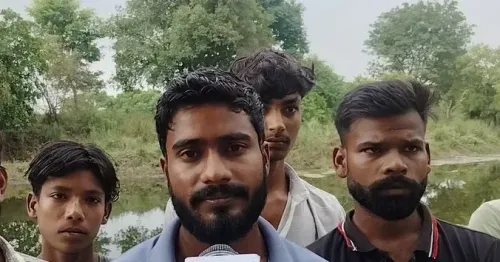
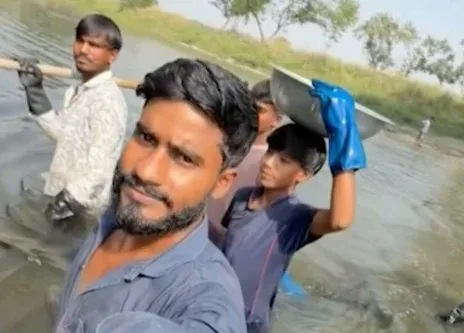
Akash Gupta and local volunteers in Basti district , eastern Uttar Pradesh, led the river revival through voluntary labour and community contribution.
The initiative was guided by the principle of 'shikayat nahin, shuruaat' — 'not complaint, but a beginning.' Mann Ki Baat , launched in October 2014 , is a key national platform for amplifying grassroots citizen initiatives.
The effort aligns with the Namami Gange programme , which promotes public participation in Ganga basin river restoration.
The Basti model of community-led water conservation could serve as a template for replication across other Uttar Pradesh districts.
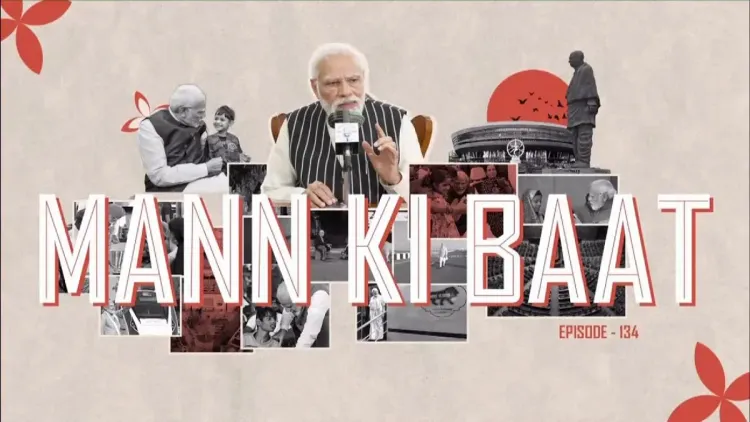
Uttar Pradesh Chief Minister Yogi Adityanath on Sunday, 31 May 2026 praised Prime Minister Narendra Modi for highlighting the community-led revival of the Manorama river in Basti district during the latest episode of Mann Ki Baat, calling the recognition deeply inspiring and a matter of pride for the entire state.
Context
In his post, CM Yogi expressed that the Prime Minister's mention of the Manorama river rejuvenation effort in Basti was 'samast pradeshwasiyon ke liye atyant prernadayi evam gaurav ka vishay' — 'extremely inspiring and a matter of pride for all residents of the state.' The Chief Minister specifically acknowledged Akash Gupta and his associates, who spearheaded the initiative through voluntary labour, public contribution, and collective resolve.
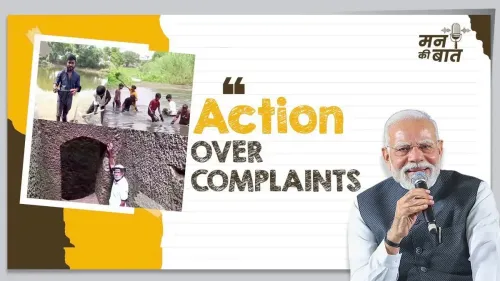
The revival effort was described as embodying the principle of 'shikayat nahin, shuruaat' — 'not complaint, but a beginning' — a phrase that underscores citizen-led action over institutional dependence. CM Yogi thanked the Prime Minister for encouraging such environmental and water conservation initiatives.
Policy Backdrop
Mann Ki Baat, launched in October 2014, is a weekly radio address by the Prime Minister designed to spotlight grassroots achievements and citizen participation across India. The programme has consistently served as a national amplification platform for local environmental, sanitation, and social initiatives.
The Manorama river rejuvenation aligns with the broader framework of the Namami Gange programme, approved in 2014–15, which emphasises public participation in reviving the Ganga basin and its tributaries. Basti, located in eastern Uttar Pradesh, falls within this ecological catchment area, and community-driven tributary restoration has been a recurring theme in the programme's outreach.
Stakeholders and Impact
The primary beneficiaries of the Manorama river revival are residents of Basti district, who depend on the river and surrounding water bodies for agriculture, daily use, and ecological balance. The voluntary model — combining jan sahyog (public cooperation), shramdaan (voluntary labour), and samuhik sankalp (collective resolve) — demonstrates a replicable template for community-driven environmental action.
Akash Gupta and his team of local volunteers have been recognised as the driving force behind the effort. National recognition through Mann Ki Baat is expected to draw further attention to the initiative and potentially inspire similar grassroots movements in other districts of Uttar Pradesh and beyond.
What's Next
The spotlight cast by both Mann Ki Baat and CM Yogi's public acknowledgement raises the prospect of the Uttar Pradesh government extending technical or financial support to scale the Basti model to other river-restoration projects across the state. Whether this recognition translates into a formal policy push — such as a state-level jan bhagidari scheme for river rejuvenation — remains to be seen.
If the Manorama model is adopted more widely, it could become a benchmark for low-cost, community-anchored water conservation in the Ganga basin, reinforcing the intersection of grassroots environmental action and national governance priorities.
Point of View
The communication strategy humanises policy, a technique the Prime Minister has long deployed on Mann Ki Baat. The broader arc points toward an intensifying effort to convert community environmental wins into durable political capital in eastern Uttar Pradesh.
NationPress
16 Sept 2026
Frequently Asked Questions
What is the Manorama river revival project in Basti?
The Manorama river revival is a community-led effort in Basti district , Uttar Pradesh, where local volunteers led by Akash Gupta rejuvenated the river through voluntary labour, public cooperation, and collective resolve. The project was highlighted by Prime Minister Modi on Mann Ki Baat on 31 May 2026 .
Why did CM Yogi praise PM Modi for Mann Ki Baat?
CM Yogi Adityanath thanked PM Narendra Modi for mentioning the Manorama river rejuvenation in Basti on Mann Ki Baat, saying the recognition was 'extremely inspiring and a matter of pride' for all residents of Uttar Pradesh.
What is Mann Ki Baat and when was it started?
Mann Ki Baat is a weekly radio address by Prime Minister Narendra Modi , launched in October 2014 , that highlights citizen-led initiatives and grassroots achievements from across India.
Who is Akash Gupta in the Manorama river project?
Akash Gupta is a local individual from Basti district , Uttar Pradesh, recognised for mobilising volunteers and leading the community-driven revival of the Manorama river through voluntary labour and public contribution.
How does the Manorama revival connect to Namami Gange?
The Manorama river flows in Basti district in the Ganga basin catchment area. The community-led revival model aligns with the Namami Gange programme , approved in 2014–15 , which emphasises public participation in restoring the Ganga and its tributaries.