CM Dhami Marks World River Day, Urges Uttarakhand to Protect Its Sacred Rivers
Synopsis
On World River Day 2026, Uttarakhand Chief Minister Pushkar Singh Dhami urged state residents to pledge clean, free-flowing rivers, linking conservation to the cultural and religious identity of Devbhoomi and crores of Indians downstream.
Key Takeaways
World River Day falls on the last Sunday of September; CM Dhami's message was posted on September 27, 2026 .
Dhami framed rivers as 'the foundation of civilisation, culture, faith, and life' — not merely a water source.
Uttarakhand is the headwater state for the Ganga and Yamuna , making its river health consequential for hundreds of millions downstream.
The CM called for a three-part pledge: rivers kept clean, water sources protected, and water used judiciously.
The appeal echoes the language and goals of India's Namami Gange programme , launched in 2015 , of which Uttarakhand is a key upstream partner.
The post links faith-based mobilisation with environmental conservation, a pattern increasingly common in Himalayan state governance.
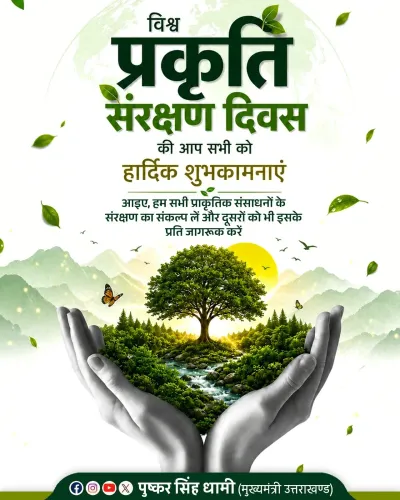
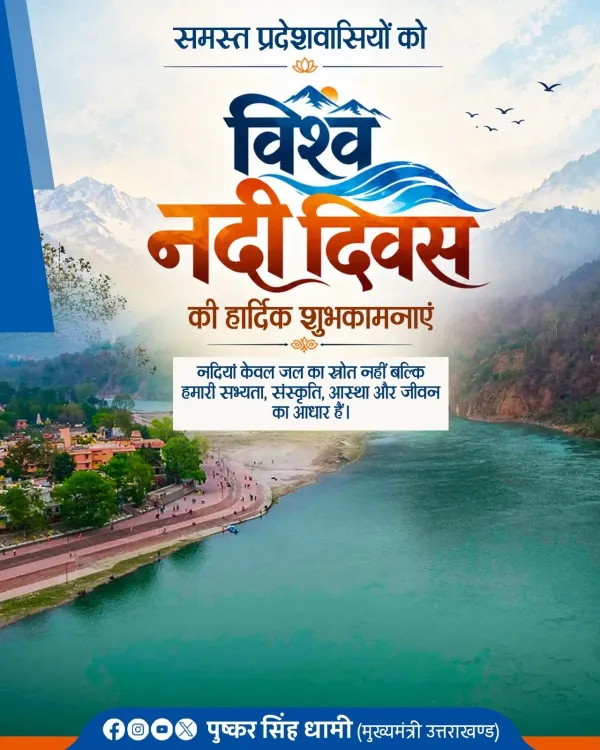
On World River Day, Sunday, September 27, 2026, Uttarakhand Chief Minister Pushkar Singh Dhami called on every resident of the state to renew their commitment to keeping the region's rivers clean, uninterrupted, and revered — framing conservation not as bureaucratic duty but as a civilisational obligation.
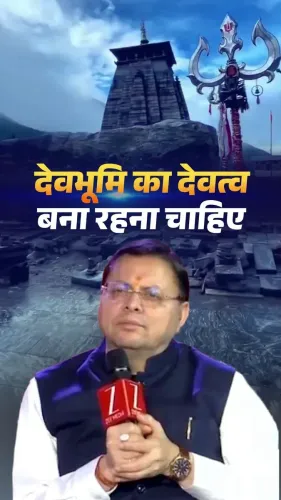
Posting in Hindi, CM Dhami wrote: 'नदियां केवल जल का स्रोत नहीं, बल्कि हमारी सभ्यता, संस्कृति, आस्था और जीवन का आधार हैं' — 'Rivers are not merely a source of water; they are the foundation of our civilisation, culture, faith, and life.' He specifically highlighted that many of Uttarakhand's rivers are inseparable from the identity of the state and the faith of crores of Indians.
Devbhoomi's Rivers: Where Faith and Geography Converge
Uttarakhand, reverently called Devbhoomi ('Land of the Gods'), is the headwater state for some of India's most sacred rivers, including the Ganga and the Yamuna, both of which originate in its high Himalayan glaciers. For hundreds of millions of Indians downstream, these rivers are not geography — they are living deities. That makes the ecological health of Uttarakhand's river systems a matter with consequences stretching across the subcontinent.
Dhami's message called for a collective pledge on three fronts: keeping rivers swachh, nirmal aur aviral (clean, pure, and free-flowing); protecting water sources at their origin; and practising 'wise and judicious use' of water at every level. The three-part framing mirrors the language embedded in India's Namami Gange programme, launched in 2015, which has anchored Ganga rejuvenation efforts — including pollution abatement and riverfront development — across the basin states, with Uttarakhand as a critical upstream partner.
Conservation Tied to Culture, Not Just Policy
The Chief Minister's appeal deliberately threads together the ecological and the emotional. By invoking culture, faith, and future generations in a single breath, Dhami echoes a broader political strategy seen across Himalayan states: mobilising public will for river conservation by anchoring it in devotion rather than regulation alone. It is a frame that has historically drawn wider participation than technical policy mandates.
World River Day is observed on the last Sunday of September each year, providing governments and communities a globally recognised moment to spotlight freshwater ecosystems. For a state like Uttarakhand — where glacial retreat, sand mining pressures, and hydropower development have all placed river systems under stress — the occasion carries sharper urgency than in most places.
Whether Sunday's message is followed by fresh state-level conservation schemes or enforcement steps will be the real measure. The pledge has been made; the rivers are watching.
Point of View
Keeping the BJP's ecological-cultural brand intact. The message is symbolically potent but carries real weight only if translated into enforcement action against encroachments, sand mining, and untreated effluents that continue to stress the same rivers being honoured today.
NationPress
27 Sept 2026
Frequently Asked Questions
When is World River Day celebrated?
World River Day is observed on the last Sunday of September each year. In 2026, it falls on September 27.
Why are Uttarakhand's rivers considered sacred?
Uttarakhand, known as Devbhoomi or 'Land of the Gods', is the source of the Ganga and Yamuna rivers, which are revered by hundreds of millions of Hindus across India and hold deep religious and cultural significance.
What is the Namami Gange programme?
Namami Gange is India's flagship river rejuvenation programme launched in 2015, aimed at pollution abatement, conservation, and riverfront development along the Ganga basin, with Uttarakhand as a critical upstream state.
What did CM Pushkar Singh Dhami say on World River Day 2026?
CM Dhami called on all Uttarakhand residents to pledge to keep rivers clean, pure, and free-flowing; protect water sources; and use water judiciously, describing rivers as the foundation of civilisation, culture, and faith.
What challenges do Uttarakhand's rivers face?
Uttarakhand's rivers face pressures from glacial retreat due to climate change, unregulated sand mining, hydropower construction, and untreated sewage and industrial effluents entering river systems.