CM Dhami Invokes 'Har Har Gange' in Ganga Tribute Post
Synopsis
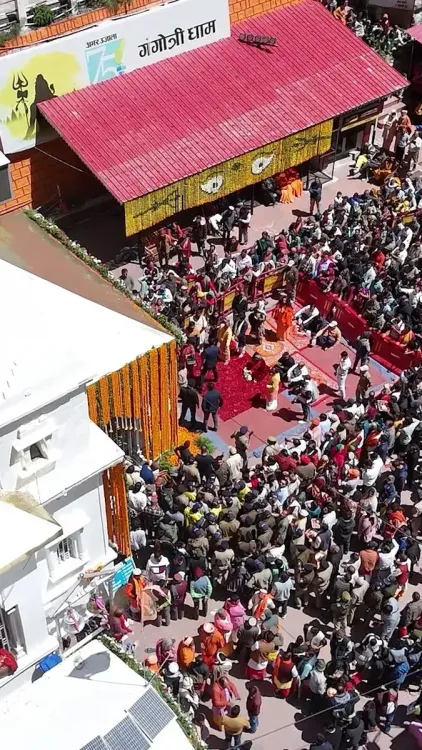
Uttarakhand Chief Minister Pushkar Singh Dhami invoked the sacred chant 'Har Har Gange' on X on 19 June 2026, spotlighting the Ganga river's spiritual and ecological importance for the state that sits at its source.
Key Takeaways
Chief Minister Pushkar Singh Dhami posted the devotional salutation 'Har Har Gange' on X on 19 June 2026 .
The Ganga originates at Gangotri in Uttarakhand, giving the state a unique upstream responsibility for the river's health.
The Namami Gange programme, launched in 2014 , is the central government's primary framework for Ganga conservation, with Uttarakhand as a key partner state.
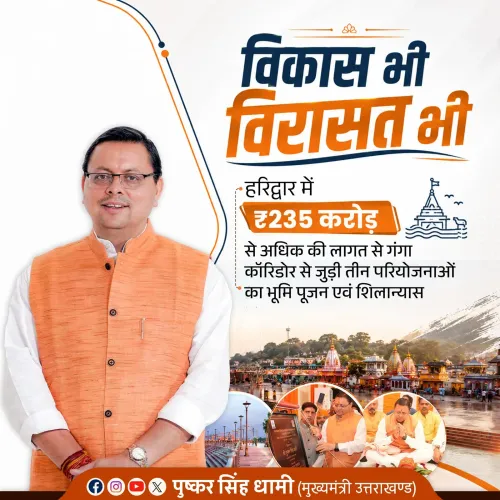
Key Ganga ghats at Haridwar and Rishikesh in Uttarakhand are focal points for both religious activity and riverfront infrastructure development.
An estimated 40 crore people across the Ganga basin depend on the river for water, agriculture, and livelihoods.
Upcoming budget allocations for Namami Gange extensions and new pollution-monitoring data will be closely watched by conservationists and policymakers.
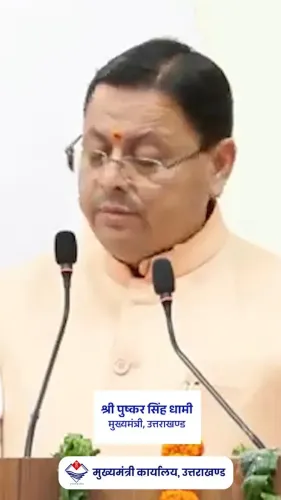
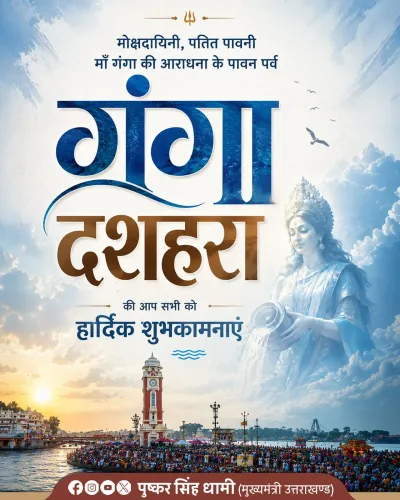
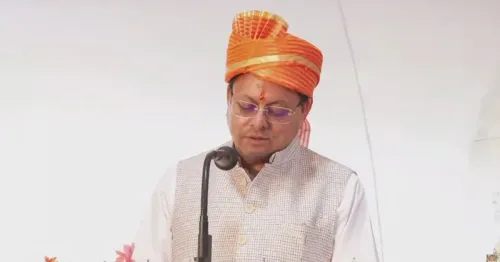
Uttarakhand Chief Minister Pushkar Singh Dhami on Friday, 19 June 2026 posted a devotional tribute to the Ganga river on X, writing the sacred chant 'Har Har Gange' — a salutation meaning 'Glory to the Ganga' — underscoring the river's enduring spiritual and environmental significance for the hill state he governs.
Context
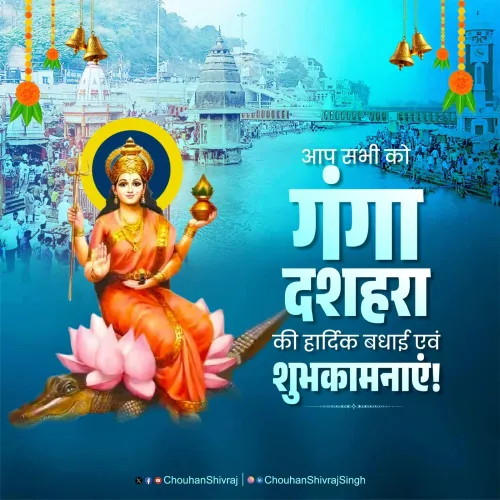
The Ganga, which originates at Gangotri in Uttarakhand, is considered among the most sacred rivers in India and serves as the lifeline for hundreds of millions of people across the Gangetic plain. For Uttarakhand, the river holds both a religious identity and an ecological responsibility, as the state sits at the very source of the basin. Chief Minister Dhami's invocation of 'Har Har Gange' reflects the cultural register that Uttarakhand's leadership has long used when speaking about the river.
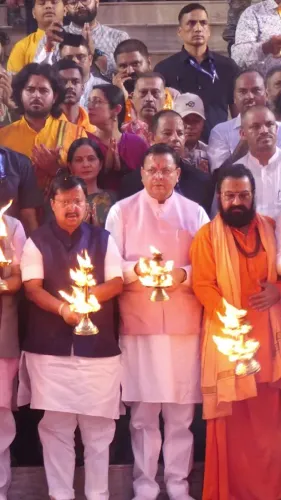
The chant is traditionally associated with pilgrimages to sites such as Haridwar and Rishikesh — two of India's most prominent Ganga ghats, both located within Uttarakhand — and is routinely heard during religious gatherings, aartis, and river-conservation campaigns along the river's course.
Policy Backdrop
The post arrives within the continuing framework of the Namami Gange programme, the central government's flagship integrated conservation mission for the river, which was launched in 2014. The programme covers pollution abatement, sewage treatment infrastructure, ghat modernisation, and community-awareness drives across all Ganga basin states, with Uttarakhand playing a critical upstream role.
Uttarakhand has been a consistent partner in implementing state components of Namami Gange, including the development of riverfront infrastructure at Haridwar and Rishikesh and the installation of sewage treatment plants to reduce the organic load entering the river at its upper reaches. Leaders in the state have periodically used devotional messaging alongside these infrastructure milestones, integrating cultural identity with policy communication.
Stakeholders and Impact
The Ganga basin is home to an estimated 40 crore people who depend on the river for drinking water, agriculture, and livelihoods, making its conservation a matter of national importance. Within Uttarakhand, communities in Uttarkashi, Tehri, Rudraprayag, and Haridwar districts are directly affected by the river's ecological health and the state government's stewardship of its upper catchment.
Pilgrims travelling to Char Dham destinations — Gangotri, Yamunotri, Kedarnath, and Badrinath — also represent a significant stakeholder group, as the spiritual economy of Uttarakhand is closely tied to the river's purity and the accessibility of its sacred sites. Any policy or messaging initiative around the Ganga carries resonance for this community as well.
What's Next
Attention will now turn to upcoming central and state budget allocations for extensions of the Namami Gange mission, as well as fresh pollution-monitoring reports from the Ganga basin that will indicate whether water-quality targets are being met at key stretches. Uttarakhand's role as the source state means its sewage and industrial-effluent management decisions have a cascading effect on the entire river downstream. The Chief Minister's public engagement with the Ganga's cultural identity is expected to continue alongside the state's infrastructure commitments under the programme.
Point of View
Positioning Uttarakhand's leadership as the moral custodian of the Ganga at its very source. In the BJP's political grammar, devotional affirmations around the Ganga function as both genuine expression and policy communication, reinforcing the party's decade-long narrative of river rejuvenation under Namami Gange. For a hill state whose spiritual economy is inseparable from the river's reputation, this kind of messaging keeps conservation on the public agenda without requiring a formal policy announcement. The post is best read as part of a longer arc in which cultural identity and infrastructure investment are presented as two sides of the same Ganga-conservation coin.
NationPress
18 Sept 2026
Frequently Asked Questions
What does 'Har Har Gange' mean?
'Har Har Gange' is a Sanskrit devotional chant meaning 'Glory to the Ganga' or 'Hail the Ganga,' traditionally used during prayers, pilgrimages, and river-worship ceremonies at sacred sites such as Haridwar and Rishikesh in Uttarakhand.
Why is Uttarakhand important for Ganga conservation?
Uttarakhand is the source state of the Ganga, which originates at Gangotri glacier. Pollution control and sewage management decisions taken in Uttarakhand directly affect the water quality of the river for all downstream states.
What is the Namami Gange programme?
Namami Gange is the central government's integrated Ganga conservation mission launched in 2014. It covers sewage treatment infrastructure, ghat modernisation, riverfront development, and public-awareness campaigns across all Ganga basin states.
What has Uttarakhand done under Namami Gange?
Uttarakhand has implemented riverfront development at Haridwar and Rishikesh and installed sewage treatment plants to reduce effluent entering the Ganga at its upper reaches, as part of the state's role in the Namami Gange programme.
Who is Pushkar Singh Dhami?
Pushkar Singh Dhami is the Chief Minister of Uttarakhand and a BJP leader who has held the post since 2021, with a focus on state development, Himalayan environmental issues, and religious tourism linked to the Char Dham circuit.