CM Dhami Hails Ganga as Symbol of Indian Culture
Synopsis
Uttarakhand Chief Minister Pushkar Singh Dhami on 2 June 2026 described the River Ganga as the defining identity of Indian culture, calling her uninterrupted flow a centuries-old source of faith and spirituality — language that echoes the Namami Gange programme's dual ecological and cultural mandate.
Key Takeaways
CM Pushkar Singh Dhami posted on X on 2 June 2026 venerating the Ganga as the symbol of Indian civilisation.
He used the phrase 'aviral dhara' (uninterrupted flow), a term central to India's Namami Gange programme launched in 2014 .
The Ganga originates at Gangotri in Uttarakhand, giving the state unique geographic and spiritual significance.
Uttarakhand hosts major pilgrimage sites including Haridwar and the Char Dham circuit along the river's upper course.
The statement aligns with a broader BJP pattern of framing the Ganga as a civilisational symbol alongside river-conservation and religious-tourism policy.
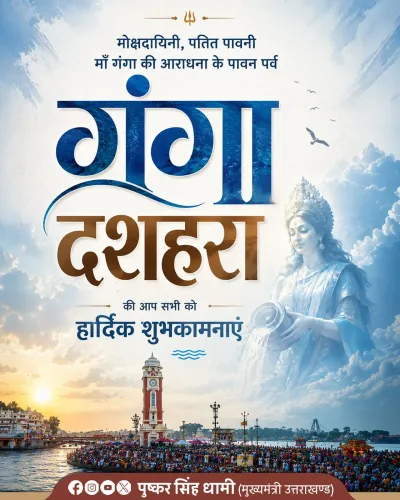
Uttarakhand Chief Minister Pushkar Singh Dhami on Tuesday, 2 June 2026, invoked the sacred River Ganga as the defining symbol of Indian civilisation, describing her uninterrupted flow as a centuries-old messenger of faith, spirituality, and life.
Context
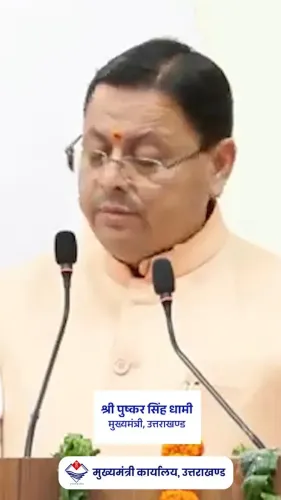
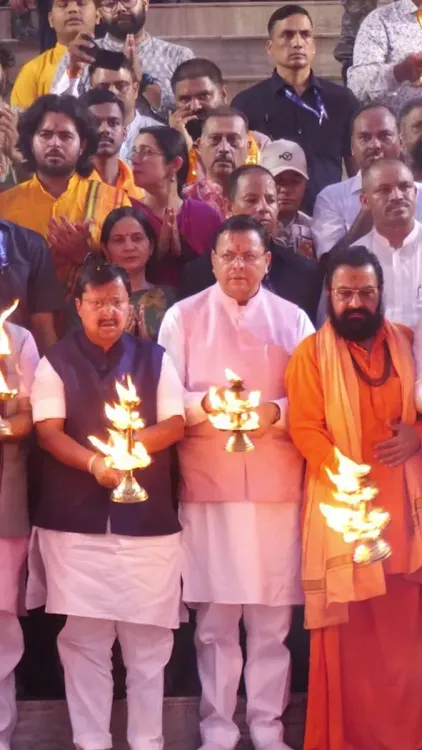
Posting in Hindi on X, CM Dhami wrote: 'Bhartiya sanskriti ki pehchaan hain Maa Ganga, jinki aviral dhara sadiyon se aastha, adhyatm aur jeevan ka sandesh deti aayi hai' — meaning, 'Mother Ganga is the identity of Indian culture; her uninterrupted flow has for centuries carried the message of faith, spirituality, and life.' The post was accompanied by a video, underlining the visual reverence the Chief Minister sought to convey.
Uttarakhand holds a uniquely central place in this narrative: the river originates at Gangotri in the state's Himalayan reaches, making the state the geographic and spiritual source of the Ganga for hundreds of millions of devotees across India.
Policy Backdrop
The phrase 'aviral dhara' — 'uninterrupted flow' — is not merely poetic. It has been a recurring term in Indian river policy since the launch of the Namami Gange programme in 2014, a flagship central initiative that integrates ecological river rejuvenation with recognition of the Ganga's cultural and spiritual significance.
The programme links the maintenance of a natural, unimpeded flow with both environmental objectives and the promotion of faith-based pilgrimage infrastructure. CM Dhami's invocation of the same language places his statement squarely within that policy lineage, reinforcing the alignment between state-level cultural messaging and central government priorities.
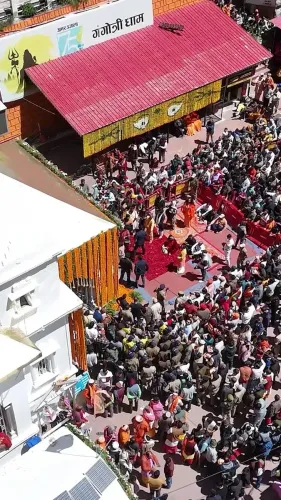
Uttarakhand hosts several of India's most significant pilgrimage sites along the Ganga's upper course, including Haridwar and the Char Dham circuit, making river-flow policy and religious tourism infrastructure deeply intertwined concerns for the state government.
Stakeholders and Impact
The statement speaks most directly to Hindu devotees and the residents of Uttarakhand, for whom the Ganga is both a lived daily reality and a sacred inheritance. For pilgrims who travel to the state in large numbers each year, the Chief Minister's affirmation of the river's cultural primacy carries reassurance about the state's commitment to preserving her sanctity.
Environmentalists and river-rights advocates who have long campaigned for maintaining the Ganga's ecological flow will note the use of 'aviral dhara', a term that carries legal and regulatory weight in ongoing debates about hydropower projects and water diversion along the river's upper stretches in Uttarakhand.
More broadly, the post reflects a pattern among BJP-led Himalayan state governments of periodically framing the Ganga as a civilisational symbol — messaging that simultaneously addresses cultural identity, religious sentiment, and the political salience of river conservation.
What's Next
Observers will watch for whether CM Dhami's statement is followed by concrete state-level announcements — such as decisions on pilgrimage infrastructure, river-flow regulations, or further phases of Namami Gange implementation in Uttarakhand. The cultural framing of the Ganga often precedes or accompanies policy moves that balance ecological mandates with the state's significant religious-tourism economy.
As Uttarakhand continues to position itself as both the spiritual source of the Ganga and a responsible steward of her waters, the Chief Minister's words signal that the river will remain central to the state's political and developmental identity in the months ahead.
Point of View
Lending the statement a policy resonance beyond mere ceremonial tribute. For a Chief Minister who governs the river's source state, such messaging also serves as a soft assertion of Uttarakhand's centrality in any future decisions on Namami Gange funding or Char Dham infrastructure. The timing and medium — a video post on X — suggest an intent to reach a wide devotional audience ahead of what is typically a busy pilgrimage season.
NationPress
25 Sept 2026
Frequently Asked Questions
What did CM Pushkar Singh Dhami say about the Ganga?
On 2 June 2026, CM Dhami posted on X describing the Ganga as the identity of Indian culture, saying her uninterrupted flow has for centuries carried the message of faith, spirituality, and life.
What is the Namami Gange programme?
Namami Gange is a flagship central government programme launched in 2014 that combines ecological rejuvenation of the River Ganga with recognition of her cultural and spiritual significance, including maintenance of her natural uninterrupted flow.
Why is Uttarakhand significant to the River Ganga?
The Ganga originates at Gangotri in Uttarakhand's Himalayan region, making the state the geographic and spiritual source of the river. It also hosts major pilgrimage sites like Haridwar and the Char Dham circuit.
What does 'aviral dhara' mean in the context of Ganga policy?
'Aviral dhara' means uninterrupted or free-flowing stream. In river policy, it refers to maintaining the Ganga's natural ecological flow without excessive diversion, a goal enshrined in the Namami Gange programme since 2014.
Is CM Dhami's Ganga statement linked to any upcoming policy announcement?
No specific policy announcement has been confirmed alongside the post. Observers are watching for potential state-level decisions on pilgrimage infrastructure or river-flow regulations in Uttarakhand as further phases of Namami Gange progress.