Jal Shakti Minister Paatil hails PM Modi's Manila Gurudwara visit
Synopsis
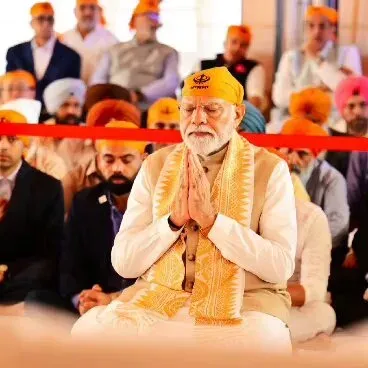
Union Jal Shakti Minister C. R. Paatil welcomed PM Narendra Modi's visit to the historic Gurudwara Khalsa Diwan in Manila, calling it a symbol of India's spiritual tradition and deep respect for the Sikh community during the Philippines trip.
Key Takeaways
PM Narendra Modi visited the historic Gurudwara Khalsa Diwan in Manila, Philippines .
Union Jal Shakti Minister C.
Paatil described the visit as a symbol of India's rich spiritual tradition and cultural heritage.
Paatil highlighted the ideals of service, equality, and human welfare taught by Guru Sahibans as a universal inspiration.
Visits by Indian prime ministers to overseas gurudwaras are part of a deliberate soft-power and diaspora-engagement strategy.
The Manila stop occurs in the context of deepening India-Philippines ties under India's Act East Policy.
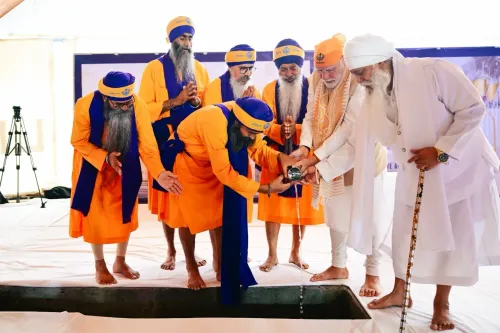
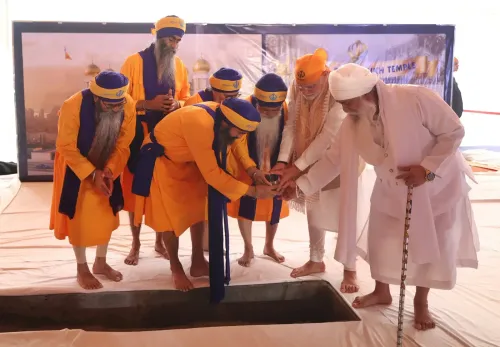
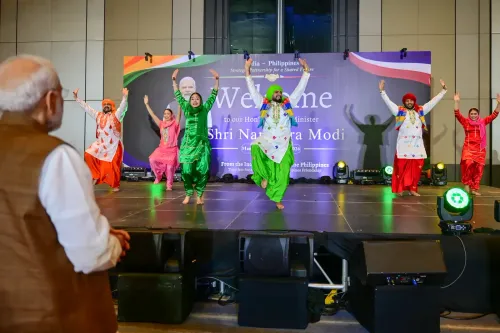
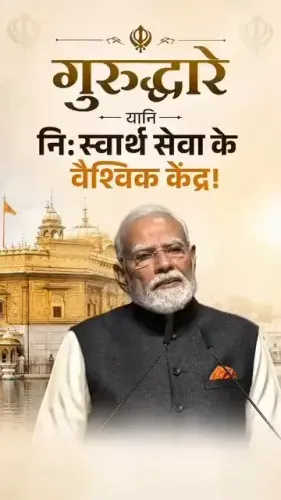
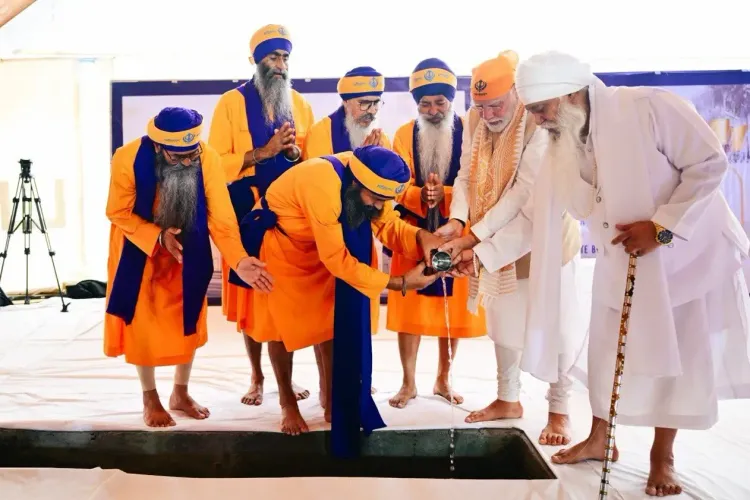
When a sitting Indian Prime Minister steps inside a Sikh gurudwara on foreign soil, it is rarely just a moment of personal devotion — it is a statement. Union Jal Shakti Minister C. R. Paatil marked Prime Minister Narendra Modi's visit to the historic Gurudwara Khalsa Diwan in Manila, Philippines, calling it a symbol of India's 'rich spiritual tradition, cultural heritage, and deep respect for the Sikh community.'
Posting on 17 November 2026, Paatil wrote in Hindi: 'फिलीपींस की राजधानी मनीला स्थित ऐतिहासिक गुरुद्वारा खालसा दीवान में आदरणीय प्रधानमंत्री श्री नरेंद्र मोदी जी की उपस्थिति भारत की समृद्ध आध्यात्मिक परंपरा, सांस्कृतिक विरासत और सिख समुदाय के प्रति गहरे सम्मान का प्रतीक है।' ('The presence of the honourable Prime Minister at the historic Gurudwara Khalsa Diwan in Manila, the capital of the Philippines, is a symbol of India's rich spiritual tradition, cultural heritage, and deep respect for the Sikh community.') He added that the ideals of service, equality, and human welfare taught by the Guru Sahibans 'will continue to inspire the entire world.'Khalsa Diwan Manila: a diaspora anchor in Southeast Asia
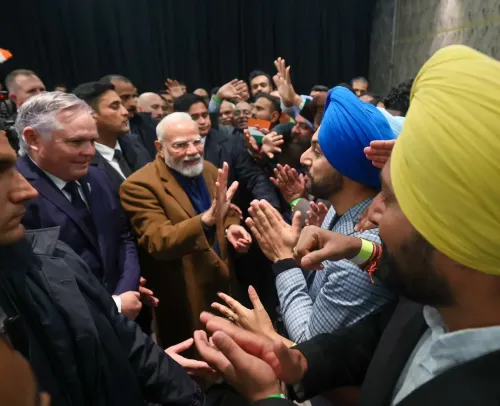
The Gurudwara Khalsa Diwan in Manila is one of the oldest Sikh institutions in Southeast Asia, serving the Indian diaspora community in the Philippines for generations. Such gurudwaras have long functioned as cultural and community anchors for Indians living far from home — not merely as houses of worship but as hubs of identity, language, and solidarity. For a visiting head of government, a stop here carries unmistakable signal value: it tells the diaspora it is seen and respected.
Soft power playbook: gurudwaras on foreign tours
Indian prime ministers have increasingly woven visits to overseas Sikh shrines into the fabric of foreign trips, from Washington to London to now Manila. The practice is a deliberate soft-power instrument — projecting India's pluralistic civilisational identity on a global stage while simultaneously energising diaspora communities who often play an outsized role in bilateral people-to-people ties. The Philippines, a key partner under India's Act East Policy, is home to a compact but historically rooted Indian community whose engagement matters as New Delhi deepens its Southeast Asia footprint.
India-Philippines ties: the larger backdrop
The Manila visit unfolds against a broader push to strengthen India-Philippines economic and defence cooperation, with both nations watching the evolving security architecture in the Indo-Pacific closely. Senior BJP leaders like Paatil amplifying the moment on social media underscores how the visit is being framed domestically — not just as bilateral diplomacy but as a reaffirmation of Sikh heritage and India's civilisational reach across Asia.
The ideals of the Guru Sahibans transcend borders, Paatil noted — but this visit makes the case that Indian foreign policy is finding increasingly creative ways to bring them into the conversation.
Point of View
Civilisational identity abroad. Senior ministers like Paatil amplifying these moments domestically signals the visit is being packaged as much for the home audience — particularly the Sikh community — as for the Philippines bilateral. The Act East Policy increasingly uses culture and diaspora as connective tissue alongside defence and trade. Expect similar gurudwara or temple stops to anchor future Southeast Asian visits as India accelerates its Indo-Pacific pivot.
NationPress
17 Nov 2026
Frequently Asked Questions
Which gurudwara did PM Modi visit in the Philippines?
PM Modi visited the Gurudwara Khalsa Diwan in Manila , the capital of the Philippines, one of the oldest Sikh institutions in Southeast Asia.
What did C. R. Paatil say about PM Modi's Manila gurudwara visit?
C. R. Paatil , Union Jal Shakti Minister, said the visit is a symbol of India's rich spiritual tradition, cultural heritage, and deep respect for the Sikh community, and that the ideals of the Guru Sahibans will continue to inspire the world.
Why do Indian prime ministers visit gurudwaras during foreign trips?
Visits to overseas gurudwaras are part of India's soft-power strategy, showcasing the country's pluralistic identity and engaging Indian diaspora communities who serve as bridges for bilateral people-to-people ties.
What is India's Act East Policy and how does the Philippines fit in?
India's Act East Policy focuses on strengthening economic, diplomatic, and strategic ties with Southeast Asian nations. The Philippines is a key partner under this framework, with cooperation expanding in defence and economic areas.
Is there a significant Sikh community in the Philippines?
Yes, the Philippines has a historically rooted Indian community, and institutions like Gurudwara Khalsa Diwan Manila have served as cultural and community anchors for the Sikh diaspora in Southeast Asia for generations.