Jal Shakti Minister Paatil Hosts Skill Ministry Meet in Surat
Synopsis
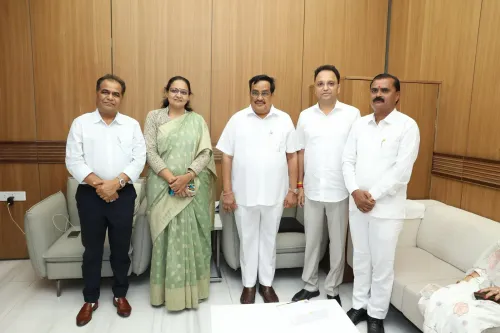
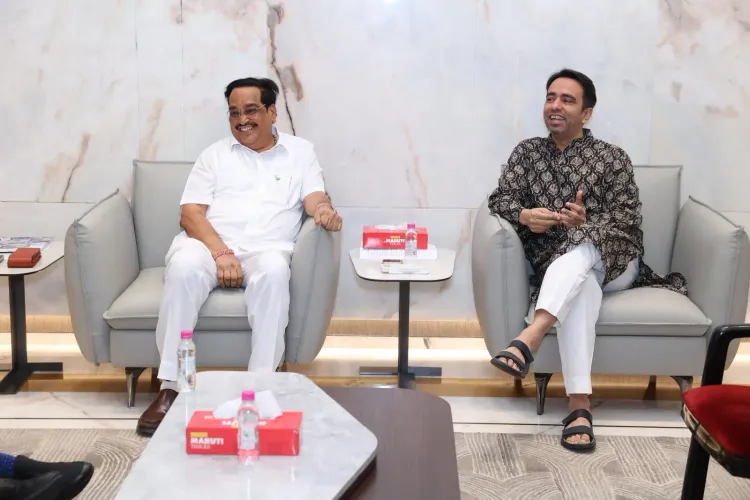
Union Jal Shakti Minister C. R. Paatil welcomed Skill Development Minister Jayant Chaudhary and ministry advisory committee members at his Surat residence 'Chandraganga' on 10 July 2026, holding discussions on skill development, entrepreneurship, and youth empowerment.
Key Takeaways
Paatil hosted the meeting at his Surat residence 'Chandraganga' on 10 July 2026 .
Attendees included Union Minister Jayant Chaudhary , advisory committee members, and senior ministry officials.
Discussions focused on skill development, entrepreneurship, and the future prospects of Indian youth.
Surat is a major industrial centre in Gujarat , home to textile and diamond industries that rely heavily on skilled labour.
The Pradhan Mantri Kaushal Vikas Yojana (PMKVY) and Skill India Mission , both launched in 2015 , form the policy backbone of the ministry's outreach.
The meeting reflects the NDA coalition's pattern of inter-ministerial coordination at state-level industrial hubs.
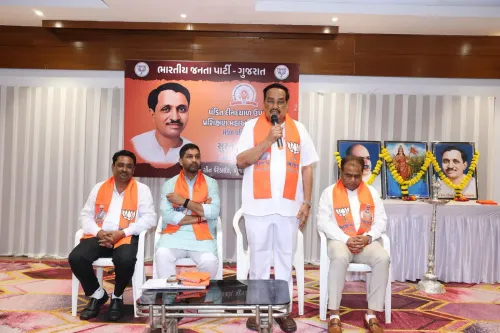
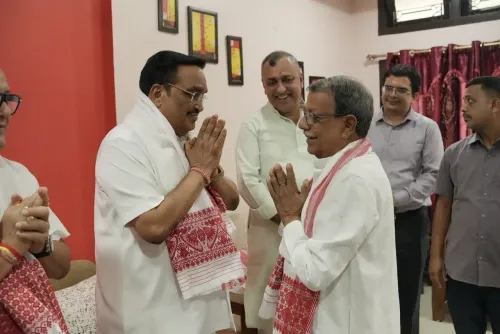
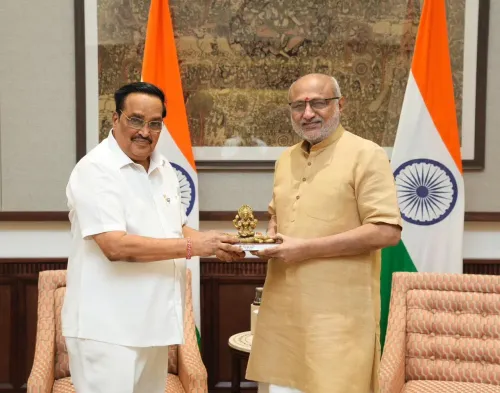
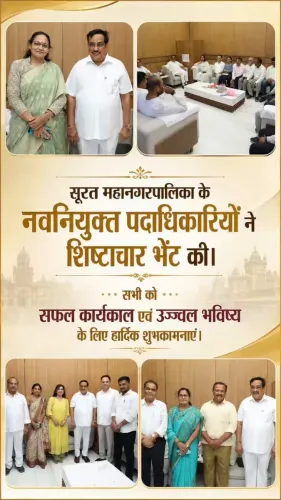
Union Jal Shakti Minister C. R. Paatil hosted Union Minister of State for Skill Development and Entrepreneurship Jayant Chaudhary, members of the ministry's advisory committee, and senior officials at his Surat residence 'Chandraganga' on Friday, 10 July 2026. The gathering centred on skill development, entrepreneurship, and the future of India's youth.
Paatil, posting in Hindi on X, described the occasion as one of 'aatmiya samvad' — 'heartfelt dialogue' — and expressed that he was 'atyanth prasannata hui', meaning 'extremely pleased', to welcome the delegation to Surat. He said 'meaningful discussions' took place on topics linked to skill development, entrepreneurship, and the bright future of young Indians.
Context
Surat, one of Gujarat's most dynamic industrial cities, is globally recognised for its textile and diamond industries and is increasingly being positioned as a hub for emerging manufacturing clusters. Hosting a central ministry's advisory committee meeting in the city signals an intent to align national skill policy with local industrial demand. C. R. Paatil, as a former president of the BJP Gujarat unit and a sitting Union minister, carries significant influence over the state's political and administrative ecosystem.
Policy Backdrop
The Ministry of Skill Development and Entrepreneurship, led by Jayant Chaudhary — an RLD leader and key NDA ally — oversees flagship programmes including the Pradhan Mantri Kaushal Vikas Yojana (PMKVY), launched in 2015, which targets short-term skill training and certification across sectors. The broader Skill India Mission, also launched in 2015, set an ambitious goal of training over 400 million people by 2022 and continues to shape the ministry's programmatic priorities. Inter-ministerial and advisory committee consultations of this kind are part of the standard review cycle to calibrate scheme delivery at the ground level.
Stakeholders and Impact
The primary beneficiaries of skill development policy are India's youth, aspiring entrepreneurs, and the MSME sector — all of which are well represented in Gujarat's industrial landscape. Surat in particular has a large population of young workers in labour-intensive industries such as textiles and gems, making it a natural testbed for vocational and entrepreneurship programmes. The presence of advisory committee members alongside ministry officials suggests the meeting was a substantive policy consultation rather than a ceremonial visit.
What's Next
Observers will watch for any announcements on sector-specific skill courses tailored to Gujarat's industrial profile — particularly in water management, textiles, or diamond processing — following the advisory committee's review. State budget allocations for Gujarat skill centres in 2026-27 could reflect the priorities discussed at this meeting. The coordination between a Jal Shakti minister and the Skill Development ministry also underscores the NDA coalition's practice of using senior leaders' home-state influence to drive scheme implementation on the ground.
Point of View
Despite heading the Jal Shakti portfolio, reflects the NDA's deliberate use of senior regional leaders to anchor national scheme delivery in their home states. Jayant Chaudhary's presence as an RLD leader deepens the coalition's outreach beyond the BJP's core base while keeping the policy agenda firmly on youth employment. The meeting fits a broader pattern of the current government treating skill development as a cross-cutting, coalition-sustaining priority ahead of potential state-level electoral cycles.
NationPress
10 Jul 2026
Frequently Asked Questions
Why did Jal Shakti Minister C. R. Paatil host a Skill Development Ministry meeting?
C. R. Paatil hosted the meeting at his Surat residence as part of routine NDA inter-ministerial coordination, leveraging his standing as a senior Gujarat leader to facilitate a policy consultation between the Skill Development Ministry and its advisory committee in the state.
Who is Jayant Chaudhary and what ministry does he lead?
Jayant Chaudhary is the Union Minister of State (Independent Charge) for Skill Development and Entrepreneurship, and is also a leader of the Rashtriya Lok Dal, an NDA ally representing western Uttar Pradesh.
What is the Pradhan Mantri Kaushal Vikas Yojana (PMKVY)?
PMKVY is the Government of India's flagship skill training scheme launched in 2015, designed to provide short-term vocational training and certification to youth across multiple sectors.
What was discussed at the Surat meeting on 10 July 2026?
According to C. R. Paatil's post, discussions covered skill development, entrepreneurship, and topics related to the future of India's youth, involving the ministry's advisory committee members and senior officials.
Why is Surat significant for skill development policy?
Surat is one of India's major industrial cities, known for its textile and diamond industries, and has a large young workforce that makes it a key location for vocational training and entrepreneurship initiatives under the Skill India Mission.