J&K govt approves ₹18.60 crore for 3 heritage conservation projects
Synopsis
The J&K government has committed ₹18.60 crore to restore three heritage sites — a spring in Anantnag, a fort in Kathua, and a heritage complex in Samba — in a move that signals heritage-led tourism as a core development pillar for the UT, not just a cultural afterthought.
Key Takeaways
The Jammu and Kashmir government approved ₹18.60 crore on 13 August for three heritage conservation projects.
Uttervehini Heritage, Samba receives ₹6.86 crore for restoration and revival of old heritage structures.
Basohli Fort, Kathua gets ₹6.50 crore for repair, beautification, and renovation.
Nallah Soundbrari Spring, Anantnag is allocated ₹5.24 crore for revival of the Yatri Niwas and spring beautification.
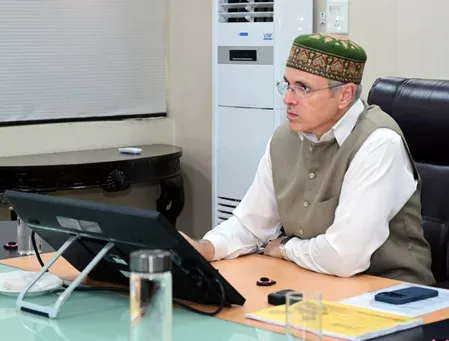
Chief Minister Omar Abdullah's office confirmed the approvals via a post on X , framing the projects as catalysts for heritage-led tourism.
The Jammu and Kashmir government on Thursday, 13 August approved ₹18.60 crore for three major heritage conservation projects across the Union Territory, with the twin goals of preserving historical sites and catalysing heritage-led tourism. The projects span three districts — Samba, Kathua, and Anantnag — and cover a fort, a heritage complex, and a revered water spring.
The Three Projects at a Glance
The largest allocation of ₹6.86 crore goes to the Uttervehini Heritage site in Samba, earmarked for the restoration and revival of old heritage structures. The Basohli Fort in Kathua will receive ₹6.50 crore for repair, beautification, and renovation of the historic fort. The third project, at ₹5.24 crore, covers the revival and restoration of the Yatri Niwas and the beautification of the Nallah Soundbrari Spring in Anantnag.
What the Government Said
The office of Chief Minister Omar Abdullah, in a post on social media platform X, said: 'These projects celebrate Jammu and Kashmir's rich history while opening new avenues for heritage-led tourism across the UT.' The statement confirmed that disbursements are linked to the restoration and beautification of each designated site.
Why Heritage Conservation Matters for J&K
Jammu and Kashmir holds one of India's most layered concentrations of historical assets, spanning ancient Kashmiri temple architecture, Mughal gardens, and medieval fortifications. Among the most prominent are the Martand Sun Temple in Anantnag — an eighth-century stone structure attributed to King Lalitaditya Muktapida — and the seven-terraced Pari Mahal in Srinagar, originally built as an astrological school for Mughal Prince Dara Shikoh. The Hari Parbat Fort, a sixteenth-century hilltop fortress enclosed by a wall commissioned by Mughal Emperor Akbar, and the Parihaspora archaeological ruins — remnants of an ancient Karkota-dynasty capital — further illustrate the depth of the region's heritage inventory.
In Jammu, sites such as the Babu Fort overlooking the Tawi river, the Mubarak Mandi Palace complex blending Rajasthani, Mughal, and European architectural styles, and the nineteenth-century Akhnoor Fort on the banks of the Chenab river add to the UT's cultural wealth. This comes amid a broader push by the J&K administration to position heritage tourism as a year-round economic driver alongside its established pilgrimage and leisure circuits.
Broader Context and What Comes Next
The approval is notably timed ahead of Independence Day, signalling the administration's intent to frame heritage conservation as a development priority. Critics and conservation experts have long argued that restoration spending in the region has historically lagged the scale of its heritage inventory. The selected sites — a spring, a fort, and a heritage complex — represent different typologies, suggesting a deliberate effort to broaden the scope of conservation beyond the better-known Srinagar landmarks. Implementation timelines and executing agencies have not yet been publicly disclosed.
Point of View
Much of which remains underfunded and under-documented. The selection of lesser-known sites — Uttervehini, Nallah Soundbrari, Basohli Fort — over the more prominent Srinagar landmarks is actually the more interesting editorial signal: it suggests the administration is trying to distribute heritage tourism revenue beyond the Valley's established circuits. The real question is execution — J&K's past conservation projects have often stalled at the tendering stage. Without published timelines and accountability mechanisms, the announcement risks remaining a press release rather than a restoration.
NationPress
28 Sept 2026
Frequently Asked Questions
Which three heritage sites has the J&K government approved funding for?
The J&K government has approved funding for Uttervehini Heritage in Samba (₹6.86 crore), Basohli Fort in Kathua (₹6.50 crore), and Nallah Soundbrari Spring in Anantnag (₹5.24 crore). Together, the three projects account for a total outlay of ₹18.60 crore.
What is the Basohli Fort and why is it significant?
Basohli Fort is a historic fort located in Kathua district of Jammu and Kashmir. The ₹6.50 crore allocation covers its repair, beautification, and renovation as part of the UT's heritage-led tourism push.
What work is planned at the Nallah Soundbrari Spring in Anantnag?
The ₹5.24 crore project at Nallah Soundbrari Spring in Anantnag involves the revival and restoration of the Yatri Niwas and the beautification of the water spring, aimed at improving the site for visitors and pilgrims.
Who announced these heritage conservation projects?
The approvals were announced by the office of Chief Minister Omar Abdullah via a post on social media platform X. The statement confirmed that the projects are aimed at preserving J&K's cultural heritage while promoting tourism.
What other major heritage sites does Jammu and Kashmir have?
J&K is home to several prominent heritage sites including the eighth-century Martand Sun Temple in Anantnag, Pari Mahal and Hari Parbat Fort in Srinagar, Mubarak Mandi Palace and Babu Fort in Jammu, and the Parihaspora archaeological ruins linked to the Karkota dynasty.