Heavy Rainfall Hits Jammu and Kashmir, Snowfall Recorded in Higher Elevations
Synopsis
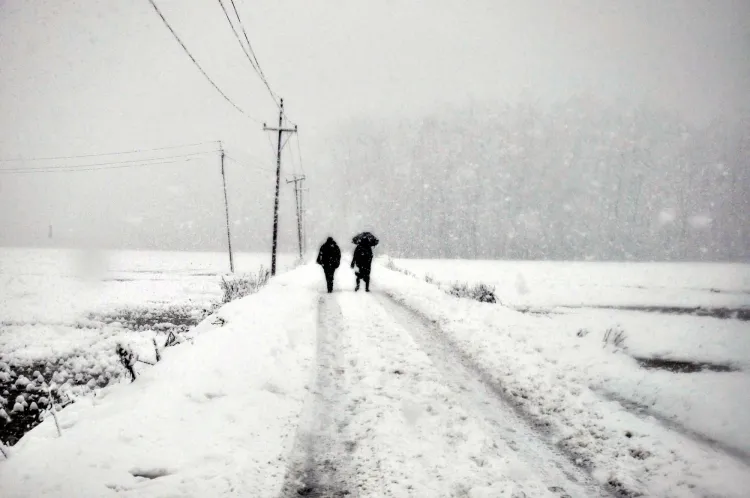
In the last 24 hours, Jammu and Kashmir experienced substantial rain and moderate snowfall in elevated regions, leading to a drop in temperatures. This weather pattern is crucial for water reservoirs ahead of the summer months.
Key Takeaways
Significant rainfall and snowfall occurred in Jammu and Kashmir.
The weather is expected to be dry until March 14, with possible rain and snow thereafter.
Farmers have been advised to pause agricultural activities until March 12.
Concerns over water availability during summer months have been raised.
Temperatures are likely to drop further due to recent weather changes.
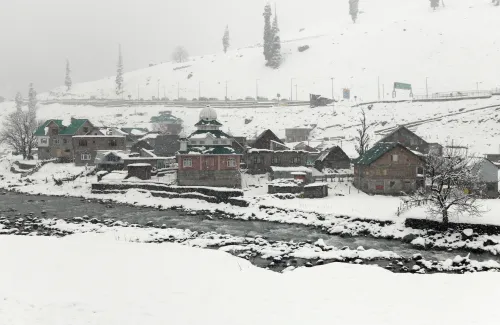
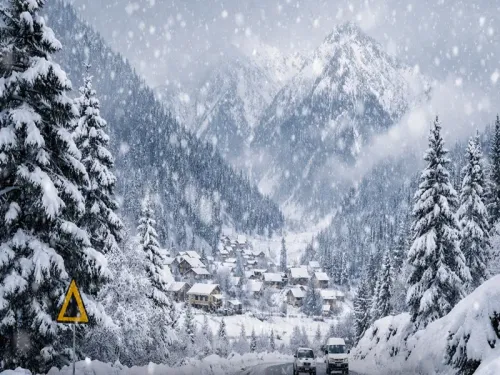
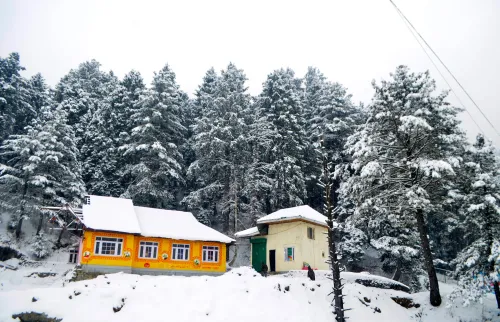
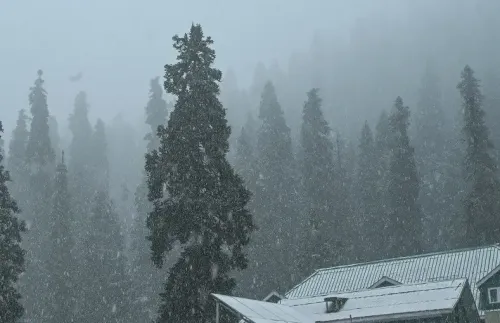
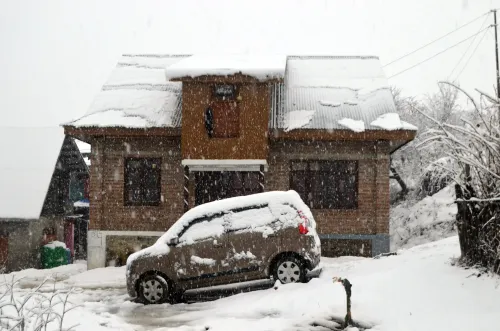
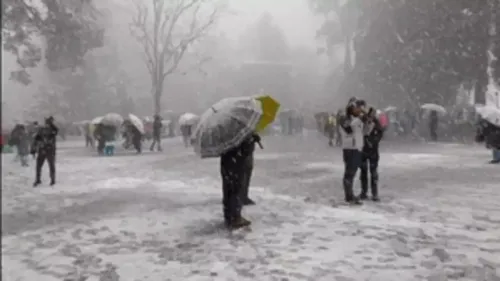
Srinagar, March 11 (NationPress) A significant downpour has drenched the plains of Jammu and Kashmir (J&K) over the past 24 hours, accompanied by moderate snowfall in the elevated areas on Wednesday.
According to officials from the Meteorological Department, the recent rain and snowfall have led to a noticeable drop in temperatures.
“In the last 24 hours, light to moderate rain and snow (in higher elevations) have occurred across J&K, with moderate snowfall reported in the upper reaches of Kishtwar, Ganderbal, Anantnag, Kupwara, and Bandipora districts.
“The weather is expected to remain predominantly dry until March 14, after which cloudy conditions with light rain and snow (in higher regions) are anticipated from March 15 to March 20.
“Farmers have been urged to pause their agricultural activities until March 12,” stated the advisory from the Meteorological Department.
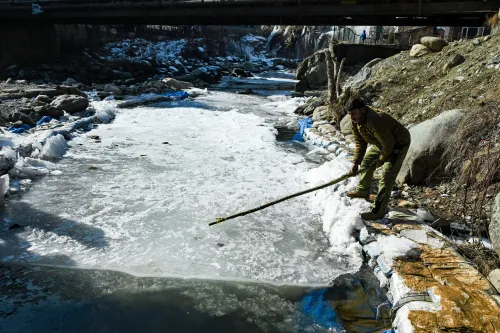
The rain and snow have provided much-needed relief to the residents, particularly in the Valley, where the Jhelum River and other water bodies, including mountain streams, springs, and wells, had been experiencing very low discharge.
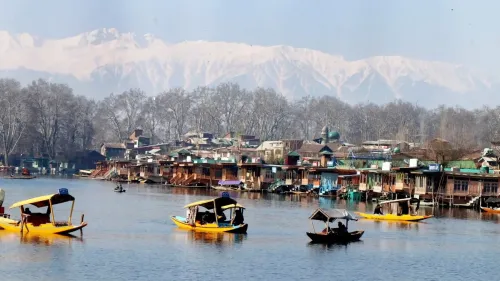
This February, the Kashmir Valley saw unseasonably high temperatures, leading to an early blooming of almond, apple, pear, and other fruit trees.
Farmers and fruit cultivators have expressed deep concerns regarding water availability during the upcoming summer months. Aside from a few late winter snowfalls, particularly in the southern regions of the Valley, this winter has generally been characterized by cold and dry conditions.
The accessibility of safe drinking water, irrigation, and horticultural needs heavily depends on various water bodies, sustained by perennial mountain reservoirs replenished during winter.
Limited snowfall during winter spells a dry summer ahead.
Yesterday, Srinagar recorded a maximum temperature of 17.6°C, while Jammu city reached 31.2°C.
The minimum temperature today was recorded at 10.5°C in Srinagar, 2.4°C in Gulmarg, and 6.5°C in Pahalgam, while Jammu city had a minimum of 19.9°C, Katra town 19.6°C, Batote 14.5°C, Banihal 12.9°C, and Bhaderwah 9.8°C.
With substantial rainfall over the last 24 hours, daytime temperatures are expected to decrease further in the coming days.
Given its geographical distance from West Asia, the likelihood of acidic rain or black snow has been dismissed in Kashmir.
Point of View
The recent weather changes in Jammu and Kashmir reflect a crucial moment for the region, particularly considering the agricultural and water resource implications. The combination of rainfall and snowfall is a double-edged sword, providing temporary relief but also raising concerns for future water availability. It is essential to monitor these trends closely.
NationPress
26 Sept 2026
Frequently Asked Questions
What weather conditions were observed in Jammu and Kashmir recently?
Jammu and Kashmir experienced significant rainfall and moderate snowfall in higher reaches over the last 24 hours.
How do recent weather changes affect agriculture in the region?
The recent rain and snowfall are crucial for replenishing water bodies, which are vital for irrigation and safe drinking water, especially during the summer months.
What temperatures were recorded in the region?
Srinagar recorded a maximum temperature of 17.6°C, while Jammu city reached 31.2°C. Minimum temperatures were lower, with Gulmarg at 2.4°C.
What is the forecast for the weather in the coming days?
The region is expected to remain generally dry until March 14, followed by cloudy weather with light rain and snow from March 15 to March 20.
Why is limited snowfall a concern for the summer?
Limited snowfall means less water replenishment for reservoirs, leading to potential water shortages during the dry summer months.