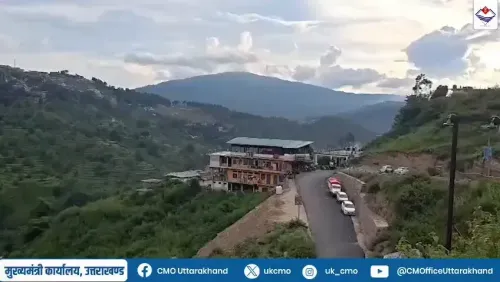
Uttarakhand CMO: Swala Danger Zone on Tanakpur-Pithoragarh Highway Treated
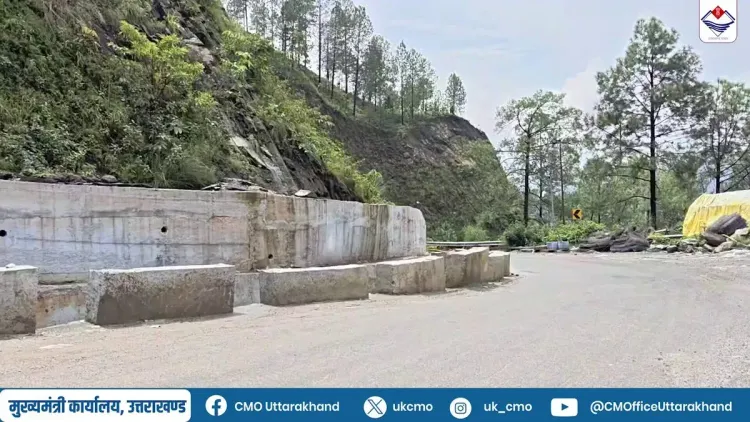
Synopsis
The Uttarakhand Chief Minister's Office announced on August 12, 2026, that the Swala Danger Zone on the Tanakpur–Pithoragarh National Highway has been treated, making the critical Kumaon corridor safer and more accessible for hill district residents and travellers.
Key Takeaways
The Swala Danger Zone on the Tanakpur–Pithoragarh National Highway has been officially treated, per the Uttarakhand CMO.
The announcement was made on August 12, 2026 , and declares travel on the stretch 'easy and safe.' The highway links Tanakpur (Champawat district) to Pithoragarh , a border district adjoining Nepal and China.
Danger-zone treatments on Uttarakhand's mountain highways typically address landslide risk, slope instability, and debris hazards.
The work is part of Uttarakhand's incremental safety upgrades on secondary national highways alongside larger projects like Char Dham Pariyojana .
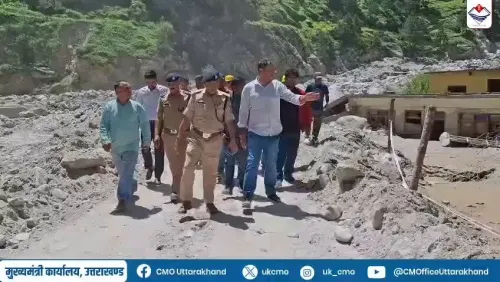
A notorious bottleneck on one of Kumaon's most critical mountain highways has been cleared. The Chief Minister's Office of Uttarakhand announced on Wednesday, August 12, 2026, that the Swala Danger Zone on the Tanakpur–Pithoragarh National Highway has been treated, making travel along the corridor safer and smoother for thousands of daily commuters and hill residents.
The post, shared in Hindi, states: 'Tanakpur–Pithoragarh Rashtriya Rajmarg ke Swala Danger Zone ka hua treatment. Sugam aur surakshit hui yatra.' — 'The Swala Danger Zone on the Tanakpur–Pithoragarh National Highway has been treated. Travel has become easy and safe.'
Why Swala Was a Problem Stretch
The Tanakpur–Pithoragarh National Highway is the lifeline connecting the plains-end town of Tanakpur in Champawat district to the border district of Pithoragarh, which shares frontiers with both Nepal and China. The Swala stretch had long been designated a 'danger zone' — a classification used in Uttarakhand for landslide-prone or geologically unstable sections that routinely disrupt traffic, particularly during monsoon season. For residents of these hill districts, a blocked highway is not an inconvenience — it is a crisis, cutting off access to markets, hospitals, and supply chains.Incremental Safety Work Across Uttarakhand's Mountain Roads
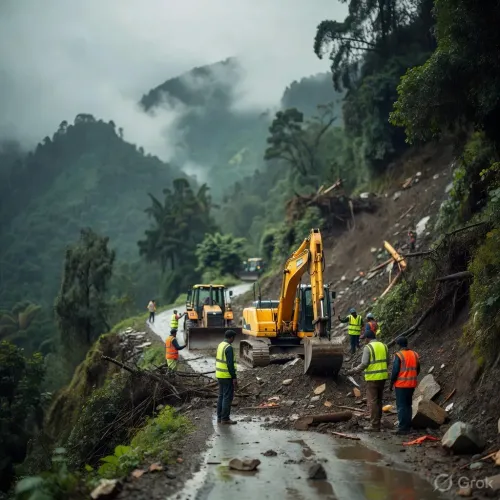
This intervention fits a broader pattern of slope stabilisation and hazard-clearance works that Himalayan state governments undertake on secondary national highways. Uttarakhand has been pursuing such incremental upgrades alongside its flagship Char Dham Pariyojana — the all-weather connectivity project for the state's four sacred pilgrimage sites. Danger-zone treatments typically involve rock-fall protection, slope stabilisation, and debris removal, though the specific engineering methods deployed at Swala have not been officially detailed. For the districts of Champawat and Pithoragarh, reliable highway access is not just about convenience — it underpins economic activity, emergency services, and strategic connectivity in a sensitive border region. A safer Swala means fewer disruptions for the communities that depend on this corridor year-round. The next measure of success will be accident and disruption data on the corridor in the months ahead — and whether similar treatments follow at other identified danger zones across the state's mountain highway network.Frequently Asked Questions
What is the Swala Danger Zone on the Tanakpur-Pithoragarh highway?
The Swala Danger Zone is a landslide-prone or geologically unstable stretch on the Tanakpur–Pithoragarh National Highway in Uttarakhand, which had long posed risks to travellers on this key Kumaon corridor.
Which districts does the Tanakpur-Pithoragarh National Highway pass through?
The highway passes through Champawat and Pithoragarh districts in the Kumaon division of Uttarakhand, connecting the plains town of Tanakpur to the border district of Pithoragarh.
Why is the Tanakpur-Pithoragarh highway important?
It is the primary road link for Pithoragarh , a district bordering both Nepal and China, making it critical for local residents, supply chains, emergency services, and strategic connectivity.
What does 'danger zone treatment' mean on Uttarakhand highways?
Danger zone treatment typically refers to engineering interventions such as slope stabilisation, rock-fall protection, and debris clearance on landslide-prone sections of mountain highways to restore safe passage.
Is the Swala danger zone work part of the Char Dham project?
No. The Char Dham Pariyojana focuses on four pilgrimage corridors. The Swala treatment is a separate, localised safety intervention on the Tanakpur–Pithoragarh National Highway, part of Uttarakhand's broader incremental highway upgrade programme.