PoK crackdown: J&K leaders slam Pakistan Army after 20+ killed in protests
Synopsis
More than 20 people were reportedly killed when Pakistani security forces opened fire on protesters in Pakistan-Occupied Kashmir — and leaders in Jammu and Kashmir are not staying silent. From the National Conference to political analysts, voices are calling the crackdown 'inhuman', demanding India raise the issue globally, and drawing a stark contrast between the two armies on either side of the Line of Control.
Key Takeaways
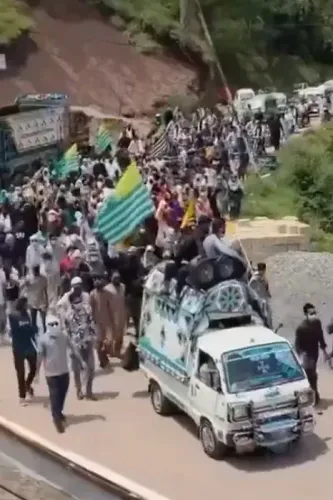
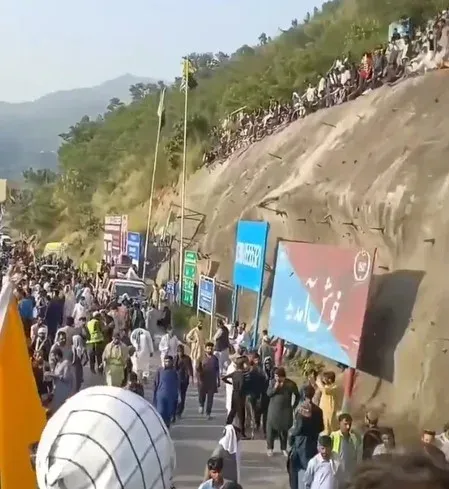
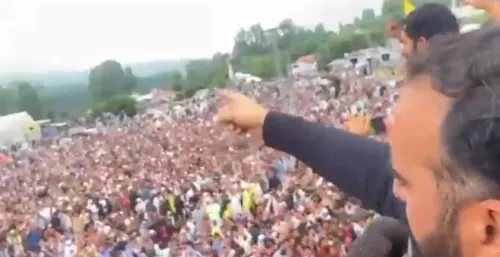
More than 20 people were reportedly killed in a Pakistani Army crackdown on protesters in Pakistan-Occupied Kashmir (PoK) .
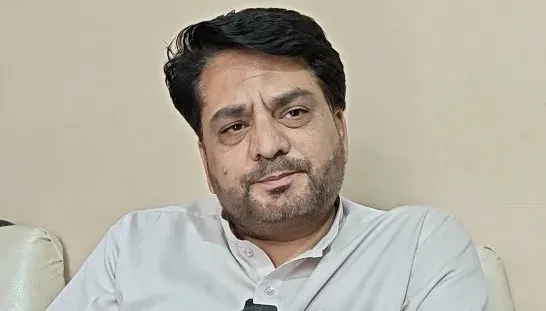
NC leader Shafqat Mir condemned the killings as a 'crime' and called on India to raise its voice internationally.
Political analyst Farooq Wani described the crackdown as 'completely inhuman' and urged global leaders to speak out.
Both leaders drew contrasts between the Indian Army and the Pakistani Army , citing the latter's record against its own civilians.
Wani reiterated that PoK should formally be integrated into India , calling it an 'occupied area'.
Protests against the crackdown have reportedly spread across the world, including within Jammu and Kashmir .
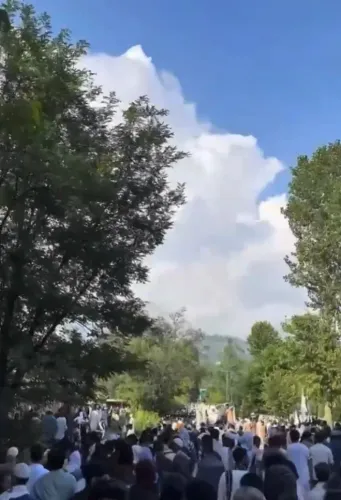
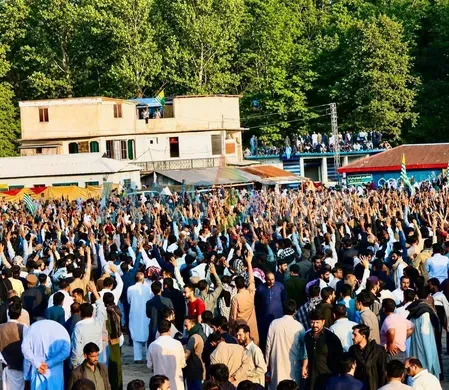
Leaders across Jammu and Kashmir on Thursday, 11 June sharply condemned the Pakistani Army as 'inhuman' and drew pointed contrasts with the Indian Army, following reports that more than 20 people were killed when security forces opened fire on protesters in several parts of Pakistan-Occupied Kashmir (PoK). The killings have triggered widespread outrage, with condemnations emerging from political figures and analysts across the region.
NC Leader Condemns PoK Killings
Jammu and Kashmir National Conference (NC) leader Shafqat Mir called the incident a 'crime', saying: 'It is very unfortunate that the Pakistan Army is carrying out atrocities against the people of PoK.' He attributed the unrest partly to rising unemployment, arguing that frustrated youth were compelled to take to the streets. 'I believe that incident in PoK points towards rising unemployment in the state since the youth is frustrated which is why people had to come out to protest,' Mir said.
Drawing a direct comparison between the two armies, Mir stated: 'The Pakistani Army do not possess kindness and humanity. It should look after the safekeeping of its civilians. We Indians are fortunate that our Army is greater than even governments.' He also called on India to raise its voice internationally against the killings, adding: 'Killing of innocents anywhere can never be justified.'
Analyst Calls for Global Condemnation
Political analyst Farooq Wani noted that protests against the crackdown have spread across the world, including within Jammu and Kashmir. He described the Pakistani military's action as 'completely inhuman' and urged global leaders to speak out. 'Since the creation of Pakistan, the nation has always been dominated by its Army. But today they have reached a limit where they killed and injured our people, even as they were only agitating for their rights,' Wani said.
Wani also reiterated a long-standing political position, asserting that PoK should formally become part of India. 'PoK is an occupied area and one day or the other Pakistan will have to leave it at any cost,' he said. 'If we allow such atrocities on our people there, it would be unfortunate on our end too.'
India-Pakistan Contrast at the Centre of Debate
Both Mir and Wani drew explicit contrasts between conditions in Jammu and Kashmir and in PoK, citing employment, development, and civil liberties as key differentiators. Mir noted that the gap in governance and opportunity is not lost on Pakistani leaders themselves. 'We have employment opportunities and development. Jammu and Kashmir is itself a happy region. Looking at us, their leaders realise how compelled they are,' he said.
This comes amid a broader pattern of civil unrest in PoK over recent months, with residents reportedly protesting against rising prices, unemployment, and administrative neglect. The latest crackdown is, according to reports, among the deadliest responses to civilian demonstrations in the region in recent years.
What Comes Next
International human rights observers have yet to issue a formal response to the reported killings. Calls for a United Nations-level inquiry are reportedly being discussed among diaspora groups and civil society organisations. Whether New Delhi will formally raise the matter at international forums remains to be seen, though voices within Jammu and Kashmir are growing louder in demanding it do so.
Point of View
A party that has historically favoured dialogue with Islamabad — are now publicly demanding that New Delhi internationalise the issue. That shift in tone deserves attention. The contrast being drawn between the two armies also reflects a domestic political calculation: with J&K's own security situation in focus, framing the Indian Army as a protector of civilians serves a pointed purpose. What mainstream coverage misses is the underlying PoK unrest narrative — this crackdown did not happen in a vacuum but against months of simmering protests over unemployment and price rises, a structural crisis that Islamabad has yet to address.
NationPress
21 Sept 2026
Frequently Asked Questions
What happened in Pakistan-Occupied Kashmir that triggered condemnation from J&K leaders?
More than 20 people were reportedly killed when Pakistani security forces opened fire on protesters in several parts of Pakistan-Occupied Kashmir (PoK). The crackdown, which targeted civilians agitating over unemployment and rights, drew sharp condemnation from political leaders and analysts in Jammu and Kashmir on 11 June.
Who condemned the PoK crackdown and what did they say?
National Conference leader Shafqat Mir called the killings a 'crime' and urged India to raise its voice internationally, while political analyst Farooq Wani described the Pakistani Army's action as 'completely inhuman' and called on global leaders to respond. Both drew comparisons between the Indian and Pakistani armies.
Why are people protesting in Pakistan-Occupied Kashmir?
According to reports, protesters in PoK have been agitating over rising unemployment, high prices, and administrative neglect. NC leader Shafqat Mir specifically cited youth frustration over unemployment as a key driver of the unrest that led to the crackdown.
Is there a demand for PoK to be merged with India?
Political analyst Farooq Wani reiterated the position that PoK should formally become part of India, calling it an 'occupied area' that Pakistan will eventually have to leave. This view reflects a strand of political opinion in Jammu and Kashmir, though it is not government policy.
Has India officially responded to the PoK crackdown?
As of the reports on 11 June, no formal official response from the Indian government had been issued. However, political figures in Jammu and Kashmir are calling on New Delhi to raise the matter at international forums, and calls for a UN-level inquiry are reportedly being discussed among diaspora and civil society groups.