PoK killings: Mirwaiz Umar Farooq voices deep concern over civilian deaths
Synopsis
Kashmir’s chief cleric Mirwaiz Umar Farooq has broken his silence on the bloodshed in PoK — and his words carry weight on both sides of the LoC. With 22 reportedly dead, 200 injured, and 500 arrested after Pakistan banned the JAAC, this is one of the worst civilian crackdowns in PoK in years, and India has already called out Islamabad on the world stage.
Key Takeaways
Mirwaiz Umar Farooq on 10 June expressed deep concern over civilian killings in Pakistan-occupied Kashmir (PoK) during a police crackdown on protesters.
Reports indicate 22 people were killed — including reportedly seven pregnant women — when Pakistan Rangers fired on civilian protesters.
Nearly 200 civilians were injured and over 500 were arrested during the demonstrations.
The PoK administration banned the Joint Awami Action Committee (JAAC) and announced a ₹1 crore bounty for information on JAAC leaders.
India on Tuesday condemned Pakistan’s “brutality” in PoK and urged the international community to hold Islamabad accountable.
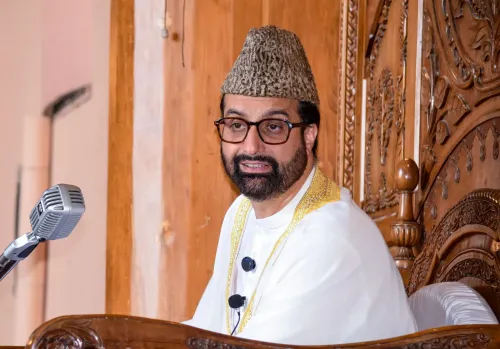
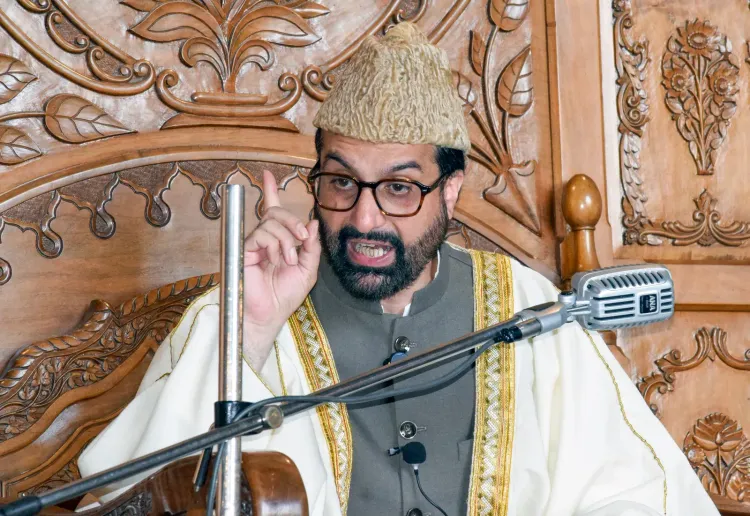
Mirwaiz Umar Farooq, chief cleric and senior religious leader of Kashmir, on Wednesday, 10 June said he is deeply disturbed by the killing of civilians in Pakistan-occupied Kashmir (PoK) during police firing on protesters. His statement came as reports confirmed that more than 20 people had been killed in recent crackdowns across several parts of the region.
Mirwaiz's Statement
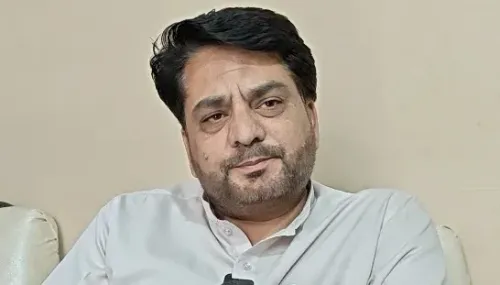
In a post on X, Mirwaiz Umar wrote: “Deeply disturbed by the news coming from across the LoC. The killing of more than a dozen protesting civilians and police personnel is extremely sad. The Government there should know better than to use force to handle public grievances and demands in this manner. When people take to the streets to express their concerns, it is a signal that they seek to be heard. It is the responsibility of those in authority to listen, engage and peacefully resolve the matter, rather than allow it to escalate into violence, arbitrary arrests and loss of life. Hope and pray that better sense prevails and the matter is handled with maturity while addressing the concerns of the people.”
The cleric's appeal for restraint and dialogue reflects growing unease in Srinagar over the unfolding crisis across the Line of Control (LoC).
Scale of the Crackdown
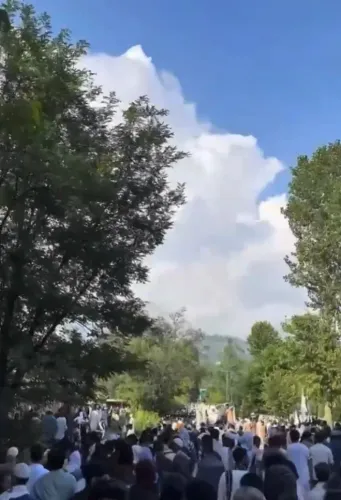
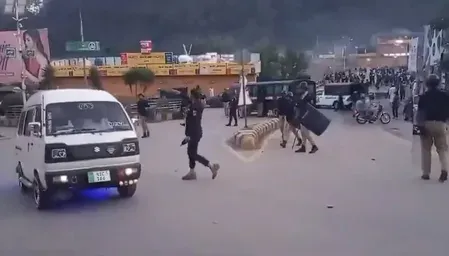
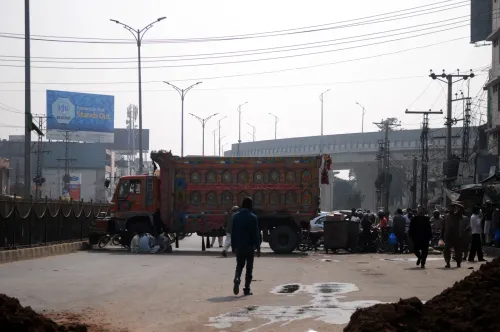
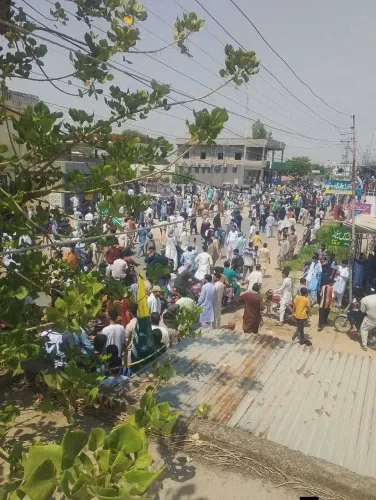
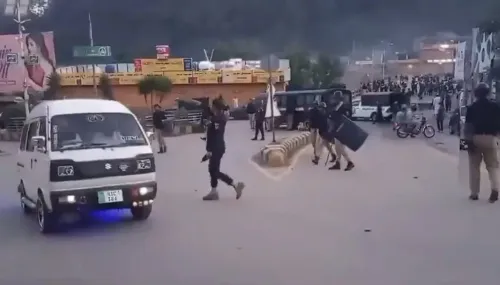
According to reports, 22 people were killed — including reportedly seven pregnant women — when civilian protesters were fired upon by Pakistan Rangers. Nearly 200 civilians sustained injuries, and over 500 others were arrested during the demonstrations. The figures have not been independently verified.
Separately, the PoK administration launched a search operation targeting four protesters and announced a bounty of ₹1 crore for information leading to the arrest of leaders linked to the Joint Awami Action Committee (JAAC) — the group at the centre of the mass protests.
What Triggered the Unrest
The PoK administration had banned the Joint Awami Action Committee, triggering widespread civil unrest across the region. Notably, while PoK nominally operates under an elected government, critics and analysts have long described it as an “appointed puppet government” installed and directed by Islamabad, with limited autonomous authority over law and order decisions.
This is not the first time JAAC-led protests have shaken PoK — the committee has previously mobilised large-scale demonstrations over issues including electricity tariffs and wheat subsidies, making the administration’s ban a significant escalation.
India's Response
On Tuesday, India sharply condemned Pakistan for what it called “brutality” against the people of PoK, and called on the international community to hold Islamabad accountable for its “abuses” in the region. New Delhi’s statement marked one of its more direct interventions on the internal situation in PoK in recent memory.
What Comes Next
With the JAAC banned, its leaders facing bounties, and hundreds already in custody, the situation in PoK remains volatile. International human rights observers are yet to issue formal assessments, and pressure on Pakistan from global bodies is expected to mount if the casualty figures are confirmed. The Mirwaiz’s appeal adds a significant moral voice to calls for de-escalation.
Point of View
The PoK situation is no longer just a bilateral irritant — it is becoming a reputational liability for Islamabad at a time when it can ill afford one.
NationPress
26 Oct 2026
Frequently Asked Questions
What did Mirwaiz Umar Farooq say about the PoK killings?
Mirwaiz Umar Farooq said he was deeply disturbed by the killing of civilians and police personnel in PoK, urging the government there to engage peacefully with protesters rather than use force. He posted his statement on X on 10 June, calling for maturity and dialogue in resolving public grievances.
How many people were killed in the PoK crackdown?
According to reports, 22 people were killed — including reportedly seven pregnant women — when Pakistan Rangers fired on civilian protesters. Nearly 200 others were injured and over 500 were arrested. These figures have not been independently verified.
What is the Joint Awami Action Committee (JAAC) and why was it banned?
The JAAC is a civil society coalition in PoK that has led large-scale protests over issues including electricity tariffs, wheat subsidies, and governance. The PoK administration banned the committee, triggering the mass unrest that led to the crackdown.
What has India said about the situation in PoK?
India on Tuesday condemned Pakistan for what it described as ‘brutality’ against the people of PoK and called on the international community to hold Pakistan accountable for its ‘abuses’ in the region.
What bounty has the PoK administration announced?
The PoK administration announced a bounty of ₹1 crore for information leading to the arrest of leaders linked to the Joint Awami Action Committee (JAAC), alongside a search operation targeting four protesters.