PoK unrest day 37: Mirwaiz Umar Farooq calls for dialogue, mourns civilian deaths
Synopsis
Kashmir's chief cleric broke his silence on the PoK unrest — now in its 37th day — mourning civilian and police deaths in Rawalakot and Poonch, and urging Pakistan to choose dialogue over force. His intervention coincides with JAAC leader Sardar Amman Khan publicly calling PoK an 'occupied territory,' a direct challenge to Islamabad's official narrative.
Key Takeaways
Mirwaiz Maulana Umar Farooq expressed grief over civilian and police deaths in Pakistan-occupied Kashmir on 15 July .
Unrest in PoK entered its 37th consecutive day , with major protests in Rawalakot and Poonch .
JAAC leader Sardar Amman Khan called PoK an 'occupied territory,' rejecting Pakistan's 'disputed territory' framing.
The Mirwaiz urged the Government of Pakistan to prioritise dialogue, restraint, and respect for human rights.
He also appealed to protesting parties to exercise 'wisdom and responsibility' in restoring peace.
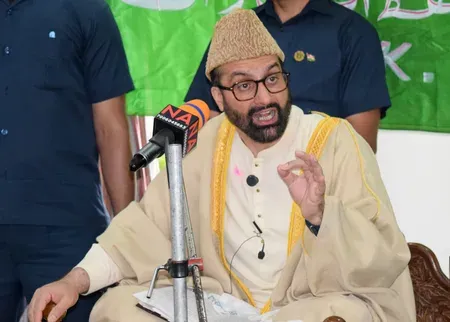
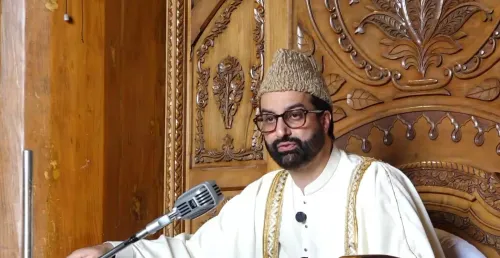
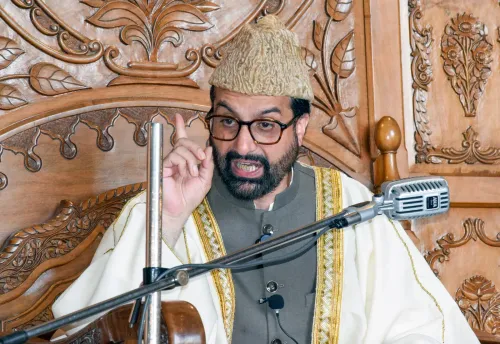
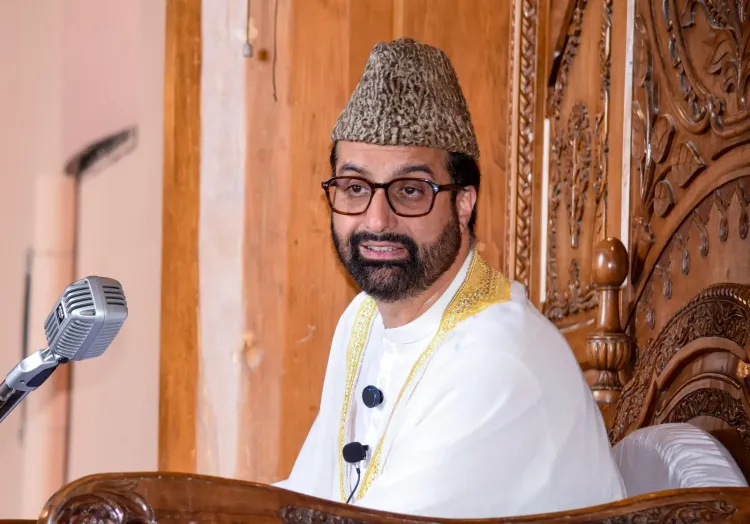
Kashmir's chief cleric Mirwaiz Maulana Umar Farooq on Wednesday, 15 July expressed profound grief over the deaths of civilians and police personnel amid continuing unrest in Pakistan-occupied Kashmir (PoK), particularly in Rawalakot and Poonch, urging both the Government of Pakistan and local authorities to prioritise dialogue over confrontation. His appeal came as the PoK unrest entered its 37th consecutive day.
What the Mirwaiz Said
In a post on X, Mirwaiz Umar Farooq said he was 'Deeply saddened and pained by reports of loss of life of civilians and police personnel in the continuing unrest on the other side of the LOC, especially in Rawalakot and Poonch.' He added that his 'thoughts and prayers' were with bereaved families and all those affected by 'these tragic events.'
The Mirwaiz also flagged his concern over 'ongoing discussions regarding representation and the constitutional and political status of the large number of Kashmiri State Subjects residing in Pakistan,' stressing that 'questions touching upon identity, representation and political rights require sensitivity, dialogue and broad public confidence.'
Historical Ties and Shared Grief
Invoking longstanding family and community bonds across the Line of Control (LoC), the Mirwaiz noted that his family has 'historical associations with the social, educational, religious and political development of communities across Jammu and Kashmir, including those on the other side of the LOC.' He underscored that 'happenings in one part of Jammu and Kashmir are deeply felt in another, and among our diaspora communities around the world.'
This cross-LoC empathy reflects a recurring dynamic: upheaval in PoK consistently generates political and emotional reverberations in the Kashmir Valley, given shared cultural, linguistic, and familial networks that predate the 1947 partition of the region.
Call for Restraint and Resolution
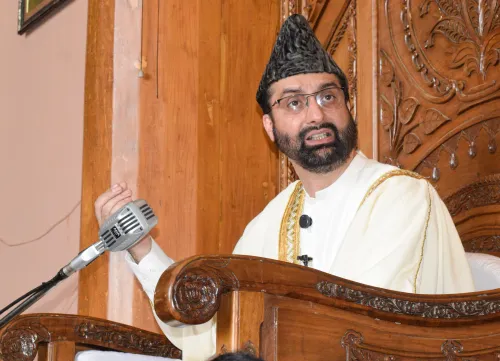
The Mirwaiz directly appealed to the Pakistan government and local administration, urging them to resolve differences 'through consultation and accommodation rather than confrontation, with respect for human rights and the sanctity of human life remaining paramount.' He also called on protesting parties to 'exercise wisdom and responsibility,' adding, 'Both need to work towards restoring peace and public confidence at the earliest.'
Ground Situation in PoK
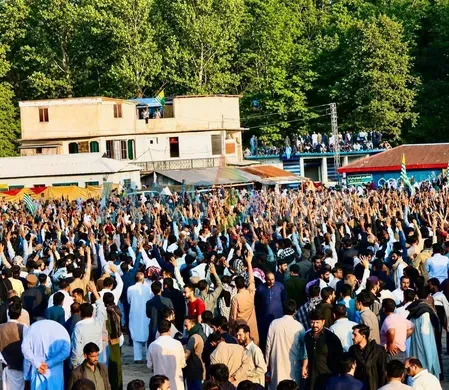
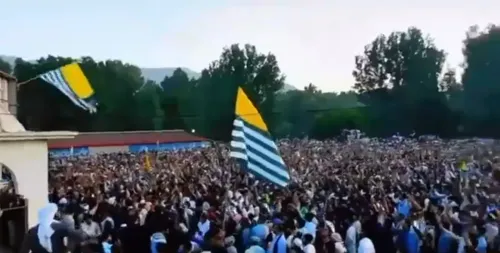
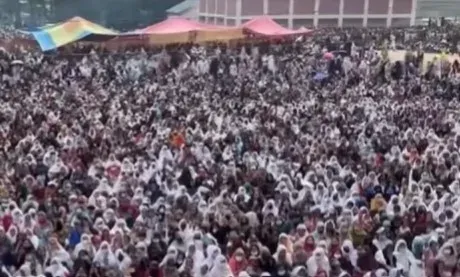
The unrest in Pakistan-occupied Kashmir reached its 37th consecutive day on Wednesday. On Tuesday, thousands gathered in Rawalakot, where Joint Awami Action Committee (JAAC) leader Sardar Amman Khan accused Pakistan of 'forcibly occupying' the region and rejected Islamabad's long-standing narrative. Khan declared, 'This is not a disputed territory. It is an occupied territory. It is forcibly occupied' — a framing that directly challenges Pakistan's official position on PoK's status.
The JAAC's sustained mobilisation and its increasingly assertive language on sovereignty mark a notable escalation in the public discourse within PoK, drawing attention from religious and political voices on the Indian side of the LoC.
What Comes Next
With no signs of de-escalation, observers will watch whether Pakistan's federal government engages the JAAC's demands or opts for further security measures. The Mirwaiz's appeal for dialogue may carry symbolic weight given his stature, but tangible outcomes will depend on Islamabad's response to the protest movement now in its sixth week.
Point of View
Yet his invocation of 'consent, trust and confidence of the people' as the bedrock of legitimate governance is a pointed message to Islamabad. What is harder to ignore is the JAAC's language: calling PoK an 'occupied territory' rather than a 'disputed' one is not semantics — it is a foundational challenge to Pakistan's decades-old framing. That this language is now being used openly in mass rallies, 37 days in, signals a protest movement that has moved well beyond economic grievances. The question is whether Islamabad will engage or entrench — and whether the Mirwaiz's moral authority carries any weight across the LoC in a moment this charged.
NationPress
14 Oct 2026
Frequently Asked Questions
Why did Mirwaiz Umar Farooq issue a statement on PoK unrest?
Mirwaiz Maulana Umar Farooq issued the statement on 15 July to express grief over civilian and police deaths in Pakistan-occupied Kashmir and to urge the Pakistan government to prioritise dialogue. He cited longstanding cultural and family ties across the Line of Control as the basis for his concern.
What is the current situation in Pakistan-occupied Kashmir?
The unrest in Pakistan-occupied Kashmir entered its 37th consecutive day on 15 July, with large protests reported in Rawalakot and Poonch. JAAC leader Sardar Amman Khan publicly accused Pakistan of forcibly occupying the region and rejected the 'disputed territory' label.
What did JAAC leader Sardar Amman Khan say about PoK?
Sardar Amman Khan declared at a rally in Rawalakot that PoK is 'not a disputed territory' but 'an occupied territory' that is 'forcibly occupied' by Pakistan — a direct challenge to Islamabad's official position on the region's status.
What did the Mirwaiz urge Pakistan to do?
He urged the Government of Pakistan and local authorities to resolve differences through 'consultation and accommodation rather than confrontation,' with human rights and the sanctity of human life as paramount concerns. He also called on protesting parties to exercise wisdom and responsibility.
How does unrest in PoK affect the Kashmir Valley?
Given shared cultural, linguistic, and familial networks that predate 1947, upheaval in PoK consistently generates political and emotional reverberations in the Kashmir Valley. The Mirwaiz noted that his own family has historical associations with communities on both sides of the Line of Control.