Japan delegation inspects India's MLFF tolling system near Delhi at 12th Joint Working Group meet
Synopsis
India's FASTag-plus-AI highway tolling model drew Japan's attention at the 12th India–Japan Joint Working Group on Roads. With MLFF live at five locations and tenders out for 104 more toll plazas, India is betting on incremental tech — not GPS satellites — to modernise its highway revenue system. The visit underscores the growing bilateral exchange on smart infrastructure.
Key Takeaways
A Japanese delegation visited the MLFF tolling system at Mundka-Bakkarwala, Delhi on 17 October 2025 .
NHAI uses a combination of FASTag RFID , ANPR , and AI analytics — not GPS — for its MLFF programme.
MLFF is operational at 5 locations : Choryasi (Gujarat), Mundka (Delhi), Gharaunda (Haryana), Daulatpura and Manoharpura (Rajasthan).
12 more sites have been awarded for conversion; tenders cover 104 additional toll plazas nationwide.
The 12th India–Japan Joint Working Group Meeting was held at Bharat Mandapam, New Delhi , covering construction tech, tunnel engineering, and digital infrastructure.
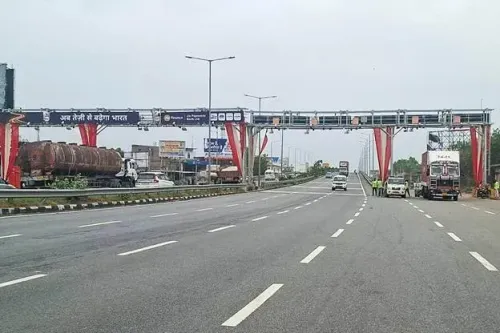
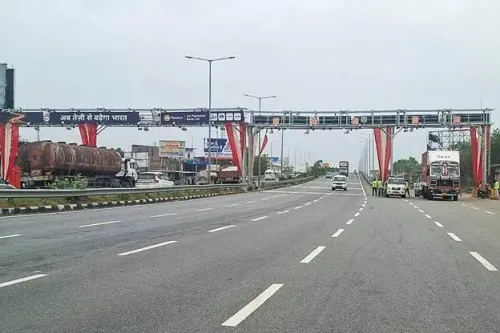
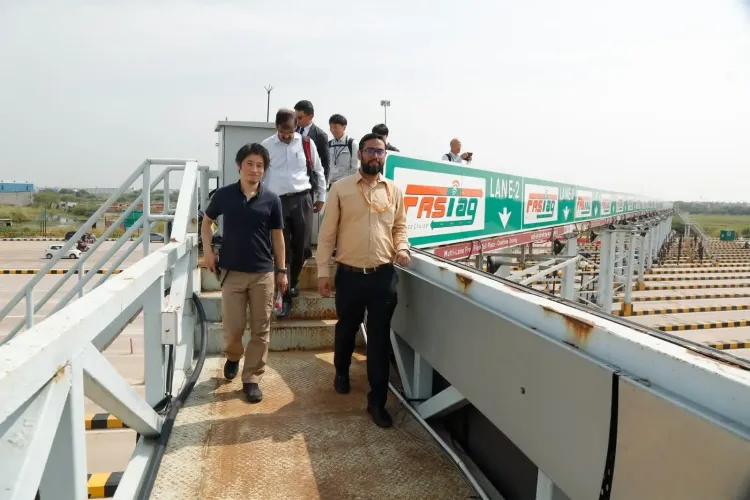
A Japanese delegation on Friday, 17 October 2025 visited the Multi-Lane Free Flow (MLFF) tolling system at Mundka-Bakkarwala near New Delhi, on the sidelines of the 12th India–Japan Joint Working Group Meeting on Roads and Road Transportation. The visit offered the delegation a first-hand look at India's technology-driven approach to seamless, barrier-free highway travel.
How the MLFF System Works
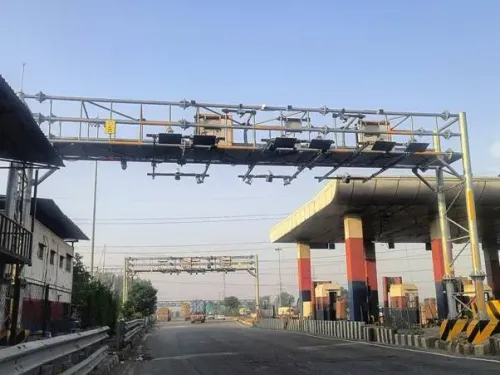
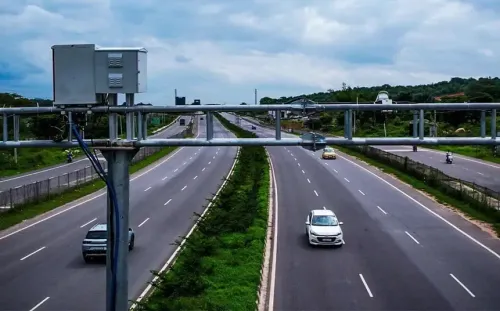
At MLFF installations, the National Highways Authority of India (NHAI) deploys a combination of RFID-based FASTag electronic toll collection, automatic number plate recognition (ANPR), and AI analytics to allow vehicles to pass through charging points without stopping, slowing down, or staying in a designated lane. The integration of these three technologies makes India's MLFF programme distinct from purely satellite-based models considered elsewhere.
Notably, expert committees had recommended further consideration of GPS-based barrier-free tolling, citing security, privacy, and operational control concerns, according to the Ministry of Road Transport and Highways. The government ultimately opted to build on the established FASTag infrastructure and augment it with ANPR and AI.
Where MLFF Has Already Been Deployed
MLFF systems are currently operational at five locations: Choryasi in Gujarat, Mundka in Delhi, Gharaunda in Haryana, and Daulatpura and Manoharpura in Rajasthan. The Choryasi installation on the Surat–Bharuch section of NH-48 was the first to go live, followed by the Mundka site on Delhi's Urban Extension Road-II.
Scale of the Expansion Plan
12 further locations have already been awarded for conversion to the MLFF model, and tenders covering an additional 104 toll plazas across the country have been launched. The expansion represents a fundamental shift from India's traditional barrier-based toll infrastructure, with implications for traffic flow, fuel savings, and compliance.
What Was Discussed at the Joint Working Group Meeting
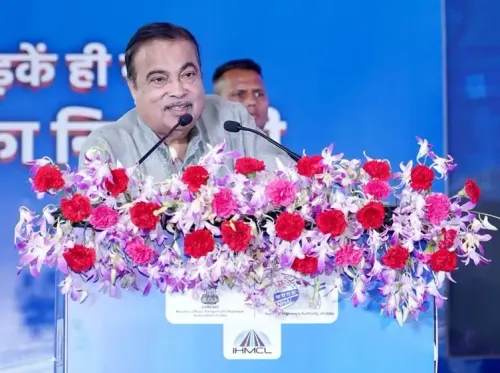
The formal session of the 12th India–Japan Joint Working Group on Roads and Road Transportation was held at Bharat Mandapam in New Delhi. Discussions covered advanced construction technologies, bridge and tunnel engineering, sustainable infrastructure, and digital innovations, facilitating the exchange of technical expertise and best practices between the two nations.
The Ministry of Road Transport and Highways said in a statement: 'The meeting reaffirmed both nations' commitment to safe, sustainable and technology-driven road infrastructure, aligned with the vision of Viksit Bharat @ 2047.' The bilateral exchange signals growing Japan–India collaboration on smart infrastructure as India scales its highway modernisation programme ahead of the 2047 centenary milestone.
Point of View
Making the incremental upgrade path lower risk and faster to scale. Yet the decision to defer satellite-based tolling — flagged by expert committees for privacy and security concerns — defers a bigger structural question: how India will handle vehicles without FASTag as the fleet diversifies. The Japan engagement adds diplomatic weight to a domestic infrastructure push, but the bilateral optics should not obscure the execution challenge of converting 104-plus plazas while keeping revenue leakage in check. India's highway modernisation story is credible in ambition; the test is in the rollout pace.
NationPress
17 Oct 2026
Frequently Asked Questions
What is the Multi-Lane Free Flow (MLFF) tolling system in India?
The MLFF system allows vehicles to pass through toll charging points without stopping or slowing down, using a combination of FASTag RFID, automatic number plate recognition (ANPR), and AI analytics. NHAI has deployed it at five locations so far, with large-scale expansion underway.
Why did Japan visit India's MLFF site?
A Japanese delegation visited the MLFF installation at Mundka-Bakkarwala on 17 October 2025 on the sidelines of the 12th India–Japan Joint Working Group Meeting on Roads and Road Transportation. The visit was part of broader bilateral exchanges on advanced road construction, digital infrastructure, and sustainable highway engineering.
Where is the MLFF system currently operational in India?
MLFF is live at five locations: Choryasi on the Surat–Bharuch section of NH-48 in Gujarat (the first), Mundka on Delhi's Urban Extension Road-II (the second), Gharaunda in Haryana, and Daulatpura and Manoharpura in Rajasthan.
How many more toll plazas will get the MLFF upgrade?
Twelve additional locations have already been awarded for MLFF conversion, and tenders covering 104 more toll plazas across India have been launched, according to NHAI.
Why did India choose FASTag and ANPR instead of GPS-based tolling?
Expert committees had recommended further consideration of GPS-based barrier-free tolling, but flagged concerns around security, privacy, and operational control. The Ministry of Road Transport and Highways indicated that FASTag combined with ANPR and AI was selected as the technology for the current MLFF programme, leveraging India's already-established FASTag infrastructure.