Jitendra Singh: BJP stayed united through 50 years in opposition
Synopsis
Union Minister Dr. Jitendra Singh highlighted on 21 June 2026 that the BJP spent nearly 50 years in opposition without a split, attributing this to its cadre-based structure rooted in RSS discipline and the legacy of the Bharatiya Jana Sangh founded in 1951.
Key Takeaways
Jitendra Singh , Union Minister of State for Science and Technology, posted on 21 June 2026 asserting that BJP remained in opposition for 'almost 50 years' without splitting.
He attributed the party's cohesion to its cadre-based character, a model inherited from the Bharatiya Jana Sangh (founded 1951 ) and reinforced by RSS training.
The BJP was constituted in 1980 after the collapse of the Janata Party coalition, inheriting a disciplined volunteer structure.
The statement implicitly contrasts the BJP with the Indian National Congress , which saw major splits in 1969 and 1978 .
The cadre-discipline narrative is a recurring BJP communication strategy ahead of state assembly polls and national executive meetings.
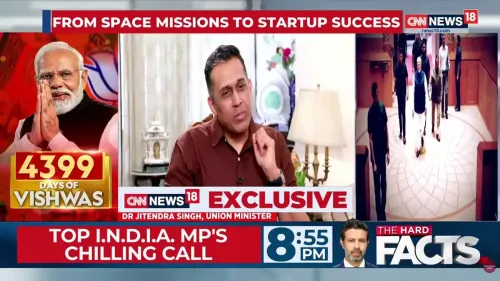
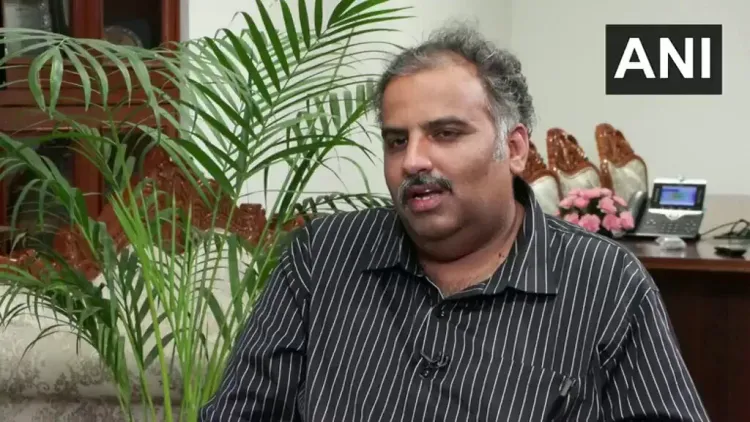
Union Science and Technology Minister Dr. Jitendra Singh on Sunday, 21 June 2026, invoked the Bharatiya Janata Party's organisational history, asserting that the party endured nearly five decades in opposition without a split — a feat he attributed to its cadre-based character.
Context
Posting on X, Dr. Jitendra Singh wrote: 'BJP is the party that remained in the opposition for almost 50 years... and yet, we did not split or break. Because this is a cadre-based party.' The statement frames the party's internal cohesion as a defining organisational virtue, distinguishing it from rivals that fractured under electoral or factional pressure.
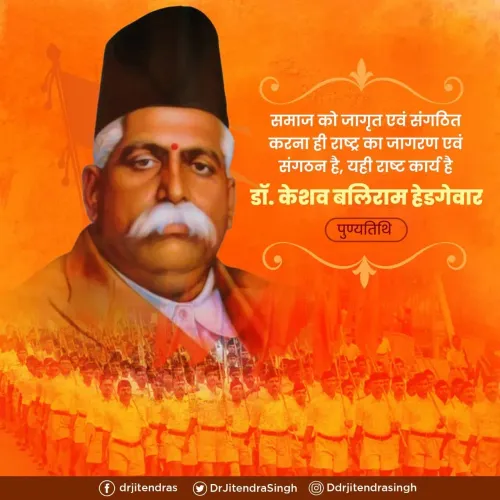
The claim traces back to the ideological lineage of the Bharatiya Jana Sangh, founded in 1951, which served as the political precursor to the BJP. The BJP itself was constituted in 1980 following the collapse of the Janata Party coalition experiment, inheriting a disciplined volunteer structure closely associated with the Rashtriya Swayamsevak Sangh (RSS).
Policy Backdrop
The BJP's self-description as a 'cadre-based party' is a recurring motif in its political communication. The party draws a contrast with the Indian National Congress, which experienced significant vertical splits in 1969 and 1978 — both while it was either in power or contesting for it.
The RSS supplies ideological training and grassroots organisational depth that BJP leaders have long credited for the party's resilience. This pipeline of trained volunteers is considered central to the party's ability to contest elections across geographies without relying solely on individual leaders or regional strongmen.
Stakeholders and Impact
BJP party workers and RSS cadres are the primary audience for such messaging, which reinforces organisational pride and loyalty. For rank-and-file workers, the 'cadre-based' framing elevates their role beyond electoral foot-soldiering to that of ideological custodians of a durable political project.
The statement also carries a broader political signal: at a time when opposition parties grapple with alliance management and internal dissent, the BJP's leadership is projecting unity and historical continuity as competitive advantages heading into future electoral cycles.
What's Next
Similar historical claims are expected to be reiterated at upcoming BJP national executive or organisational meetings, particularly as the party prepares its ground-level machinery ahead of state assembly elections. The cadre-discipline narrative is likely to feature prominently in internal training and outreach programmes coordinated with RSS affiliates.
For the broader political landscape, Dr. Jitendra Singh's post signals that the ruling party intends to keep its organisational story at the centre of its identity politics — positioning decades of opposition-era endurance as proof of a structural advantage that electoral rivals have yet to replicate.
Point of View
The party signals that its strength is institutional, not personality-driven. This is a deliberate contrast with opposition formations that have historically fractured along personal or dynastic fault lines. The timing, likely ahead of organisational meetings or state polls, suggests the message is as much for internal mobilisation as it is for public positioning.
NationPress
20 Sept 2026
Frequently Asked Questions
How long was BJP in opposition before coming to power at the Centre?
BJP leaders, including Dr. Jitendra Singh, cite 'almost 50 years' in opposition, counting from the founding of its precursor the Bharatiya Jana Sangh in 1951 through to the party's rise at the national level. The BJP itself was formed in 1980 and first led a full-term government at the Centre from 1999 to 2004.
What does 'cadre-based party' mean in the context of BJP?
A cadre-based party relies on a trained, ideologically committed body of volunteers rather than just electoral professionals or individual leaders. For the BJP, this cadre is closely linked to the RSS, which provides grassroots organisational depth and ideological training across the country.
Has BJP ever had a major internal split?
BJP leaders frequently point out that the party has not experienced a formal vertical split of the kind that affected the Indian National Congress in 1969 and 1978. This organisational cohesion is a central claim in the party's self-narrative.
What is the connection between BJP and RSS?
The RSS, or Rashtriya Swayamsevak Sangh, is a Hindu nationalist volunteer organisation that supplies ideological training and organisational cadre to the BJP. The BJP's precursor, the Bharatiya Jana Sangh, was also closely associated with the RSS from its founding in 1951.
Why did Dr. Jitendra Singh make this statement about BJP?
Dr. Jitendra Singh posted the statement on X on 21 June 2026. The exact occasion was not specified in the post, but such remarks are typically made at party events or ahead of organisational meetings to reinforce cadre morale and project BJP's unity as a competitive advantage.