Dr. Jitendra Singh addresses DBT matters in Rajya Sabha

Synopsis
Union Science and Technology Minister Dr. Jitendra Singh flagged his engagement with the Department of Biotechnology in the Rajya Sabha on 23 July 2026. The post underscores Parliament's role in overseeing India's biotech policy, funding, and national missions.
Key Takeaways
Jitendra Singh , Union Minister of State (Independent Charge) for Science and Technology, posted about DBT and Rajya Sabha on 23 July 2026 .
The Department of Biotechnology (DBT) was established in 1986 and serves as India's nodal agency for biotech research and development.
Rajya Sabha proceedings are a primary forum for parliamentary oversight of DBT programmes, budgets, and regulatory frameworks.
Biotechnology is a strategic sector for India's scientific self-reliance, with DBT overseeing national missions on genomics, vaccines, and bio-manufacturing.
Ministerial statements in Parliament carry weight as official government positions and can signal upcoming policy or funding shifts in the biotech sector.
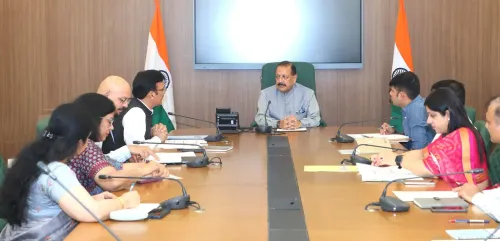
Union Minister of State (Independent Charge) for Science and Technology Dr. Jitendra Singh took to X on Thursday, 23 July 2026 to flag his engagement with the Department of Biotechnology (DBT) in the Rajya Sabha, India's upper house of Parliament, sharing a post tagged with the hashtags #DBT and #RajyaSabha.
Context
The post, accompanied by an image, signals the minister's active participation in parliamentary proceedings concerning the Department of Biotechnology. Rajya Sabha sessions routinely serve as a forum where ministers respond to questions, table statements, and engage in debates on science and technology policy, making such interactions a key mechanism of legislative oversight.
The Department of Biotechnology, established in 1986 as a dedicated nodal agency under the Ministry of Science and Technology, oversees India's national agenda on biotechnology research, development, and commercial applications — spanning genomics, vaccine development, and bio-manufacturing.
Policy Backdrop
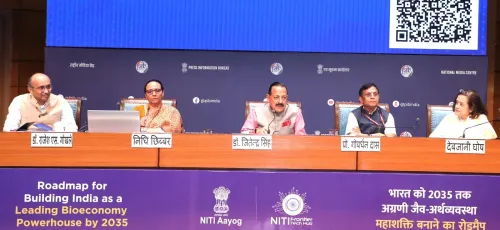
Biotechnology has been positioned as a strategic pillar of India's vision for scientific self-reliance and economic growth across successive governments. The DBT administers several flagship national missions, including programmes on genomics, agri-biotech, and bio-economy, and plays a central role in regulating and funding the country's biotech ecosystem.
Parliamentary forums such as the Rajya Sabha provide structured opportunities for scrutiny of DBT budget allocations, programme outcomes, and regulatory frameworks — with ministers expected to defend and elaborate on departmental performance before elected representatives.
Stakeholders and Impact
The primary stakeholders in any DBT-related parliamentary discussion include biotech researchers, academic and research institutions, life-sciences startups, and public-sector laboratories that depend on departmental funding and policy direction. Clarity emerging from such Rajya Sabha interactions can directly influence research priorities and investment sentiment in the sector.
For the broader scientific community, ministerial statements in Parliament carry weight as official government positions, often signalling upcoming policy shifts, budget reorientations, or new scheme launches in the biotechnology domain.
What's Next
Observers will watch for detailed disclosures from this parliamentary interaction, including any announcements on DBT budget allocations, new biotechnology policy frameworks, or updates on ongoing national missions. Such statements, once tabled in the Rajya Sabha, become part of the official parliamentary record and can set the tone for sector-wide expectations in the months ahead.
With India's bio-economy ambitions growing, the minister's continued engagement with Parliament on DBT matters underscores the government's intent to keep biotechnology at the centre of its science and innovation agenda.
Point of View
Any signal from the science minister in Parliament is closely read by the research and industry community for policy cues. The choice to highlight both #DBT and #RajyaSabha together suggests an intent to connect institutional accountability with public awareness. It also reflects the government's wider effort to frame biotechnology as a mainstream national priority, not merely a niche scientific concern.
NationPress
22 Oct 2026
Frequently Asked Questions
What is the Department of Biotechnology (DBT) in India?
The Department of Biotechnology is a nodal government agency under India's Ministry of Science and Technology, established in 1986. It oversees biotechnology research, development, funding, and regulation, including national missions on genomics, vaccines, and bio-manufacturing.
What did Dr. Jitendra Singh say about DBT in Rajya Sabha?
Dr. Jitendra Singh posted on X on 23 July 2026 referencing his engagement with DBT matters in the Rajya Sabha, accompanied by an image. The specific content of his parliamentary statement has not been separately detailed beyond the post.
What is Dr. Jitendra Singh's role in the science ministry?
Dr. Jitendra Singh is the Union Minister of State (Independent Charge) for Science and Technology and Earth Sciences. He also holds the charge of Minister of State in the Prime Minister's Office and the Ministry of Personnel.
Why does the Rajya Sabha discuss the Department of Biotechnology?
The Rajya Sabha, as India's upper house of Parliament, exercises legislative oversight over all government departments, including DBT. Ministers respond to questions and debates on DBT's budget, programmes, and policy direction during parliamentary sessions.
What are India's key biotechnology missions under DBT?
The Department of Biotechnology oversees several national missions including programmes on genomics, agricultural biotechnology, vaccine development, and bio-manufacturing, all aimed at advancing India's bio-economy and scientific self-reliance.