Dr. Jitendra Singh Thanks CM Yogi at Lucknow Governance Workshop
Synopsis
Union Minister Dr. Jitendra Singh thanked UP Chief Minister Yogi Adityanath for attending the Capacity Building Commission's 'Sadhana Shrinkala' workshop in Lucknow, calling UP a proactive implementer of PM Modi's good-governance reforms under Mission Karmayogi.
Key Takeaways
The Capacity Building Commission of India held a Sadhana Shrinkala capacity-building workshop in Lucknow on 23 October 2026 .
Jitendra Singh publicly thanked CM Yogi Adityanath for attending the workshop in person.
Mission Karmayogi , approved by Cabinet in 2020 , targets competency-building for approximately 1.5 crore civil servants across India.
The programme shifts civil service training from rule-based compliance to role-based, citizen-centric competency.
Uttar Pradesh has been publicly positioned as one of the early state-level adopters of the central government's good-governance reform framework.
Singh's dual role in the PMO and the Department of Personnel places him at the centre of translating reform policy into state-level implementation.
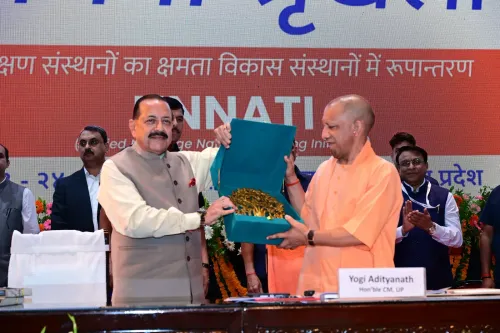
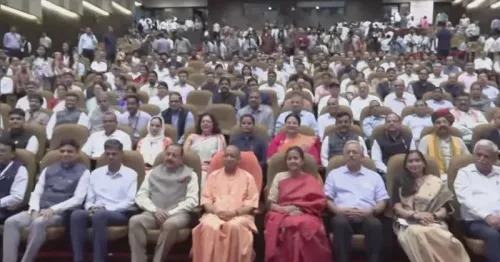
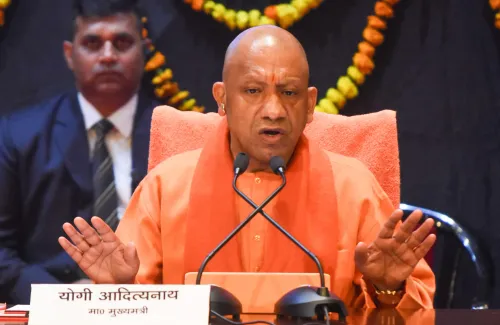
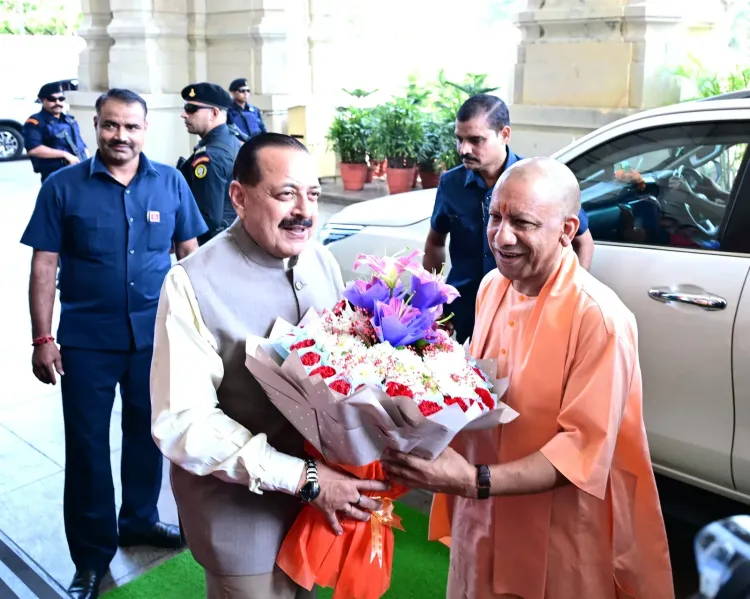
A flagship capacity-building drive reached Lucknow on Friday, 23 October 2026, as the Capacity Building Commission of India convened a Sadhana Shrinkala (Sadhana Series) workshop — and Union Science and Technology Minister Dr. Jitendra Singh used the occasion to publicly credit Uttar Pradesh Chief Minister Yogi Adityanath for lending personal weight to the programme.
In his post on X, Dr. Singh expressed 'heartfelt gratitude' to CM Yogi for 'gracing the workshop with his valuable time', adding that the Yogi government has 'always been proactive in implementing good-governance reforms conceptualised and initiated by Prime Minister Narendra Modi'. The minister described the efforts as playing 'an important role in enhancing administrative efficiency, making working methods more effective, and strengthening citizen-centric governance'.
What the Sadhana Shrinkala programme sets out to do
The workshop is part of a series organised by the Capacity Building Commission, a statutory body set up under the Department of Personnel and Training to drive Mission Karmayogi — the 2020 Cabinet-approved national programme aimed at overhauling how India's roughly 1.5 crore civil servants are trained. The shift at the heart of the reform is conceptual: away from rule-based compliance towards role-based competency, equipping officers to deliver outcomes rather than merely follow procedure.
Lucknow-hosted editions of the series signal that the Commission is taking its capacity-building mandate directly into state capitals, rather than limiting activity to New Delhi. The format — a workshop series with a named brand — is designed to build continuity and institutional ownership at the state level.
Uttar Pradesh as an early-mover on Mission Karmayogi
Uttar Pradesh has positioned itself publicly among the states moving earliest to align with the central reform framework. CM Yogi's decision to personally attend a Commission workshop — rather than deputing a bureaucratic representative — carries a visible political signal: that administrative reform is a priority the state leadership endorses at the top. Since 2017, when Yogi Adityanath assumed office, the state administration has been held up in central government communications as a model for implementing New Delhi-driven governance initiatives.
Dr. Singh's twin roles — as MoS in the Prime Minister's Office and as the minister overseeing the Department of Personnel — place him at the institutional intersection between PMO-level reform ambition and the machinery that trains the civil service to deliver it. His attendance and acknowledgment at Lucknow are part of an ongoing effort to widen state buy-in for Mission Karmayogi beyond the handful of early adopters.
As more state governments are expected to host Sadhana Shrinkala editions in the months ahead, the question that will define the programme's real impact is whether workshop attendance translates into measurable changes on the ground — in service delivery, grievance redressal, and the day-to-day quality of governance that citizens actually experience.
Point of View
Reinforcing both political solidarity and institutional ownership of programmes like Mission Karmayogi. CM Yogi's personal presence at a Commission workshop elevates it from a bureaucratic exercise to a politically endorsed priority, which accelerates state-level adoption. For the Capacity Building Commission, securing high-profile state buy-in is essential to Mission Karmayogi's credibility, given that the programme's success ultimately depends on implementation at the district and block level. The Lucknow workshop is a small but visible link in the larger chain of reform outreach the Commission needs to sustain across India's most populous state.
NationPress
23 Oct 2026
Frequently Asked Questions
What is the Sadhana Shrinkala workshop?
Sadhana Shrinkala ('Sadhana Series') is a capacity-building workshop series organised by the Capacity Building Commission of India to train civil servants as part of Mission Karmayogi, the national programme for civil services reform launched in 2020.
What is Mission Karmayogi?
Mission Karmayogi is India's National Programme for Civil Services Capacity Building, approved by the Union Cabinet in 2020. It aims to shift training for approximately 1.5 crore civil servants from rule-based compliance to role-based, competency-driven approaches.
Why did Dr. Jitendra Singh thank Yogi Adityanath?
Dr. Jitendra Singh thanked UP Chief Minister Yogi Adityanath for personally attending the Capacity Building Commission's Sadhana Shrinkala workshop in Lucknow on 23 October 2026, which he said enhanced the event's significance.
What is the Capacity Building Commission of India?
The Capacity Building Commission is a statutory body under the Department of Personnel and Training, established to oversee and drive the implementation of Mission Karmayogi across central and state government levels.
How is Uttar Pradesh involved in Mission Karmayogi?
Uttar Pradesh has been publicly recognised as one of the proactive state-level adopters of the central government's good-governance reform framework, with the Yogi Adityanath government actively participating in Mission Karmayogi-linked programmes since 2017.