J&K CM Omar Abdullah pushes for exam reforms, computer-based testing
Synopsis
Triggered in part by the NEET-UG fiasco that disrupted lakhs of students nationally, J&K Chief Minister Omar Abdullah has convened a high-powered task force to overhaul the region's examination framework — pushing for computer-based testing, board score integration, and an end to subjective interview manipulation. The reforms could reshape how students in J&K compete for seats and jobs.
Key Takeaways
J&K Chief Minister Omar Abdullah chaired an HPTF meeting on examination reforms on 12 November 2026 at the Civil Secretariat, Jammu.
He called for a phased shift to computer-based testing (CBT) , with adequate student familiarisation before wider rollout.
Abdullah proposed integrating school board performance into competitive exams and a normalisation mechanism across JKBOSE, CBSE, and ICSE .
The NEET-UG cancellation and re-examination were cited as key triggers underscoring the urgency of reforms.
Transparency in interview and viva-voce components flagged as a critical concern; task force directed to recommend corrective measures.
Meeting attended by ministers, acting chief secretary, JKSSB Chairman , and task force members including Tapan Kumar Deka and V.
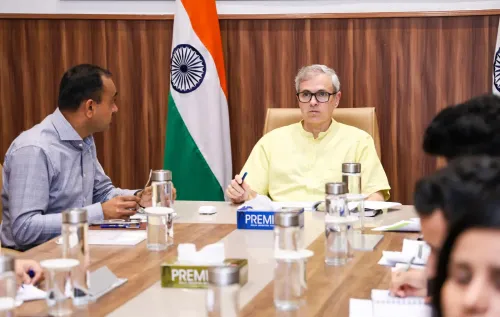
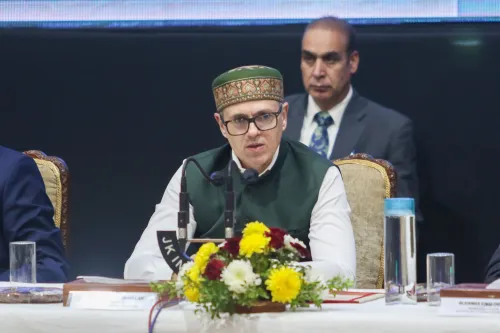
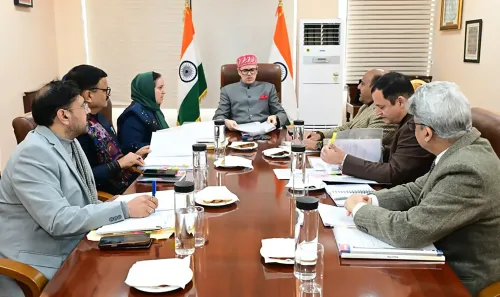
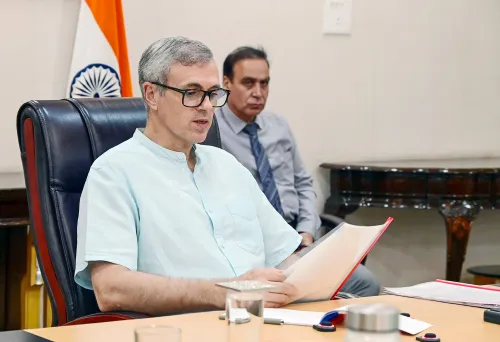
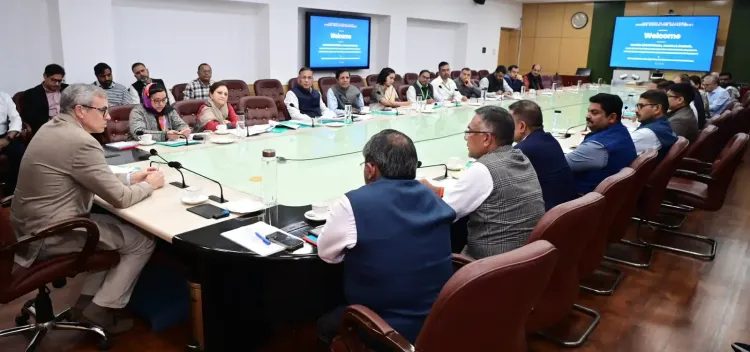
Jammu and Kashmir Chief Minister Omar Abdullah on Thursday, 12 November 2026, chaired a high-level meeting with the High-Powered Task Force (HPTF) on examination reforms at the Civil Secretariat in Jammu, calling for a sweeping overhaul of the region's assessment systems to make them secure, transparent, and entirely merit-driven.
Key Demands from the Chief Minister
Abdullah extended full support to the task force and outlined several reform priorities: strengthening examination security, a phased transition to computer-based testing (CBT), enhancing the credibility of board examinations, and addressing concerns around subjectivity in oral and interview-based selection components. He stressed that merit must remain the sole criterion for selection across all examinations in Jammu and Kashmir.
Critically, he flagged that the urgency for robust reforms had been underscored by the cancellation of NEET-UG and the subsequent re-examination, which caused considerable inconvenience and stress to lakhs of aspirants across the country. This reference signals that J&K's internal reform push is being shaped, at least in part, by the national controversy over examination integrity.
Technology, Board Integration and Normalisation
On the shift to digital examinations, Abdullah cautioned that students must be adequately familiarised with the technology before it is introduced at scale — signalling a measured, phased rollout rather than an abrupt transition. He also advocated integrating school board examination performance into competitive and entrance frameworks, with the aim of reducing excessive dependence on single high-stakes tests and restoring the value of regular schooling.
To ensure fairness in such an integrated model, the Chief Minister called for a suitable normalisation mechanism to level the playing field across the Jammu and Kashmir Board of School Education (JKBOSE), CBSE, and ICSE, so that no candidate is disadvantaged by their board affiliation.
Tackling Subjectivity in Interviews and Viva-Voce
Abdullah also raised concerns about the lack of objectivity in interview and viva-voce components of recruitment and admissions processes, noting frequent candidate complaints regarding subjectivity and potential manipulation of marks. He directed the task force to examine measures to make oral assessments more accountable and transparent.
Existing Security Measures and Institutional Reviews
Higher Education Department Commissioner Secretary Ram Niwas Sharma presented a detailed overview of current examination security arrangements, which include police-escorted movement of examination material, CCTV-monitored strong rooms, round-the-clock security, prescribed frisking procedures, and continuous monitoring of examination centres.
The meeting also reviewed reforms undertaken by the Jammu and Kashmir Public Service Commission (JKPSC), the Jammu and Kashmir Services Selection Board (JKSSB), universities, and other higher education institutions — particularly regarding digital examinations, transparent evaluation, timely results, and prompt degree issuance.
The meeting was attended by Health and Medical Education Minister Sakina Itoo, Education and Higher Education Minister Shamim Firdous, Acting Chief Secretary Shailendra Kumar, Additional Chief Secretary to the Chief Minister Dheeraj Gupta, JKSSB Chairman Shrikant Balasaheb Suse, and task force members Tapan Kumar Deka and V. Kamakoti. The visiting members were accompanied by the National Recruitment Agency director and other task force officials.
With a formal roadmap yet to be published, all eyes will be on the HPTF's recommendations and the timeline the J&K government sets for rolling out these reforms across its examination bodies.
Point of View
And a task force recommendation is not a reform. The proposal to integrate board scores into competitive frameworks raises a genuine equity question — JKBOSE, CBSE, and ICSE are not equivalent benchmarks, and without a credible normalisation formula, integration could entrench new inequities rather than remove old ones. The government's real test will be whether it moves from high-level meetings to published timelines, independent oversight, and verifiable outcomes.
NationPress
12 Nov 2026
Frequently Asked Questions
What examination reforms has J&K CM Omar Abdullah called for?
Omar Abdullah has called for a comprehensive overhaul of Jammu and Kashmir's examination system, including a phased transition to computer-based testing, integration of school board scores into competitive exams, a normalisation mechanism across JKBOSE, CBSE, and ICSE, and greater objectivity in interview and viva-voce assessments. He chaired a meeting with the High-Powered Task Force (HPTF) on 12 November 2026 at the Civil Secretariat in Jammu.
Why is J&K undertaking examination reforms now?
Chief Minister Abdullah cited the cancellation of NEET-UG and its subsequent re-examination as a key trigger, noting it caused considerable inconvenience to lakhs of aspirants across the country. The national controversy over examination integrity has accelerated the push for a more secure, transparent, and technology-driven system within J&K.
What is the High-Powered Task Force (HPTF) on examination reforms?
The HPTF is a task force constituted to review and recommend reforms to J&K's examination framework. Its members include Tapan Kumar Deka and V. Kamakoti, and it is supported by the National Recruitment Agency. The task force reviewed reforms across JKPSC, JKSSB, universities, and other higher education institutions at the 12 November meeting.
How will J&K ensure fairness if board scores are integrated into competitive exams?
Chief Minister Abdullah stressed the need for a normalisation mechanism to ensure a level playing field across JKBOSE, CBSE, and ICSE, so that candidates from different boards are not disadvantaged. The task force has been directed to work out the specifics of such a mechanism before any integration is implemented.
What security measures are currently in place for J&K public examinations?
According to Higher Education Department Commissioner Secretary Ram Niwas Sharma, existing measures include police-escorted movement of examination material, CCTV-monitored strong rooms, round-the-clock security, prescribed frisking procedures, and continuous monitoring of examination centres. These were presented at the 12 November HPTF meeting as the baseline on which further reforms will build.