JNU advises students to avoid Jantar Mantar amid NEET protest
Synopsis
Both JNU and Delhi University have formally warned their students away from Jantar Mantar within 24 hours, citing Supreme Court directions and safety risks, as NEET paper leak protests demanding Education Minister Dharmendra Pradhan’s resignation continue despite activist Sonam Wangchuk ending his 26-day fast.
Key Takeaways
JNU issued an advisory on 24 July asking students and faculty to avoid Jantar Mantar amid ongoing protests.
Delhi University issued a similar advisory on 23 July , citing Supreme Court directions and safety concerns.
The protests are being held by the Cockroach Janta Party (CJP) over the NEET paper leak and demands for Education Minister Dharmendra Pradhan’s resignation.
Both advisories warn of legal consequences and disciplinary action for social media violations related to the protests.
Demonstrations have continued even after activist Sonam Wangchuk ended his 26-day fast .
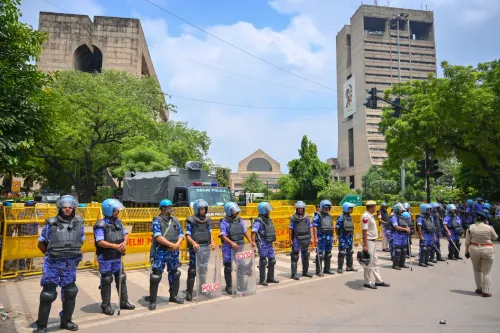
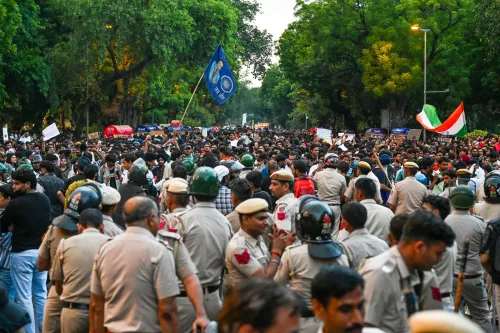
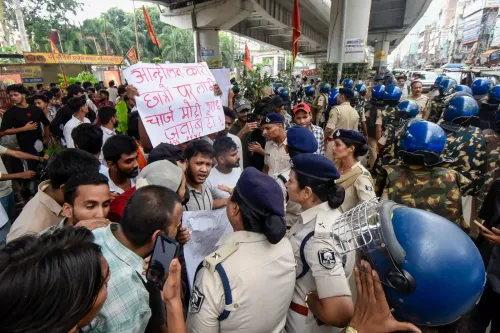
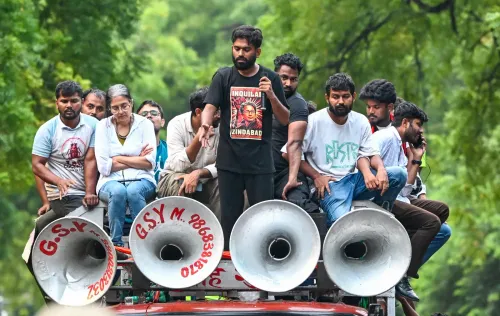
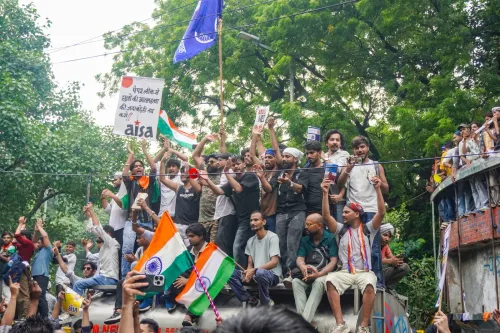
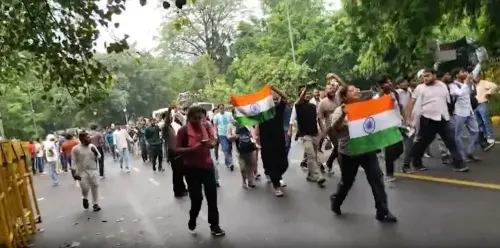
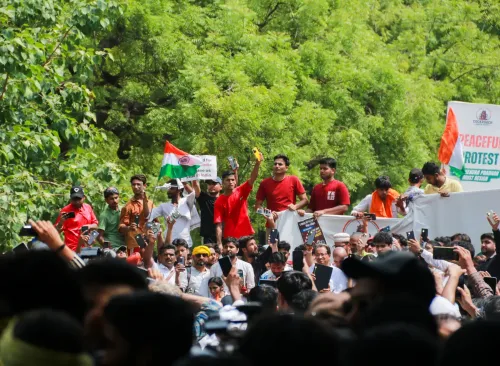
Jawaharlal Nehru University (JNU) on Friday, 24 July issued an advisory urging students, faculty, and all members of its academic community to stay away from Jantar Mantar in New Delhi, where the Cockroach Janta Party (CJP) is holding protests over the NEET paper leak and related demands. The move follows a near-identical advisory issued a day earlier by the University of Delhi (DU), making it the second central university within 24 hours to formally caution its community against joining or visiting the demonstrations.
What the JNU Advisory Said
In its official statement, JNU invoked directions of the Supreme Court of India on public demonstrations, asking stakeholders to refrain from participating in or visiting gatherings at or around Jantar Mantar. “All stakeholders of JNU’s epistemic community are advised to act responsibly and prioritise their personal safety. In accordance with the Hon’ble Supreme Court of India’s directions on public demonstrations, you are requested to refrain from participating in or visiting gatherings at or around Jantar Mantar, New Delhi,” the advisory stated.
The university also extended its caution to social media conduct, warning that violations could attract both legal consequences and disciplinary action under the university’s code of conduct. Students and staff were further encouraged to “upholdthe values of academic responsibility and responsible citizenship.”
Delhi University Had Moved First
On Thursday, 23 July, Delhi University had issued a comparable appeal to its students and faculty, citing safety and legal concerns. “Dear students and faculty, your safety matters to us,” the DU advisory read, noting that gatherings at Jantar Mantar are subject to regulations and restrictions under Supreme Court directions. DU had explicitly warned against participation in unlawful assemblies or demonstrations, framing student safety as its foremost priority.
The Protests Driving the Advisories
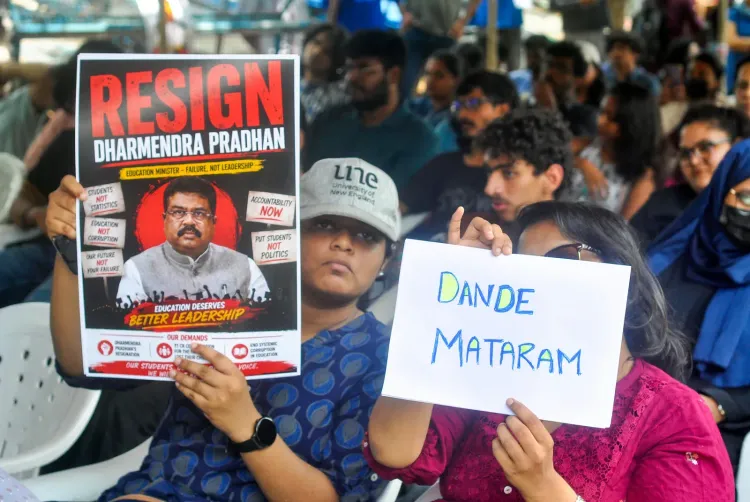
The demonstrations at Jantar Mantar have centred on demands for the resignation of Education Minister Dharmendra Pradhan over the NEET paper leak controversy. Notably, the protests have continued even after activist Sonam Wangchuk ended his 26-day fast, suggesting the agitation retains independent momentum beyond any single figurehead. The CJP has been among the groups sustaining pressure at the site over the exam integrity issue and related concerns.
Broader Context and What It Signals
The simultaneous advisories from two of India’s most prominent central universities reflect a cautious institutional posture amid an ongoing and politically charged protest cycle. This is not the first time universities have issued such preemptive notices during large-scale demonstrations in the capital. The invocation of Supreme Court directions lends the advisories a legal weight beyond routine administrative guidance. Whether the warnings will deter student participation remains to be seen, given the historically active campus culture at both institutions.
Point of View
But it also raises a harder question: at what point does an advisory shade into a chilling effect on the right to peaceful protest? JNU in particular has a long tradition of student political engagement, and blanket cautions tied to social media conduct go beyond physical safety into expression. The NEET paper leak agitation has outlasted Wangchuk’s fast, which suggests the underlying grievance — systemic exam integrity failure — is not going away regardless of what university administrations advise.
NationPress
23 Oct 2026
Frequently Asked Questions
Why did JNU issue an advisory about Jantar Mantar?
JNU issued the advisory on 24 July asking students and faculty to avoid Jantar Mantar, where the Cockroach Janta Party is protesting over the NEET paper leak and demanding Education Minister Dharmendra Pradhan’s resignation. The university cited Supreme Court directions on public demonstrations and warned of legal and disciplinary consequences for violations.
What did Delhi University’s advisory say?
Delhi University issued its advisory on 23 July, a day before JNU, urging students and faculty to stay away from Jantar Mantar gatherings. DU cited safety concerns and Supreme Court restrictions, warning explicitly against participation in unlawful assemblies.
What are the protests at Jantar Mantar about?
The protests are focused on the NEET paper leak controversy and demands for the resignation of Education Minister Dharmendra Pradhan. The demonstrations have continued even after activist Sonam Wangchuk ended his 26-day fast, indicating broader and sustained public discontent.
Can students face legal action for attending the protests?
Both JNU and DU advisories warn that participation could attract legal consequences under applicable laws, in addition to disciplinary action under the respective universities’ codes of conduct. The advisories also specifically caution against social media activity related to the protests.
Who is organising the Jantar Mantar protests?
The Cockroach Janta Party (CJP) is among the groups organising demonstrations at Jantar Mantar, primarily over the NEET paper leak issue and demands for accountability from the Education Ministry.