Joshi Secures Fadnavis Assurance on Detained Arecanut Trucks
Synopsis
Union Consumer Affairs Minister Pralhad Joshi intervened with Maharashtra CM Devendra Fadnavis on 7 July 2026 to secure the immediate release of Karnataka arecanut consignments detained for laboratory checks across Maharashtra, bringing relief to growers and cooperatives including CAMPCO, MAMCOS, and TUMCOS.
Key Takeaways
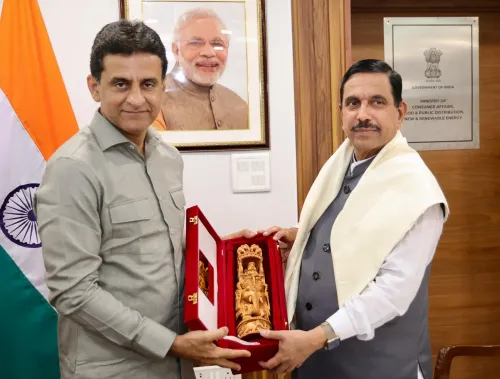
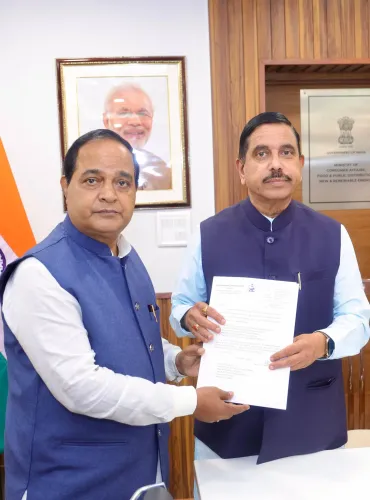
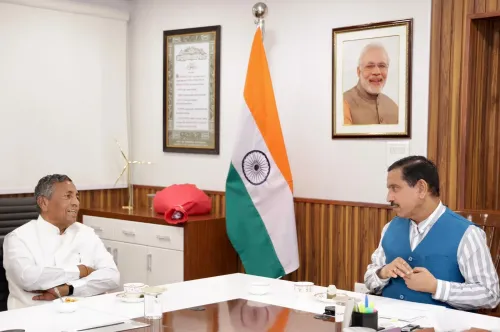
Karnataka arecanut cooperatives CAMPCO, MAMCOS, TUMCOS and the Karnataka Arecanut Cooperative Federation met Union Minister Pralhad Joshi on 7 July 2026 seeking intervention over detained transit vehicles in Maharashtra.
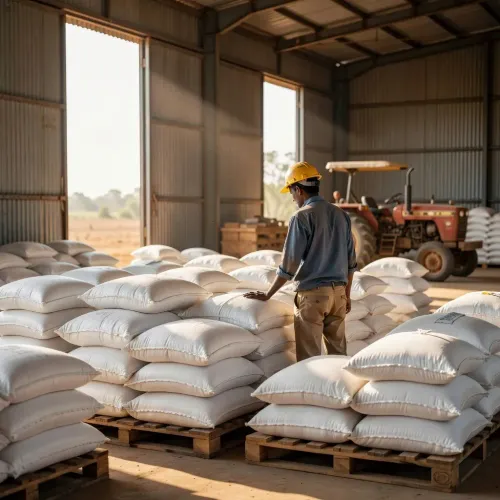
Arecanut transport vehicles were being held across Maharashtra for multi-day laboratory inspections, causing crop damage and financial losses for Karnataka growers.
Minister Joshi immediately raised the matter with Maharashtra CM Devendra Fadnavis , who responded positively the same day.
CM Fadnavis assured the immediate release of all detained arecanut consignments and directed that such disruptions not recur.
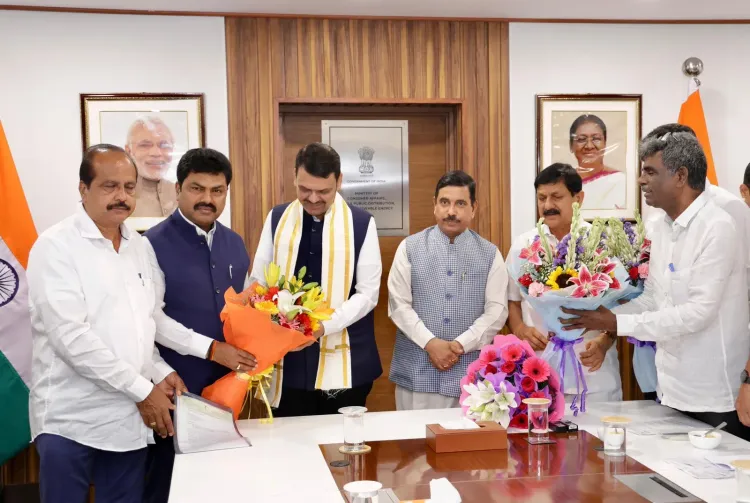
Raghavendra and Kota Shrinivasa Poojari , former minister Araga Jnanendra , and MLAs Capt Brijesh Chowta and Rajesh Nayak were present at the meeting.
The resolution was framed by Joshi as an example of Centre-State cooperative federalism in action for farmer welfare.
Union Consumer Affairs Minister Pralhad Joshi on Tuesday, 7 July 2026, intervened directly with Maharashtra Chief Minister Devendra Fadnavis to secure the immediate release of arecanut transit consignments that had been held up across Maharashtra for multi-day laboratory inspections, causing crop damage and financial losses to Karnataka farmers.
Context
A delegation representing four of Karnataka's foremost arecanut cooperative bodies — CAMPCO (Central Arecanut and Cocoa Marketing and Processing Cooperative), MAMCOS (Mysore Arecanut Marketing Cooperative Society), TUMCOS (Tumkur Arecanut Marketing Cooperative Society), and the Karnataka Arecanut Cooperative Federation — met Minister Joshi and urged him to step in. The cooperatives reported that transport vehicles carrying arecanut destined for North Indian markets were being detained for days pending laboratory testing, causing the perishable crop to deteriorate.
Joshi took up the matter the same day with CM Fadnavis, who responded positively. As Joshi stated in his post, 'ತಡೆಹಿಡಿಯಲಾಗಿರುವ ಅಡಿಕೆ ಸರಕನ್ನು ತಕ್ಷಣವೇ ಬಿಡುಗಡೆ ಮಾಡಲು' ('to immediately release the detained arecanut consignments'), Fadnavis gave his assurance and also directed that such disruptions should not recur.
Policy Backdrop
Inter-state movement of agricultural commodities in India is governed in part by the Food Safety and Standards Act, 2006, which empowers state food safety authorities to conduct quality and laboratory checks on produce in transit. While the intent is consumer protection, differing documentation requirements and inspection protocols across states have long been a source of friction for growers of cash crops such as arecanut.
Karnataka is India's largest arecanut-producing state, and the crop is a primary livelihood source for hundreds of thousands of farming families, particularly in the coastal and Malnad districts. Delays in transit — especially during peak marketing seasons — translate directly into spoilage and price losses that cooperative societies are ill-equipped to absorb.
Stakeholders and Impact
The immediate beneficiaries of the intervention are arecanut growers across Karnataka whose consignments were stranded in Maharashtra. The cooperative societies — CAMPCO, MAMCOS, and TUMCOS — function as the primary marketing and price-support infrastructure for these growers, meaning systemic transit disruptions affect not just individual farmers but the entire cooperative value chain.
The meeting was also attended by BJP MP B.Y. Raghavendra, MP Kota Shrinivasa Poojari, former minister and MLA Araga Jnanendra, MLA Capt Brijesh Chowta, and Rajesh Nayak — signalling broad political backing from Karnataka's BJP representatives for the cooperative sector's concerns. Joshi described the resolution as reaffirming 'our shared commitment to addressing farmers' concerns through constructive Centre-State cooperation.'
What's Next
CM Fadnavis's assurance covers both the immediate release of detained consignments and a standing direction against future disruptions. The critical follow-through will be whether the Maharashtra government issues formal orders — such as streamlined transit pass protocols or a bilateral Karnataka-Maharashtra framework — to prevent a repeat of such detentions.
Agricultural market integration and the reduction of post-harvest losses remain stated priorities of the Union government's food and farmer welfare agenda. This episode underlines the continuing need for harmonised inter-state transit rules for perishable agricultural commodities, and any formal protocol that emerges could serve as a template for other crop corridors across India.
Point of View
Joshi demonstrated the political premium the party places on the arecanut cooperative belt, which is electorally significant in coastal Karnataka. The framing of the resolution as 'constructive Centre-State cooperation' is also deliberate: it positions the BJP-governed Centre and Maharashtra as farmer-friendly counterweights to the Congress-led Karnataka government, which has its own political stakes in the cooperative sector. The durability of this fix will depend on whether Fadnavis's verbal assurance translates into a formal, enforceable transit protocol.
NationPress
6 Oct 2026
Frequently Asked Questions
Why were arecanut vehicles detained in Maharashtra?
Arecanut transport vehicles were detained across Maharashtra for laboratory quality inspections under food safety regulations, a process that stretched over multiple days and caused the perishable crop to deteriorate before reaching North Indian markets.
What did Pralhad Joshi do to resolve the arecanut detention issue?
Union Consumer Affairs Minister Pralhad Joshi met a delegation from CAMPCO, MAMCOS, TUMCOS, and the Karnataka Arecanut Cooperative Federation and then directly called Maharashtra CM Devendra Fadnavis on 7 July 2026 to seek the release of the detained consignments.
What did Maharashtra CM Devendra Fadnavis promise?
CM Fadnavis assured the immediate release of all detained arecanut consignments and directed that arrangements be made to ensure such transit disruptions do not happen in the future.
Which cooperatives were affected by the arecanut transit detention in Maharashtra?
The cooperatives affected include CAMPCO (Central Arecanut and Cocoa Marketing and Processing Cooperative), MAMCOS (Mysore Arecanut Marketing Cooperative Society), TUMCOS (Tumkur Arecanut Marketing Cooperative Society), and the Karnataka Arecanut Cooperative Federation.
How does inter-state transit affect arecanut farmers in Karnataka?
Karnataka is India's largest arecanut-producing state and growers depend on cooperative societies to market their crop to North Indian buyers. Multi-day detentions during transit cause spoilage and price losses that directly erode farmer incomes and cooperative revenues.