Joshi Hails Lucnica Ensemble's Vande Mataram in Bratislava
Synopsis
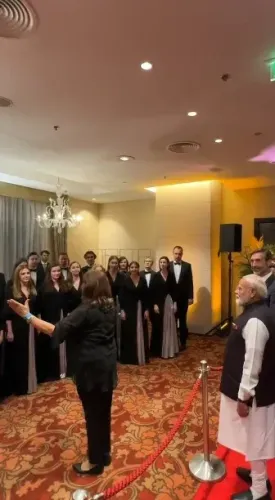
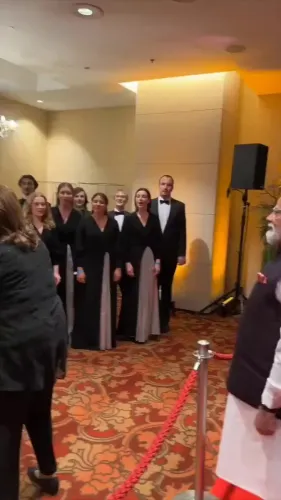
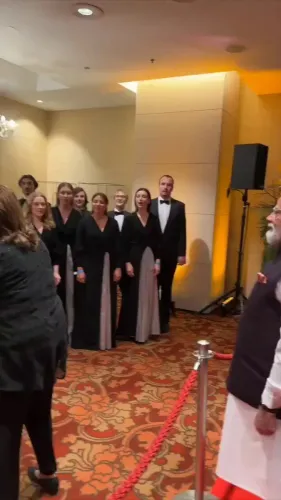
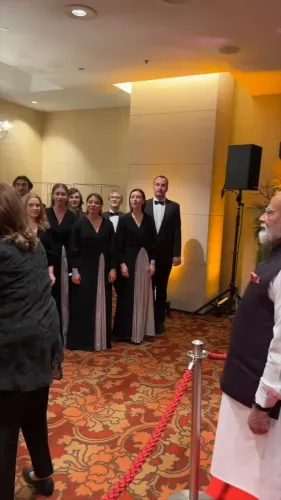
Union Minister Pralhad Joshi praised Slovakia's celebrated Lucnica Ensemble for performing Vande Mataram in Bratislava on June 15, 2026, calling it a powerful symbol of cultural connections between India and Slovakia and tagging Prime Minister Narendra Modi.
Key Takeaways
Union Minister Pralhad Joshi praised the Lucnica Ensemble 's rendition of Vande Mataram in Bratislava, Slovakia on June 15, 2026 .
The Lucnica Ensemble is Slovakia's premier professional folk music and dance company, known for international adaptations.
India and Slovakia have maintained diplomatic relations since 1993 , with modest but steady cultural exchanges.
The Indian Council for Cultural Relations (ICCR) , founded in 1950 , has long promoted overseas performances of Indian national compositions as cultural diplomacy.
Minister Joshi tagged Prime Minister Narendra Modi , aligning the post with the central government's soft-power outreach narrative.
The event may precede formal steps such as renewal of a cultural MoU or a meeting of the India-Slovakia Joint Commission .
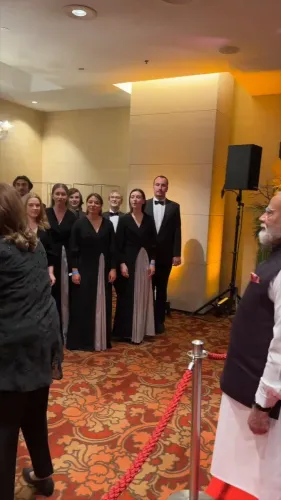
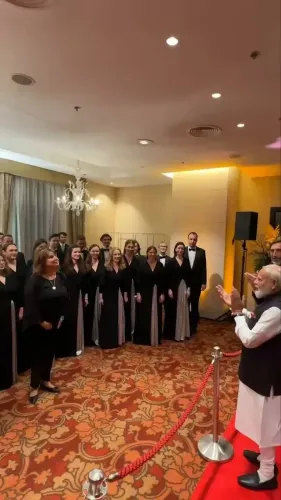
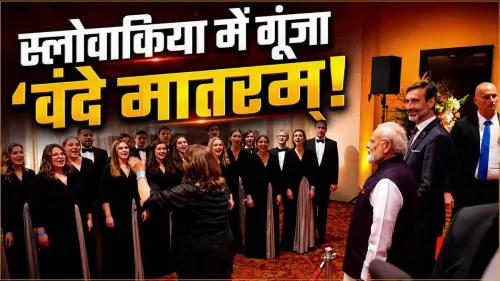
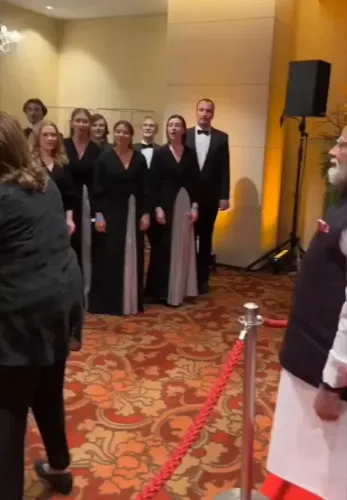
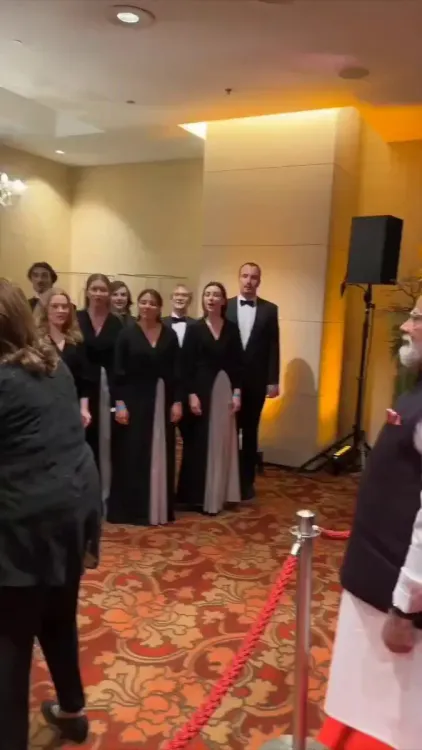
Union Consumer Affairs Minister Pralhad Joshi on Monday, June 15, 2026, praised a performance of India's national song Vande Mataram by Slovakia's Lucnica Ensemble in Bratislava, calling it a testament to enduring cultural ties between the two nations and tagging Prime Minister Narendra Modi in the post.
Context
Sharing a video of the performance, Minister Joshi wrote that 'music has the power to transcend borders, connect cultures and celebrate shared values,' describing the rendition as 'unique and captivating.' He called the event 'heartening' and said it stood as proof of the 'enduring cultural connections that bring people and nations closer together.'
The Lucnica Ensemble, based in Bratislava, is Slovakia's premier professional folk music and dance company, internationally recognised for its tours and its willingness to adapt global repertoire. A performance of Vande Mataram — India's national song — by such an ensemble represents a notable moment in bilateral people-to-people outreach.
Policy Backdrop
India and Slovakia established diplomatic relations in 1993, maintaining modest but steady cultural and economic exchanges since. Overseas performances of iconic Indian compositions have long been a tool of Indian cultural diplomacy, institutionalised through the Indian Council for Cultural Relations (ICCR), which was set up in 1950 to promote cultural exchanges with foreign nations.
Successive governments have used such events — particularly during bilateral visits and cultural festivals — to complement political and economic dialogues with European partners. The tagging of Prime Minister Modi in the post aligns with standard ministerial practice of connecting cultural commentary to the central government's broader external outreach narrative, which has emphasised soft-power projection as a pillar of foreign policy.
Stakeholders and Impact
The primary beneficiaries of such cultural exchanges are the Indian diaspora in Central Europe, cultural audiences in Slovakia, and the broader diplomatic relationship between the two countries. Performances of national compositions abroad serve a dual purpose: reinforcing Indian identity for diaspora communities and introducing Indian cultural heritage to local populations.
For the Lucnica Ensemble, adapting Vande Mataram into its folk-inflected style signals a reciprocal cultural curiosity that Indian diplomats and cultural bodies typically seek to encourage and sustain through formal and informal engagements.
What's Next
Attention will now turn to whether this cultural moment is followed by formal institutional steps, such as a renewal of a cultural memorandum of understanding between India and Slovakia, or the scheduling of the next meeting of the India-Slovakia Joint Commission. Such performances often serve as soft openings for deeper bilateral conversations on trade, education, and people-to-people links.
If the government chooses to formalise this engagement, reciprocal performances featuring Slovak folk traditions on Indian stages could become part of the cultural exchange calendar, deepening a relationship that has so far remained understated relative to India's engagements with larger European Union members.
Point of View
One-off gesture.
NationPress
15 Sept 2026
Frequently Asked Questions
What did Pralhad Joshi say about the Lucnica Ensemble?
Minister Pralhad Joshi said the Lucnica Ensemble's rendition of Vande Mataram in Bratislava was 'unique and captivating' and called it a testament to enduring cultural connections between people and nations.
Who is the Lucnica Ensemble?
The Lucnica Ensemble is Slovakia's premier professional folk music and dance company based in Bratislava, internationally known for tours and adaptations of global musical repertoire.
Why was Vande Mataram performed in Slovakia?
Vande Mataram, India's national song, was performed by the Lucnica Ensemble in Bratislava as part of a cultural exchange, reflecting India's longstanding practice of using iconic national compositions to build people-to-people ties abroad.
What is India's cultural diplomacy with Slovakia?
India and Slovakia established diplomatic relations in 1993 and have maintained cultural exchanges since, with bodies like the Indian Council for Cultural Relations facilitating overseas performances and bilateral cultural programmes.
Why did Pralhad Joshi tag PM Modi in the post?
Tagging Prime Minister Narendra Modi is standard ministerial practice to align cultural commentary with the central government's broader external outreach and soft-power narrative.