Kalpasar Project: India-Netherlands LoI signed, Gujarat dam inches forward
Synopsis
A decades-old Gujarat dream got a fresh diplomatic push — India and the Netherlands have signed a Letter of Intent on the Kalpasar project, the proposed dam across the Gulf of Khambhat that promises irrigation for 10 lakh hectares, 2,500 MW of renewable energy, and a dramatic shortcut between South Gujarat and Saurashtra. The Dutch connection, cemented by PM Modi's visit to the iconic Afsluitdijk, signals serious international technical backing for a project that has been in planning since 2004.
Key Takeaways
India and the Netherlands signed a Letter of Intent between the Ministry of Jal Shakti and the Netherlands' Ministry of Infrastructure and Water Management to advance the Kalpasar project .
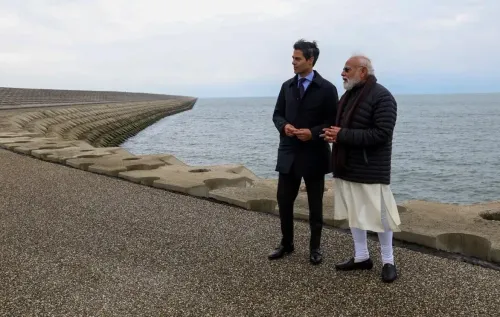
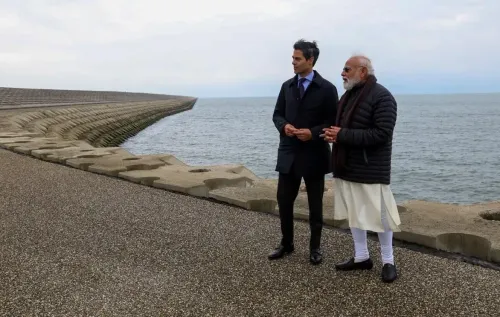
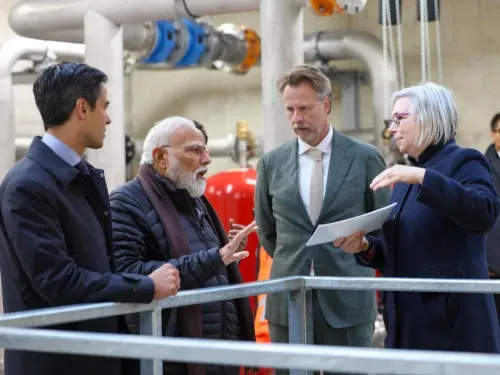
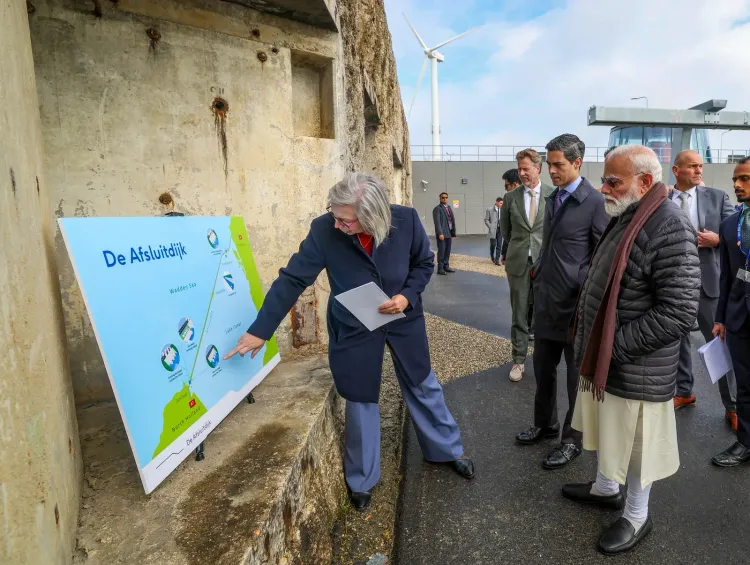
PM Modi visited the Afsluitdijk , a 32-km Dutch barrier dam, cited as a coastal engineering reference for Kalpasar's design.
The project proposes a dam across the Gulf of Khambhat to irrigate 10 lakh hectares across 42 talukas in nine districts of Saurashtra .
Integrated energy components include an estimated 1,500 MW wind and 1,000 MW solar generation capacity.
The dam could cut the South Gujarat–Saurashtra road distance from 240 km to approximately 60 km .
The project was first conceptualised during Modi's tenure as Gujarat Chief Minister , with a marine survey begun in Bhavnagar in 2004 .
The Kalpasar project, Gujarat's long-proposed dam across the Gulf of Khambhat, moved a step closer to realisation after India and the Netherlands signed a Letter of Intent (LoI) to deepen technical cooperation on the ambitious water infrastructure plan. The agreement, inked during Prime Minister Narendra Modi's recent visit to the Netherlands, was formalised between India's Ministry of Jal Shakti and the Netherlands' Ministry of Infrastructure and Water Management.
What the Agreement Covers
The LoI is designed to support the planning and eventual execution of one of Gujarat's most complex infrastructure proposals — one that has remained under technical review for decades owing to its scale, engineering demands, and environmental considerations. Discussions have also included the formation of Indo-Dutch expert groups and strengthened government-to-government cooperation frameworks.
This engagement sits within the broader India-Netherlands Strategic Partnership on Water, which encompasses water management, climate adaptation, and sustainable infrastructure development. Netherlands-based engineering consultancy Royal HaskoningDHV has already contributed to aspects of the detailed project report, particularly on closure methodology and marine engineering design.
Modi's Visit to Afsluitdijk
During the visit, Prime Minister Modi toured the Afsluitdijk, a 32-kilometre barrier dam completed by the Netherlands nearly eight decades ago. The structure separates the North Sea from inland freshwater systems and is internationally cited for its flood protection and land reclamation functions. Dutch authorities presented the site as a reference point for large-scale coastal engineering — the same category of challenge that the Kalpasar design poses.
What Kalpasar Proposes
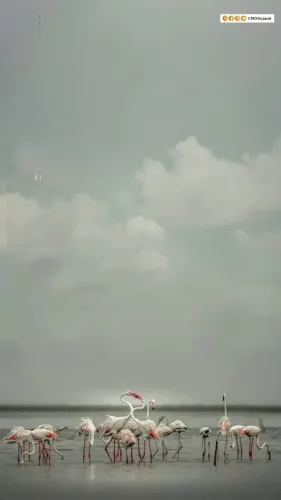
The project envisions a major dam across the Gulf of Khambhat to trap freshwater from seven rivers flowing into the sea, creating a large reservoir for irrigation and drinking water supply. If completed, it is expected to bring irrigation benefits to approximately 10 lakh hectares of land across 42 talukas in nine districts of Saurashtra.
Beyond water storage, the plan integrates renewable energy components — with an estimated generation potential of around 1,500 MW of wind energy and 1,000 MW of solar power — alongside prospects for fisheries development, tourism, and transport infrastructure. Notably, the project is projected to reduce the road distance between South Gujarat and Saurashtra from roughly 240 kilometres to about 60 kilometres, significantly reshaping regional connectivity.
Decades in the Making
The Kalpasar proposal was first conceptualised during the tenure of Narendra Modi as Chief Minister of Gujarat, with a marine survey initiated in Bhavnagar in 2004 to assess feasibility and design parameters. The project has since undergone multiple rounds of study and technical review without advancing to construction.
Gujarat has historically contended with irregular rainfall and periodic drought. While the Sardar Sarovar Dam has been the state's primary water anchor, officials have argued that dependence on a single major reservoir may not provide adequate long-term resilience — a concern that lends urgency to Kalpasar's revival.
Recent Diplomatic Momentum
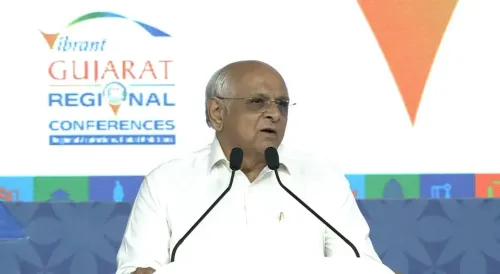
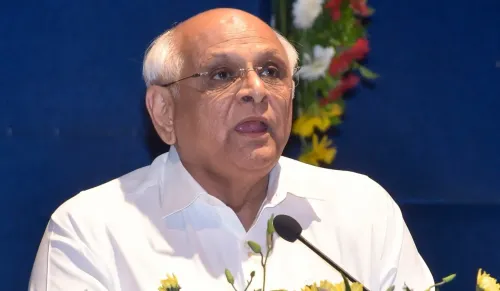
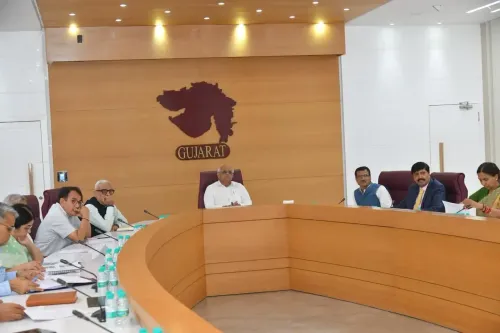
The latest push builds on a 30 March meeting in Gandhinagar between Chief Minister Bhupendra Patel and Dutch Ambassador Marisa Gerards, which focused on technical collaboration and institutional partnership models. For Gujarat, the renewed engagement signals a deliberate effort to integrate international expertise with long-standing domestic planning. Whether the project clears its remaining engineering and environmental hurdles will determine whether decades of planning finally translate into ground-level action.
Point of View
Surveys, and political endorsements without breaking ground. The Dutch parallel is instructive: Afsluitdijk took political will, sustained funding, and engineering consensus over many years. India's challenge is that Kalpasar still faces unresolved environmental scrutiny and financing questions that a Letter of Intent does not answer. The real test is whether this latest momentum converts into a funded, time-bound project report with independent environmental clearance — or becomes another entry in a long list of ambitious Gujarat infrastructure announcements that stalled at the planning stage.
NationPress
7 Oct 2026
Frequently Asked Questions
What is the Kalpasar project?
The Kalpasar project is a proposed large-scale dam across the Gulf of Khambhat in Gujarat, designed to trap freshwater from seven rivers flowing into the sea. It aims to create a reservoir for irrigation across 10 lakh hectares and drinking water supply, while also generating an estimated 1,500 MW of wind and 1,000 MW of solar energy.
What did India and the Netherlands agree on regarding Kalpasar?
During PM Modi's visit to the Netherlands, India's Ministry of Jal Shakti and the Netherlands' Ministry of Infrastructure and Water Management signed a Letter of Intent to expand technical cooperation on the Kalpasar project, covering planning, execution support, and institutional partnership frameworks.
Why is Dutch expertise relevant to the Kalpasar project?
The Netherlands has extensive experience in large-scale coastal engineering, exemplified by the Afsluitdijk — a 32-kilometre barrier dam that separates the North Sea from inland freshwater systems. Dutch consultancy Royal HaskoningDHV has already contributed to Kalpasar's detailed project report on closure methodology and marine engineering.
How long has the Kalpasar project been in planning?
The project was first conceptualised during Narendra Modi's tenure as Chief Minister of Gujarat, with a marine survey initiated in Bhavnagar in 2004. It has since undergone multiple rounds of technical review and study without advancing to construction.
What connectivity benefits does Kalpasar promise?
If completed, the Kalpasar dam is projected to reduce the road distance between South Gujarat and Saurashtra from approximately 240 kilometres to about 60 kilometres, significantly improving regional connectivity and economic linkages within the state.