Kamal Haasan urges PM Modi to call CMs summit on West Asia crisis
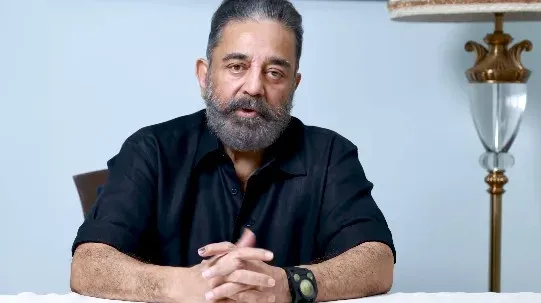
Synopsis
Kamal Haasan has stepped beyond partisan lines, backing PM Modi's energy-saving call while simultaneously demanding a national CMs summit and state VAT cuts on fuel — a rare cross-ideological appeal that frames the West Asia conflict as a domestic economic emergency requiring urgent, coordinated government action.
Key Takeaways
Kamal Haasan posted a four-minute video on X on 22 May urging PM Narendra Modi to convene a summit of all Chief Ministers on the West Asia crisis .
He endorsed PM Modi's fuel-conservation appeal, saying 'national responsibility must rise above politics.' Haasan proposed reducing VAT on petrol and diesel and cutting metro and train fares to ease inflation.
He noted that around 60 countries have already enacted energy-saving measures following the conflict.
Haasan invoked the 1962 and 1965 wars to argue that collective sacrifice and government accountability must go hand in hand.
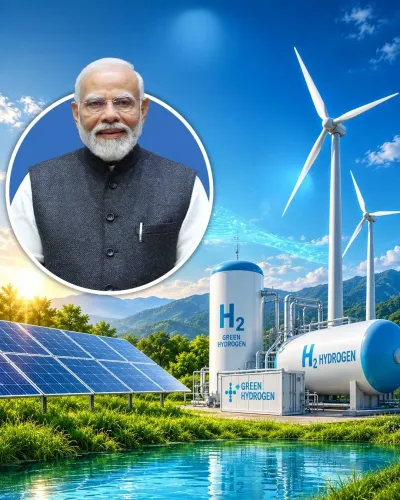
He praised India's growth in solar and wind energy , calling renewable and nuclear power essential to reducing import dependence.
Actor-politician Kamal Haasan has called on Prime Minister Narendra Modi to convene a national summit of all Chief Ministers to develop a coordinated response mechanism shielding ordinary Indians from the economic fallout of the ongoing US-Israel-Iran conflict. Haasan made the appeal in a four-minute video message posted on X on 22 May, expressing alarm over the conflict's cascading impact on India's households and economy.
Key Demands
Haasan proposed two immediate relief measures to ease inflationary pressure on citizens. First, he called for a reduction in state-level taxes such as VAT on petrol and diesel. Second, he urged cuts to metro and train fares to incentivise a shift away from private vehicles and reduce fuel consumption.
'Sacrifice cannot be expected from citizens alone. Governments should also share the burden,' he said in the video.
Backing PM Modi's Energy-Saving Appeal
Haasan also endorsed Prime Minister Modi's recent appeal for fuel conservation, stating that 'national responsibility must rise above politics' in times of crisis. He noted that approximately 60 countries have already imposed energy-saving measures in response to the conflict, and that rising oil and fertiliser prices were directly hitting Indian kitchens and homes.
Invoking former Prime Minister Atal Bihari Vajpayee's 1996 parliamentary remark — 'Governments will come and go, but the nation shall remain' — Haasan framed his appeal as a call for cross-party national unity.
Historical Parallels
Drawing on India's past responses to national emergencies, Haasan referenced the 1962 war with China, when citizens donated gold to support soldiers, and the 1965 war with Pakistan, when former Prime Minister Lal Bahadur Shastri appealed to citizens to skip one meal a week to address food shortages.
'Today India does not need such sacrifices. Surely, we must do this for our country during a crisis when our parents did much more in the past during grave challenges faced by India,' he said.
Renewable Energy and the Road Ahead
Haasan praised the expansion of India's solar and wind energy capacity over the past decade under the Modi government, stressing that renewable and nuclear energy were critical to reducing the country's dependence on imported oil and gas. He warned that the geopolitical crisis would affect both the wealthy and the poor, but added: 'If we face this crisis together, India will and can emerge stronger.'
With global energy markets remaining volatile amid the West Asia conflict, the pressure on the Centre and state governments to coordinate a unified response is likely to intensify in the weeks ahead.
Point of View
Many of them non-BJP, have so far been absent from the national energy-response conversation. Whether the Centre treats this as a genuine coalition-building opportunity or a political footnote will say much about how seriously it is taking coordinated crisis governance.
NationPress
19 Sept 2026
Frequently Asked Questions
What has Kamal Haasan urged PM Modi to do regarding the West Asia crisis?
Kamal Haasan has urged Prime Minister Narendra Modi to convene a national summit of all Chief Ministers to develop a coordinated mechanism to protect Indian citizens from the economic fallout of the ongoing US-Israel-Iran conflict. He made the appeal in a four-minute video posted on X on 22 May.
What specific relief measures did Kamal Haasan propose?
Haasan proposed two immediate measures: reducing state-level taxes such as VAT on petrol and diesel, and cutting metro and train fares to encourage a shift away from private vehicles. He argued that governments must share the burden of sacrifice alongside citizens.
Why did Kamal Haasan back PM Modi's energy-saving appeal?
Haasan endorsed Modi's fuel-conservation call, stating that national responsibility must rise above politics during a crisis. He noted that around 60 countries have already imposed energy-saving measures following the conflict, and that rising oil and fertiliser prices are directly affecting Indian households.
What historical examples did Kamal Haasan cite in his appeal?
Haasan referenced the 1962 war with China, when citizens donated gold to support soldiers, and the 1965 war with Pakistan, when PM Lal Bahadur Shastri asked citizens to skip one meal a week. He used these examples to argue that collective sacrifice has always been part of India's response to national crises.
What did Kamal Haasan say about renewable energy?
Haasan praised the significant growth of India's solar and wind energy capacity over the past decade and stressed that renewable and nuclear energy are vital to reducing the country's dependence on imported oil and gas, particularly in the context of the current geopolitical crisis.