Karnataka Government Assures No Auto LPG Shortage; Drivers Urged to Stay Calm
Synopsis
In light of recent concerns, the Karnataka government reassures residents that there is no shortage of auto LPG. They emphasize adequate supply and urge drivers not to panic amidst circulating rumors.
Key Takeaways
The Karnataka government confirms no LPG shortage .
Drivers are urged to stay calm and avoid panic.
Daily LPG supply figures show stability.
New guidelines prioritize LPG for key industrial sectors.
The government is monitoring the supply situation closely.
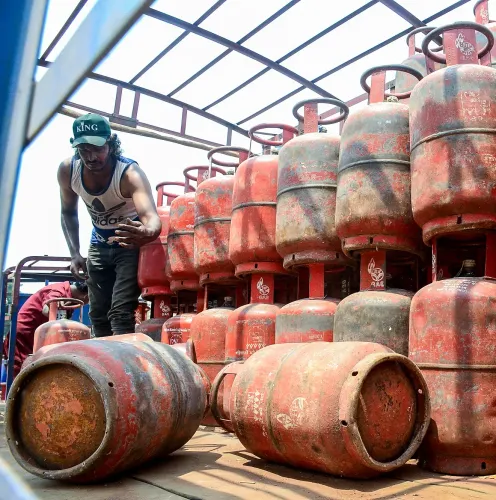
Bengaluru, April 8 (NationPress) The Karnataka government has officially stated that there is no auto LPG shortage in the state. Authorities have urged auto owners and drivers to remain calm and not fall prey to circulating rumors, assuring them that the supply is sufficient.
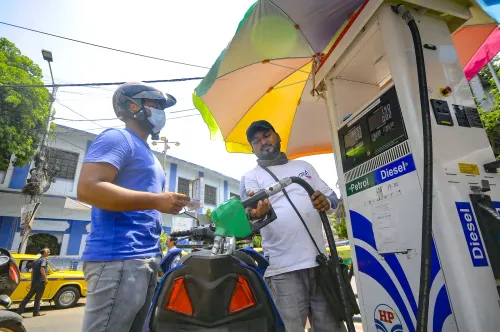
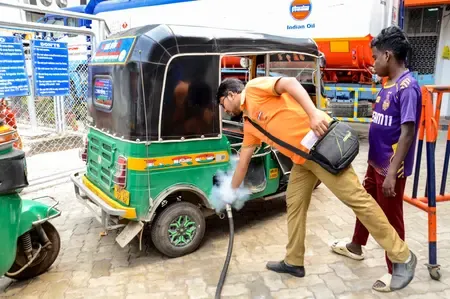
In a statement from the Food, Civil Supplies and Consumers' Affairs department, it was noted that auto drivers across Karnataka have faced challenges due to inconsistent gas availability, with many spending excessive time at fuel stations, thus impacting their daily income. This situation has contributed to rising anxiety among drivers, exacerbated by widespread rumors of a supply crisis. The government is aware of these developments and is actively monitoring them.
In response to these concerns, the Karnataka government issued a media statement confirming that while there have been some fluctuations in supply from a handful of private auto gas suppliers, an actual shortage does not exist. Oil marketing companies, including IOCL, BPCL, and HPCL, are committed to ensuring a steady supply.
During the period from April 2 to April 6, the daily auto LPG supply varied between 83 and 94 metric tonnes (MT). The peak was recorded at 94.11 MT on April 5.
The breakdown of daily supply figures shows 87.78 MT on April 2, 86.05 MT on April 3, 84.90 MT on April 4, 94.11 MT on April 5, and 83.58 MT on April 6. The average daily supply to retail points stands at 83.58 MT.
The government assured that it is diligently monitoring the supply chain and will implement necessary measures if needed. It also advised drivers against forming long queues at fuel stations.
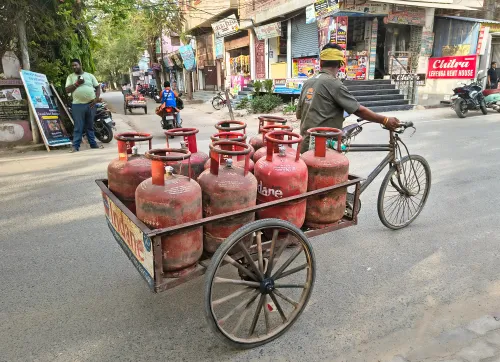
In a related development, the Centre has released new guidelines regarding LPG distribution to the industrial sector. Dr. Neeraj Mittal, Secretary of Petroleum and Natural Gas, communicated with Chief Secretaries of all states and Union Territories about the updated framework.
According to these guidelines, 70% of LPG allocation will be designated for various industrial sectors, with an extra 10% for states that have adopted PNG reforms. Priority will be given to essential sectors such as pharmaceuticals, food, and agriculture, as well as to facilities unable to transition to natural gas.
Additionally, the guidelines impose a cap of 0.2 TMT per day for large LPG consumers and require PNG registration for city gas distribution networks.
Industries such as packaging, paint, steel, and ceramics are anticipated to gain from this revised allocation strategy, which will be aligned with market demand. Fuel quotas for industries will be based on consumption data from March 2026.
Point of View
The Karnataka government's proactive communication about the LPG supply situation underscores the importance of addressing public concerns head-on. By assuring drivers and auto owners of adequate supply, the government aims to prevent panic and maintain stability in the transportation sector.
NationPress
21 Oct 2026
Frequently Asked Questions
Is there a shortage of auto LPG in Karnataka?
No, the Karnataka government has confirmed that there is no shortage of auto LPG in the state.
What should drivers do amid rumors of supply issues?
Drivers are advised to remain calm and not panic, as the government assures sufficient supply.
What measures is the government taking regarding LPG supply?
The government is actively monitoring the supply situation and will take necessary actions if required.
What are the new LPG allocation guidelines?
The new guidelines allocate 70% of LPG to industrial sectors, with additional provisions for states implementing PNG reforms.
How much LPG was supplied daily from April 2 to April 6?
Daily LPG supply ranged from 83 to 94 metric tonnes during that period.