CM Karnataka Warns Officials: Phone Use in Meetings Means Suspension

Synopsis
The Chief Minister's Office of Karnataka publicly warned state officials on 9 July 2026 that any officer found using a mobile phone during an official meeting will be suspended the same evening, framing bureaucratic negligence as a betrayal of the public.
Key Takeaways
The Chief Minister's Office of Karnataka issued the warning on 9 July 2026 via the official @CMofKarnataka account.
Any official found speaking on a mobile phone during a meeting will receive a suspension order by the end of that meeting .
The CM distinguished elected politicians — who face voters every five years — from officials who hold their posts without electoral accountability.
Bureaucratic negligence was characterised as a betrayal of the people , not merely a procedural lapse.
The warning is grounded in the All India Services (Conduct) Rules, 1968 , which already require devotion to duty.
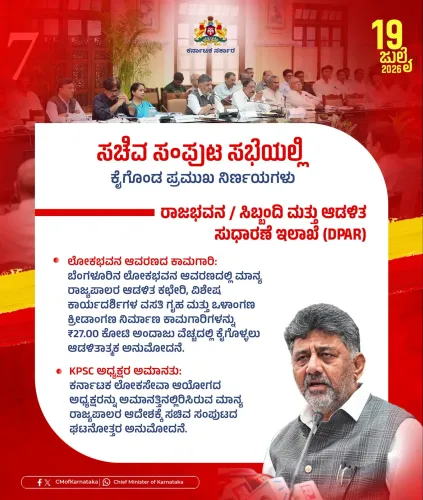
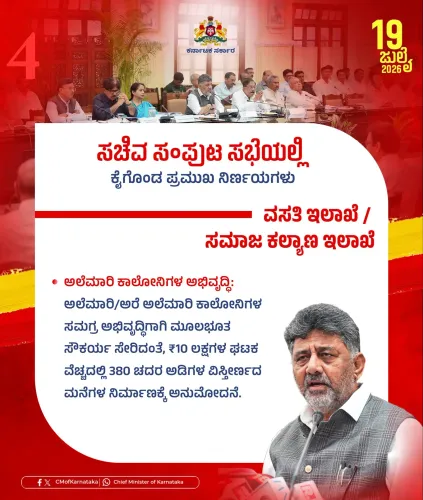
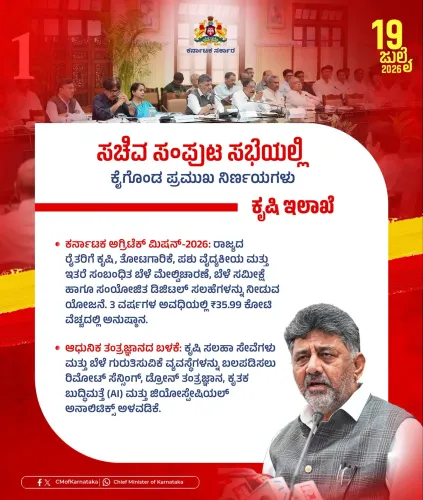
The post was part of a nine-part thread , suggesting a broader set of governance directives issued at the same meeting.
The Chief Minister's Office of Karnataka on Thursday, 9 July 2026, issued a sharp public warning to state government officials, stating that any officer found speaking on a mobile phone during an official meeting will receive a suspension order by the time the meeting concludes.
The post, shared in Kannada as part of a thread, carried a direct message from the Chief Minister to the bureaucracy: 'ಸಭೆಯ ನಡುವೆ ಯಾವುದೇ ಅಧಿಕಾರಿ ಮೊಬೈಲ್ ನಲ್ಲಿ ಮಾತಾಡುವುದು ಕಂಡು ಬಂದರೆ ಸಂಜೆ ಮೀಟಿಂಗ್ ಮುಗಿಯುವ ವೇಳೆಗೆ ನಿಮ್ಮ ಅಮಾನತ್ತು ಆದೇಶ ಬರುತ್ತದೆ' — 'If any official is found speaking on a mobile phone during a meeting, your suspension order will arrive by the time the evening meeting ends.'
Context
The statement was posted as part two of a nine-part thread from the official @CMofKarnataka account, signalling that the remarks were made during or in reference to an official government meeting. The Chief Minister drew a pointed distinction between elected representatives and the permanent bureaucracy, noting that politicians must seek a public mandate every five years, while officials do not face that accountability at the ballot box.
The warning was framed not merely as a disciplinary measure but as a moral argument: 'ಅಧಿಕಾರಿಗಳು ಮೈ ಮರೆತರೆ, ಕರ್ತವ್ಯ ಮರೆತರೆ ಅದು ಜನತೆಗೆ ಬಗೆಯುವ ದ್ರೋಹವಾಗುತ್ತದೆ' — 'If officials become negligent and forget their duty, it amounts to a betrayal of the people.'
Policy Backdrop
The All India Services (Conduct) Rules, 1968 already mandate that government servants maintain absolute integrity and devotion to duty. The Chief Minister's public warning reinforces these existing obligations by attaching an immediate, named consequence — suspension — to a specific, observable act of inattention.
Indian state governments have periodically issued similar directives to their administrative machinery, particularly when elected governments seek to signal responsiveness to public expectations. Such warnings are intended to align bureaucratic behaviour with the mandate that the ruling dispensation carries from voters.
Stakeholders and Impact
State government officials, including IAS officers and other members of the Karnataka civil services, are the direct audience for this directive. The warning applies to conduct within official meetings, a setting where undivided attention is considered a basic professional standard.
For citizens, the Chief Minister framed effective official conduct as the mechanism through which public expectations of the government are fulfilled: 'ಅಧಿಕಾರಿ ವರ್ಗ ತಮ್ಮ ಹೊಣೆಗಾರಿಕೆಯನ್ನು ಪರಿಣಾಮಕಾರಿಯಾಗಿ ನಿರ್ವಹಿಸಿದರೆ ಸರ್ಕಾರದ ಮೇಲೆ ಜನತೆ ಇಟ್ಟಿರುವ ನಿರೀಕ್ಷೆ ಈಡೇರಿದಂತಾಗುತ್ತದೆ' — 'If the official class effectively discharges its responsibilities, the expectations that the public has placed on the government will be met.'
What's Next
The nine-part thread suggests that the 9 July 2026 meeting covered a wide range of governance directives beyond this specific warning. Observers will watch whether the Karnataka government follows through with formal orders codifying conduct rules for official meetings, or whether any suspension orders are actually issued in the near term.
The public nature of this warning — broadcast from the Chief Minister's official account — raises the stakes for enforcement, as any visible lapse would undermine the credibility of the directive itself.
Point of View
Rather than through an internal circular, is a deliberate political signal — it simultaneously disciplines the bureaucracy and reassures voters that the government is serious about service delivery. By invoking the five-year electoral mandate as the moral foundation for bureaucratic accountability, the CM frames official negligence as a democratic failure, not just an administrative one. This approach fits a broader pattern across Indian states where elected governments use visible, sharp warnings to project administrative authority, especially mid-term when delivery pressure peaks. Whether the warning translates into actual enforcement actions will determine its long-term credibility with both officials and the public.
NationPress
8 Oct 2026
Frequently Asked Questions
What did the Karnataka CM say about officials using phones in meetings?
The Karnataka Chief Minister warned that any official found speaking on a mobile phone during an official meeting will receive a suspension order before that meeting concludes.
Why did the Karnataka CM issue this warning to bureaucrats?
The CM argued that officials, unlike politicians, do not face electoral accountability, making it even more important that they discharge their duties diligently — failing to do so amounts to a betrayal of the public.
Can a Karnataka government official be suspended for using a phone in a meeting?
According to the Chief Minister's public warning issued on 9 July 2026, yes — the CM stated suspension orders would be issued the same evening if such conduct is observed.
What rules govern the conduct of IAS and state officials in Karnataka?
The All India Services (Conduct) Rules, 1968 require government servants to maintain absolute integrity and devotion to duty, forming the regulatory basis for disciplinary action against errant officials.
What does the Karnataka CM's bureaucracy warning mean for governance?
The warning signals that the Karnataka government intends to enforce stricter conduct standards in official meetings, with the stated goal of ensuring that public expectations of the government are met through effective administration.