Karnataka CM Shivakumar Pushes Centre on Mekedatu, Bhadra Projects
Synopsis
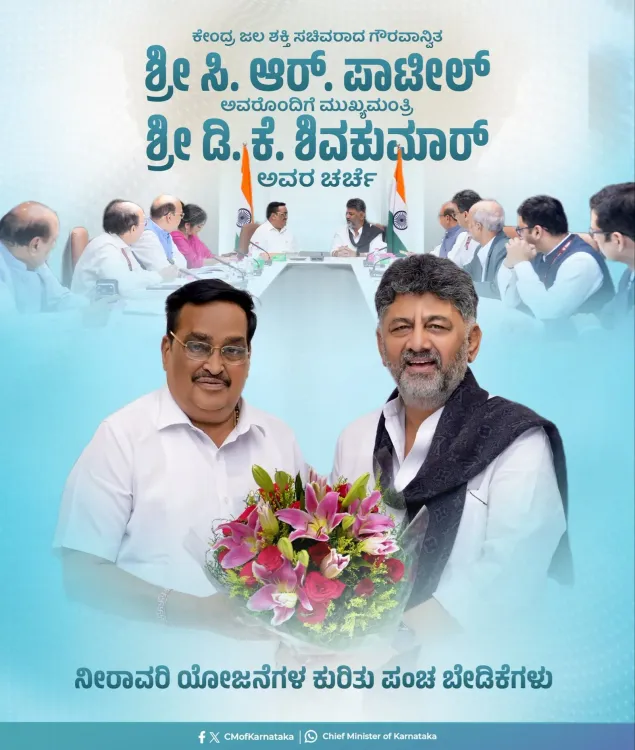
Karnataka Chief Minister D.K. Shivakumar met Union Jal Shakti Minister C.R. Patil on 29 September 2026, demanding swift central approval, grants, and a fair water share for the Mekedatu and Bhadra Upper Dam projects — reigniting a decades-long federal water-rights contest.
Key Takeaways
Shivakumar met Union Jal Shakti Minister C.R.
Patil in New Delhi on 29 September 2026 .
The state demanded fast-track approval and central grants for the Mekedatu balancing reservoir on the Cauvery river and the Bhadra Upper Dam irrigation project.
Shivakumar also pressed for Karnataka's 'rightful share' of river water — framing the demand as an equity issue.
Mekedatu has faced sustained objections from Tamil Nadu over downstream Cauvery water rights, complicating central clearances for over a decade.
The Cauvery Water Management Authority , formed after a 2018 Supreme Court order , oversees inter-state water compliance and would be a key stakeholder in any project approval.
The Ministry of Jal Shakti's formal response will determine whether the meeting produces concrete movement or adds to a long record of state representations.
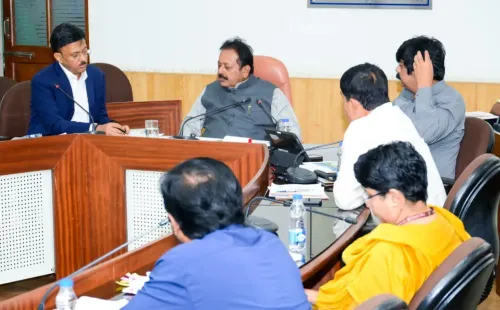
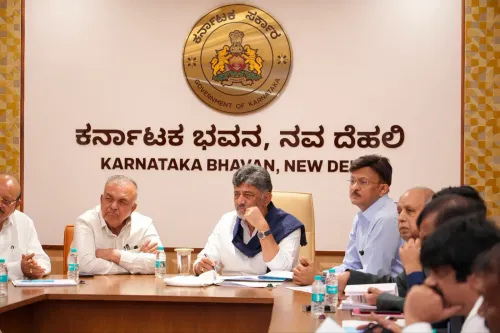
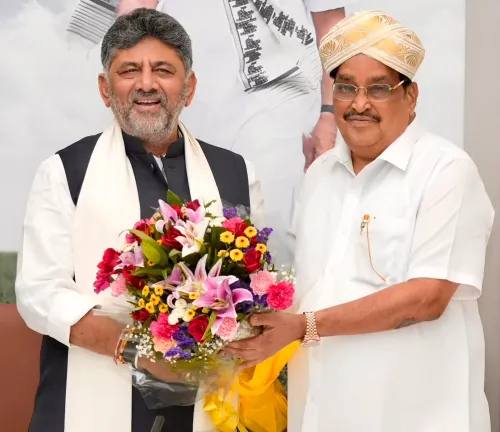
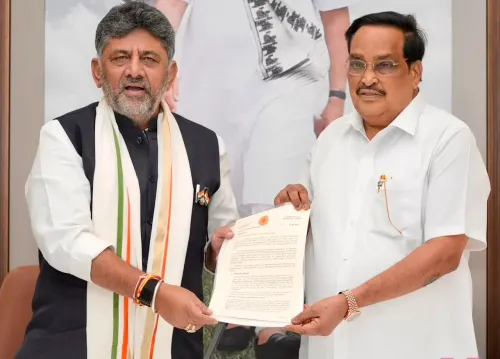
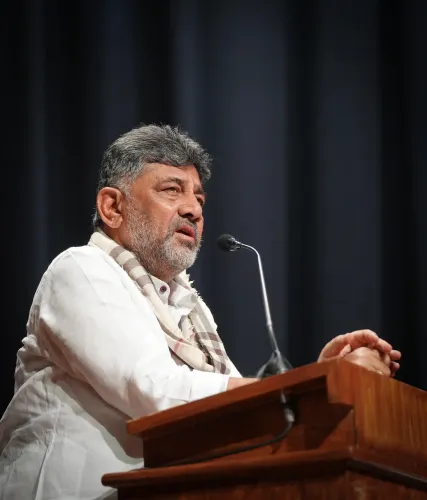
Two of Karnataka's most contested water projects landed on the Union government's desk on Tuesday, 29 September 2026, when Karnataka Chief Minister D.K. Shivakumar met Union Jal Shakti Minister C.R. Patil in New Delhi and pressed for swift clearances, adequate grants, and a fair water share for the state.
The Chief Minister's Office of Karnataka confirmed the meeting on X, stating that Shivakumar presented the state's 'major water demands' — centering on the Mekedatu project on the Cauvery river and the Bhadra Upper Dam irrigation scheme — and urged the Ministry to fast-track approvals and release necessary funding.
What Shivakumar asked for — and why it matters
The demands were threefold: rapid central approval for the named projects, financial grants commensurate with project scale, and Karnataka's 'rightful share' of river water. The framing — nyāyayuta nīrina pālu ('just share of water') — signals that the state views this as a question of equity, not just infrastructure funding.
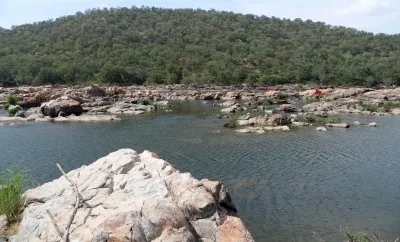
The Mekedatu project, a proposed balancing reservoir at the confluence of the Cauvery and Arkavathi rivers near Kanakapura, has been on Karnataka's agenda since the early 2010s. Proponents argue it would secure drinking water for Bengaluru and provide additional irrigation capacity. The project has faced persistent objections from Tamil Nadu, which argues any new structure upstream would affect its constitutionally allocated share of Cauvery waters.
The Bhadra Upper Dam project targets improved water storage and irrigation coverage in the Bhadra basin in central Karnataka — a region where agriculture remains heavily dependent on monsoon variability and reservoir levels.
A federal fault line decades in the making
Interstate river-water sharing is among the most durable pressure points in Indian federal politics. The Cauvery Water Disputes Tribunal, constituted in 1990, delivered its final award in 1991 allocating shares among Karnataka, Tamil Nadu, Kerala, and Puducherry. A Supreme Court order in 2018 modified those allocations and directed the formation of the Cauvery Water Management Authority to oversee compliance — but the underlying tensions between upstream and downstream states have never fully resolved.
Karnataka governments, regardless of party, have repeatedly sought central clearances and PMKSY funding for Mekedatu over successive administrations. The project's fate has been shaped as much by inter-state diplomacy and judicial oversight as by engineering or finance. Each fresh push to New Delhi is therefore both a technical ask and a political signal to voters in the Cauvery basin.
The Jal Shakti Ministry's pivotal role
Central Ministry clearances are non-negotiable for projects of this scale — environmental, inter-state, and financial approvals all route through Union channels. The Ministry of Jal Shakti controls the funding tap under national irrigation schemes and coordinates with the Cauvery Water Management Authority on any new upstream infrastructure. Any green light from Minister C.R. Patil would mark a significant shift; any delay continues a pattern that Karnataka has long described as neglect of its water rights.
Whether Tuesday's meeting produces formal movement — or becomes another entry in a long log of state representations — will be answered by what emerges from Krishi Bhavan in the weeks ahead.
Point of View
' the Congress-led state government positions itself as the defender of Karnataka's water rights against a BJP-led Centre, lending the meeting a partisan edge even as it plays out as routine federal business. The Bhadra project inclusion broadens the geographic appeal of the demand beyond the politically charged Cauvery corridor. The Ministry's response — or silence — will be read as a signal not just on infrastructure, but on Centre-state relations in southern India.
NationPress
29 Sept 2026
Frequently Asked Questions
What is the Mekedatu project and why is it controversial?
The Mekedatu project is a proposed balancing reservoir on the Cauvery river in Karnataka, intended to secure drinking water for Bengaluru and boost irrigation. It is controversial because Tamil Nadu argues that any new upstream structure would reduce its constitutionally allocated share of Cauvery waters.
What did Karnataka CM Shivakumar demand from the Jal Shakti Ministry?
Chief Minister D.K. Shivakumar demanded fast-track central approval for the Mekedatu and Bhadra Upper Dam projects, release of necessary grants, and Karnataka's fair share of river water.
What is the Bhadra Upper Dam project?
The Bhadra Upper Dam is an irrigation and water storage project in Karnataka's Bhadra basin aimed at improving water availability for farming communities that depend heavily on monsoon conditions and reservoir levels.
What is the Cauvery Water Management Authority?
The Cauvery Water Management Authority was formed following a 2018 Supreme Court order to oversee compliance with the court-modified Cauvery water allocation among Karnataka, Tamil Nadu, Kerala, and Puducherry.
Why does Karnataka need central clearance for these water projects?
Projects of this scale require environmental, inter-state, and financial approvals that route through Union government channels, including the Ministry of Jal Shakti, which also controls funding under national irrigation schemes such as PMKSY.